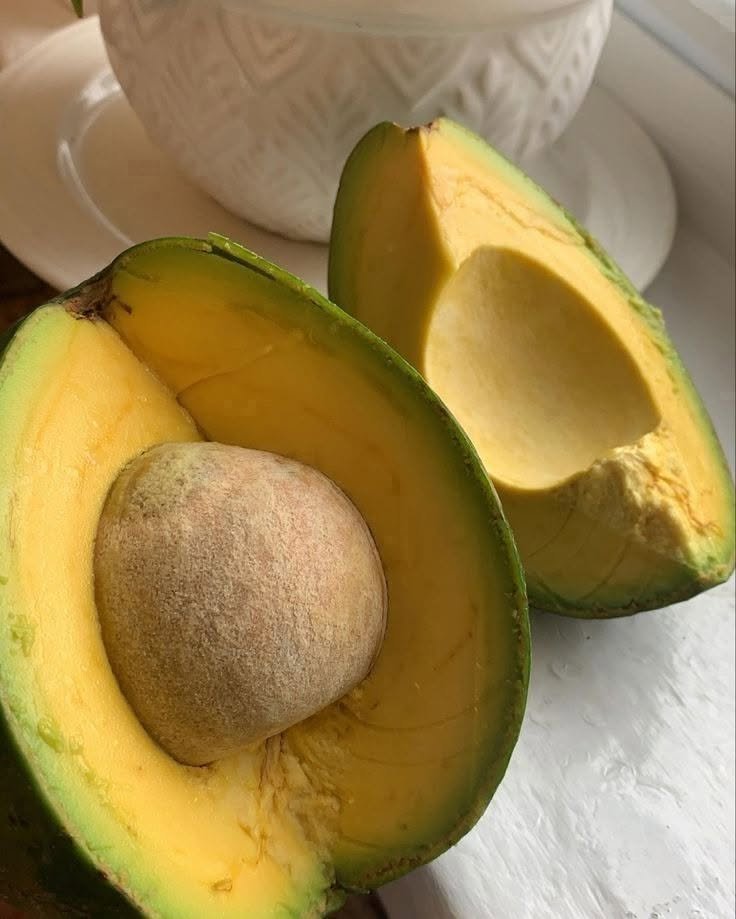
Doctors Reveal What Eating Avocados Can Do for Your Body
Avocados have become one of the most popular foods for people looking to improve their diet. Their creamy texture makes them easy to add to salads, sandwiches, toast, smoothies, and many other meals.
But viral posts often make dramatic claims about avocados, suggesting that eating them can cause everything from rapid weight loss to dramatic changes in cholesterol, hormones, or blood pressure.
The truth is more interesting.
Avocados are genuinely nutrient-rich foods. They contain healthy unsaturated fats, fiber, potassium, folate, and several other nutrients. Eating them regularly can be a useful part of a balanced diet, although an avocado is not a miracle food and its effects depend on the rest of your diet and lifestyle.
Here are some of the ways eating avocado may affect your body.
1. Avocados Can Support Heart Health
One of the most notable characteristics of avocados is their fat content.
Unlike foods dominated by saturated fats, avocados are particularly rich in monounsaturated fat. Replacing some saturated fats in the diet with unsaturated fats can help support healthier blood cholesterol levels.
Avocados also provide fiber and potassium, two nutrients that are important components of a heart-healthy eating pattern.
This doesn’t mean that eating an avocado automatically prevents heart disease.
Overall dietary patterns, physical activity, blood pressure, cholesterol, smoking, genetics, sleep, and many other factors all influence cardiovascular health.
But incorporating avocado into a balanced diet can be one way to increase the intake of beneficial unsaturated fats.
2. They Can Help You Feel Full
Avocados contain both fat and dietary fiber.
Both can contribute to satiety, meaning they may help you feel satisfied after eating.
This can be useful when avocado replaces foods that provide fewer nutrients or when it is incorporated into a balanced meal.
For example, adding avocado to a meal containing vegetables, beans, eggs, fish, or whole grains can create a combination of fiber, protein, and healthy fats that is more satisfying than a meal consisting mainly of refined carbohydrates.
However, there is an important detail:
Avocados are nutritious, but they are also relatively calorie-dense.
Eating large amounts simply because a food is “healthy” can still increase overall calorie intake.
3. Avocados Provide Plenty of Fiber
Fiber is essential for normal digestive health.
It helps support regular bowel movements and contributes to a healthy gut environment.
Eating enough fiber can also help with feelings of fullness and can contribute to healthier blood glucose and cholesterol patterns.
Avocados are therefore a useful way to increase fiber intake.
If your diet is currently low in fiber, however, suddenly eating very large quantities may cause temporary bloating or gas.
Increasing fiber gradually and drinking enough fluids can make the transition easier.
4. They Contain Potassium
Many people associate potassium with bananas, but avocados are also a good source.
Potassium is an essential mineral involved in several important functions, including normal nerve signaling, muscle contraction, and fluid balance.
Adequate potassium intake is also associated with healthy blood pressure in the context of an overall healthy diet.
That doesn’t mean avocado should be used as a treatment for high blood pressure.
People with kidney disease or certain medical conditions may need to monitor their potassium intake, so dietary changes should be discussed with a healthcare professional when appropriate.
5. Avocados Can Support Eye Health
Avocados contain carotenoid compounds, including lutein and zeaxanthin.
These naturally occurring plant compounds are concentrated in tissues of the eye and are associated with eye health.
Avocados also contain fat, which is useful because dietary fat can help the body absorb fat-soluble nutrients and carotenoids from foods.
Eating avocado alongside colorful vegetables can therefore be a practical way to create a nutrient-rich meal.
But once again, no single food can guarantee perfect eyesight or prevent every eye condition.