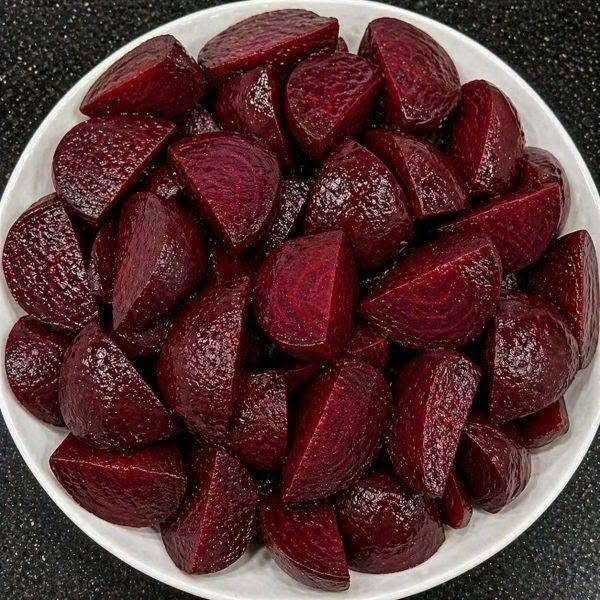
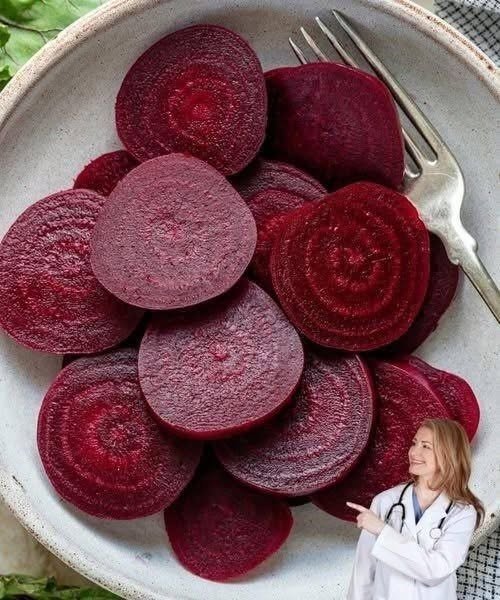
Beets are among the most colorful and nutritious vegetables you can add to your diet. Recognized by their deep red and purple color, these root vegetables have been enjoyed for centuries in salads, soups, juices, and traditional dishes around the world.
But what actually happens to your body when you eat beets regularly?
These naturally sweet vegetables contain important nutrients, dietary fiber, antioxidants, and plant compounds that may support several aspects of health. Research has particularly focused on their potential effects on blood pressure, circulation, physical performance, digestion, and overall cardiovascular health.
Despite their impressive nutritional profile, beets are not a miracle food. They cannot cure diseases, replace medication, or guarantee protection against health problems. Their benefits are best understood as part of a balanced and varied diet.
Here are 10 interesting things that may happen when you include beets in your regular meals, along with some important precautions to know.
1. Beets May Help Support Healthy Blood Pressure
One of the most widely studied benefits of beets is their potential effect on blood pressure.
Beets naturally contain nitrates, which are converted by the body into nitrites and eventually nitric oxide.
Nitric oxide is a molecule that helps blood vessels relax and widen. This process, known as vasodilation, can improve blood flow and influence blood pressure.
Some clinical studies have found that consuming beetroot juice can produce modest reductions in blood pressure, particularly systolic blood pressure.
This is one reason researchers continue investigating beets as part of dietary approaches to cardiovascular health.
However, the effect varies between individuals, and eating beets does not replace prescribed blood pressure medication.
People with hypertension should continue following their healthcare professional’s recommendations.
2. They Contain Powerful Antioxidants
The beautiful deep-red color of beets comes largely from natural pigments called betalains.
These plant compounds have attracted scientific attention because of their antioxidant properties.
Antioxidants help protect cells against oxidative stress, which occurs when unstable molecules called free radicals accumulate in the body.
Oxidative stress is associated with several processes involved in aging and chronic disease.
Beets also contain vitamin C and other beneficial plant compounds that contribute to their nutritional value.
Including colorful vegetables such as beets in your diet is a simple
way to increase your intake of naturally occurring antioxidants.
Different vegetables contain different combinations of protective plant compounds, so eating a variety of colors is generally more beneficial than relying on one particular food.