Which Egg Came From the Healthiest Chicken? The Truth About Egg Yolk Color
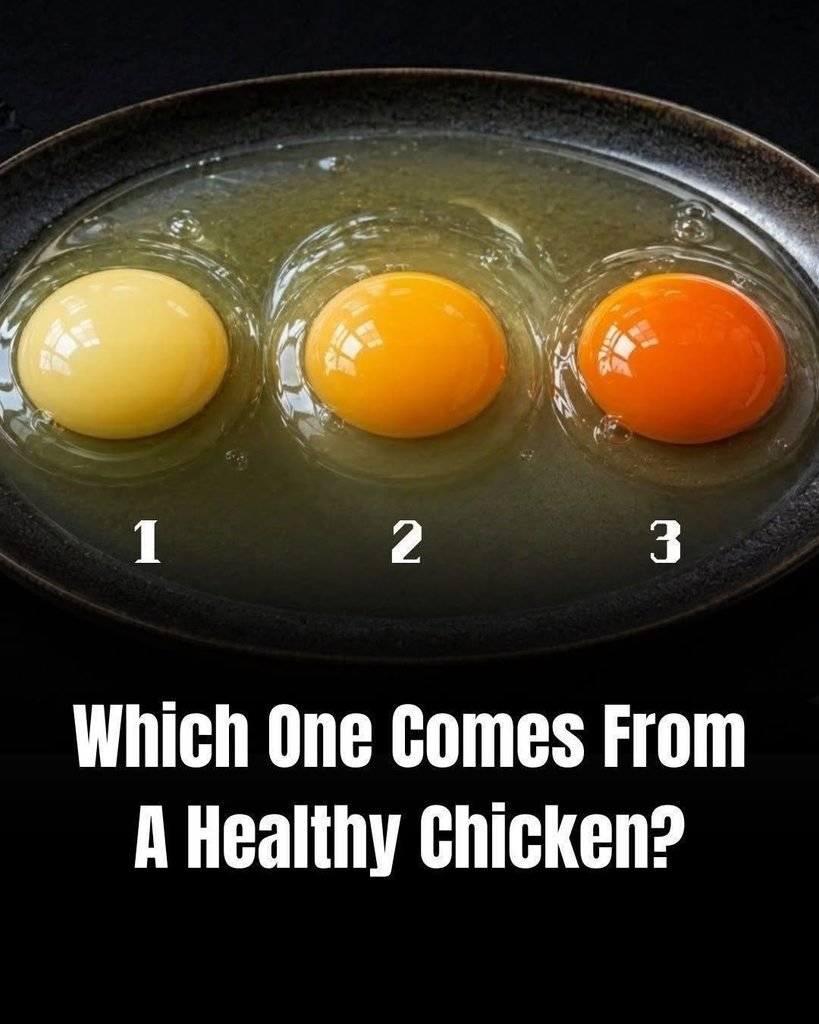
The three eggs in the image look noticeably different. One has a pale yellow yolk, another has a deeper golden color, and the third has a striking orange yolk.
This often leads to a popular question:
Which egg came from the healthiest chicken?
The answer may surprise you: you cannot reliably determine the health of the chicken simply by looking at the color of the yolk.
A darker orange yolk can look more nutritious, while a pale yellow yolk can look less impressive, but yolk color is primarily influenced by what the hen eats and by other factors related to the egg—not simply by whether the chicken is healthier.
This is an important distinction because egg yolk color has become the subject of many misleading claims online.
Does a Dark Orange Yolk Mean a Healthier Chicken?
Not necessarily.
The color of an egg yolk is strongly influenced by pigments called carotenoids that are present in the hen’s diet.
Carotenoids are naturally occurring plant pigments found in foods such as:
Corn
Marigold petals
Alfalfa
Green leafy plants
Certain vegetables
Other plants containing yellow, orange, and red pigments
When a hen consumes feed containing more of these pigments, some of them can be deposited into the egg yolk.
The result can be a more intense yellow, golden, or orange color.
Therefore, an orange yolk doesn’t automatically mean that the chicken was healthier than the chicken that produced a pale-yellow yolk.
It may simply have eaten a different diet.
What Determines Egg Yolk Color?
Several factors can influence yolk color.
1. The Hen’s Diet
Diet is one of the biggest influences.
A hen consuming feed rich in carotenoid pigments may produce eggs with darker-colored yolks.
For example, certain plant ingredients can make yolks more intensely colored.
A hen eating a different feed may produce a much paler yolk while still being perfectly healthy.
This is why yolk color can vary considerably between eggs from different farms or even between different groups of hens.
2. The Type of Feed
Commercial poultry feed is carefully formulated to provide chickens with the nutrients they need.
The specific ingredients used in the feed can influence yolk pigmentation.
Some feeds naturally contain more pigments than others.
Producers can also use permitted feed ingredients that influence yolk color.
This means a particularly orange yolk doesn’t necessarily tell you that the chicken was eating a completely natural or superior diet.
It tells you that the egg contains more of certain pigments that influence color.
3. The Individual Hen
Different hens can produce eggs with somewhat different yolk characteristics.
Genetics, age, health, and individual variation can influence egg production and egg characteristics.
Two hens receiving similar feed may not necessarily produce eggs that look exactly the same.
4. Seasonal Factors
When hens have access to outdoor vegetation, seasonal changes can sometimes influence the pigments they consume.
A hen that has access to green plants and other natural foods may produce yolks with different coloration depending on what she eats.
However, outdoor access by itself does not guarantee a particular yolk color.
What About the Three Eggs in the Picture?
The three yolks shown in the image are clearly different in color.
Egg number one has a pale yellow yolk.
Egg number two has a deeper golden-orange yolk.
Egg number three has an even more intense orange appearance.
It would be tempting to say that number three must have come from the healthiest chicken.
But the photograph alone cannot establish that.
The color primarily tells us something about the pigments present in the yolk.
It does not provide a reliable health report about the hen.
The chicken that produced the pale yolk could be perfectly healthy, while the chicken that produced the orange yolk could have a completely different diet.
Likewise, a darker yolk doesn’t automatically mean the egg contains dramatically more protein, more omega-3 fats, or more vitamins.
Those nutritional differences depend on the hen’s diet and production system rather than color alone.