Doctors Reveal What Eating Cucumber in Salads Can Actually Do to Your Body
Although many people tolerate cucumber without difficulty, some people may experience bloating, burping, or digestive discomfort after eating it.
Several factors can contribute.
Eating a large amount of any high-water food quickly can make the stomach feel full. Some people may also be sensitive to particular carbohydrates or compounds found in certain vegetables.
The preparation can matter as well.
A cucumber salad containing large quantities of onions, garlic, creamy dressing, beans, or other ingredients may cause digestive symptoms that are incorrectly blamed entirely on the cucumber.
If cucumber consistently causes discomfort, paying attention to portion size and the other foods eaten at the same time can help identify the pattern.
Cucumber Salad Can Be Very Healthy—or Very Different Depending on the Dressing
The cucumber itself is usually a light ingredient.
But a salad can become much more calorie-dense depending on what is added.
For example, a cucumber salad may contain:
Olive oil
Mayonnaise
Cheese
Creamy sauces
Large amounts of salt
Sugary dressings
Processed meats
Fried toppings
These ingredients are not automatically unhealthy, but they can significantly change the nutritional profile of the meal.
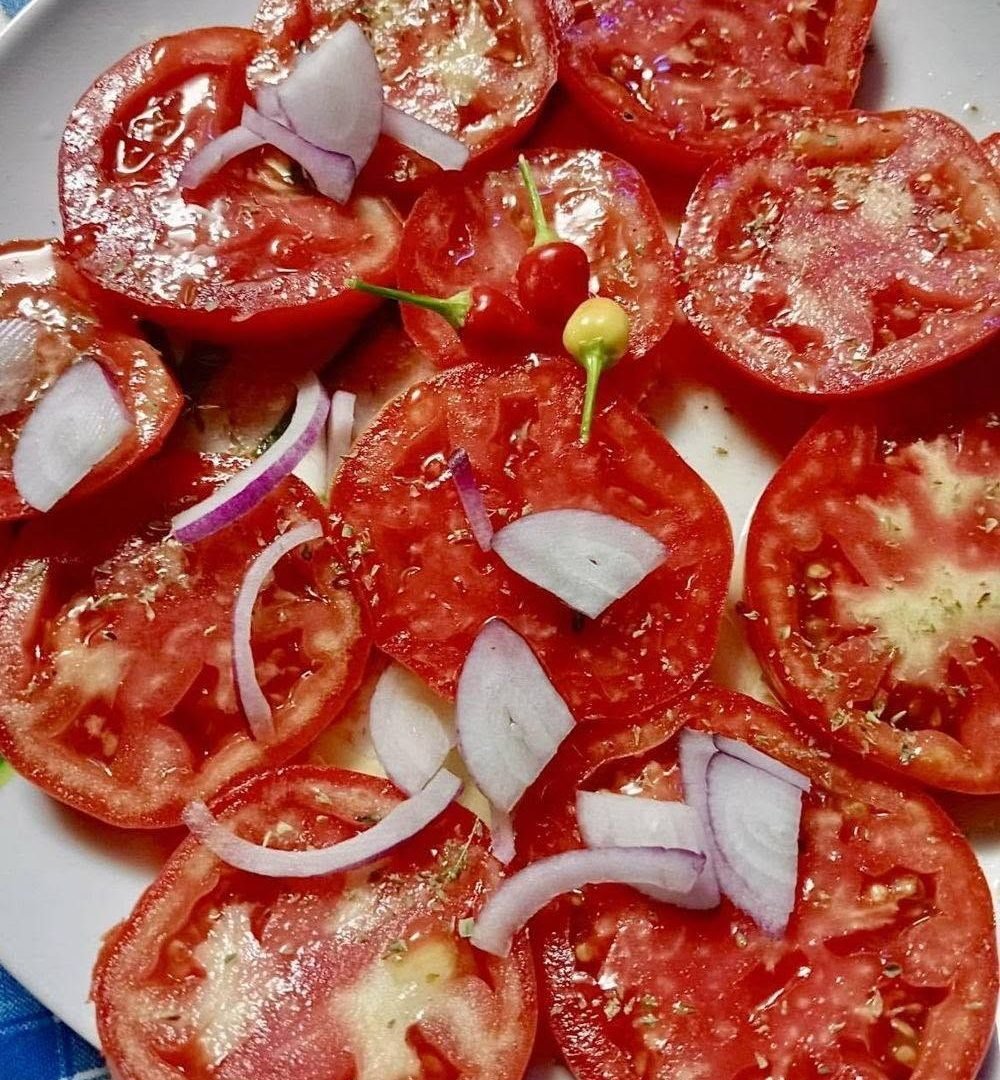
A simple cucumber salad with tomatoes, herbs, lemon juice, a modest amount of olive oil, and other vegetables can be a very different meal from cucumber covered in a heavy creamy dressing.
The entire recipe matters.
What About Cucumber and Blood Sugar?
Cucumber is a relatively low-carbohydrate vegetable and generally has little impact on blood glucose compared with foods rich in added sugars or refined carbohydrates.
That makes it a useful vegetable choice for many people, including people who are trying to manage blood sugar.
However, cucumber should not be presented as a treatment for diabetes.
Eating cucumber does not replace prescribed medication, medical monitoring, physical activity, or an appropriate overall eating pattern.
The ingredients eaten alongside cucumber also matter. A salad containing sweet sauces, large quantities of refined carbohydrates, or other high-carbohydrate foods will have a different nutritional effect.
Cucumber and Blood Pressure
Cucumber contains potassium, a mineral involved in fluid balance and normal blood pressure regulation.
A diet containing adequate potassium from foods can be part of an overall heart-healthy eating pattern.
But eating cucumber does not guarantee lower blood pressure.
People with high blood pressure should consider the entire diet, especially sodium intake, overall dietary quality, physical activity, body weight where appropriate, and prescribed treatment.
People with certain kidney conditions may need to limit potassium, so increasing potassium-rich foods should not be done without considering individual medical advice.
Can Cucumber “Detox” the Body?
The word “detox” is frequently used in social-media health claims, but it can be misleading.
Your liver, kidneys, lungs, digestive system, and other biological processes continuously handle substances the body needs to eliminate.
Cucumber does not perform a special detoxification process that cleans the blood or removes accumulated toxins overnight.
Drinking cucumber water may help some people consume more fluid because they enjoy the taste. That is a perfectly reasonable benefit.
But cucumber water should not be confused with a medical detoxification treatment.
Cucumber and Kidney Health
Because cucumber contains a lot of water, people sometimes claim that it “flushes the kidneys.”
That statement is too simplistic.
Normal hydration supports kidney function, but cucumber does not literally wash the kidneys clean.
People who have kidney disease, kidney stones, or other urinary conditions should follow individualized medical advice rather than relying on a particular vegetable or drink.
Some kidney conditions also require careful management of fluid or potassium intake.
Can Eating Cucumber Prevent Kidney Stones?
Cucumber can contribute to fluid intake, and adequate hydration is important for reducing the risk of certain kidney stones.
But eating cucumber alone cannot guarantee prevention.
Kidney stone prevention depends on the type of stone and individual risk factors. Fluid intake is important, but dietary sodium, calcium, oxalate, uric acid, and other factors can also matter.
Anyone who repeatedly develops kidney stones should discuss prevention strategies with a healthcare professional.
Cucumber and Skin Health
Because cucumber contains water and nutrients, it can be part of a diet that supports general health, including skin health.
However, claims that eating cucumber will eliminate wrinkles, tighten the skin dramatically, or reverse aging are exaggerated.
Healthy skin depends on many factors, including genetics, age, sun exposure, smoking, nutrition, sleep, and skincare.
Eating vegetables regularly is beneficial as part of an overall nutritious diet, but no single vegetable can stop normal aging.
Is Cucumber Better Raw or Cooked?
Cucumber is most commonly eaten raw.
Raw cucumber provides its characteristic crunch and makes an easy addition to salads, sandwiches, wraps, and yogurt-based dishes.
Cooking cucumber is less common but possible.
There is no universal rule saying that raw cucumber is always healthier than cooked cucumber. Different cooking methods can change texture and the amount of certain heat-sensitive nutrients.
For most people, the most important thing is simply including a variety of vegetables in the diet.
A Simple Healthy Cucumber Salad
A basic cucumber salad can be both refreshing and nutritious.
You can combine:
Fresh cucumber
Tomatoes
Red or green onion
Fresh parsley or mint
A small amount of olive oil
Lemon juice
Black pepper
A modest amount of salt
Wash the vegetables thoroughly before preparation.
Slice the cucumber and tomatoes, add the herbs and onion, then season according to taste.
This kind of salad can accompany eggs, fish, chicken, beans, lentils, or other protein-rich foods to create a more balanced meal.
Who Should Be Careful With Cucumber?
For most people, cucumber is safe as part of a normal diet.
However, individual circumstances matter.
Someone with a known food allergy should avoid cucumber if it causes allergic reactions.
People with digestive conditions or food sensitivities may find that large amounts cause discomfort.
People with kidney disease may have individualized recommendations concerning potassium and fluid intake.
And anyone experiencing persistent abdominal pain, severe digestive symptoms, vomiting, or other unexplained symptoms should not assume that cucumber—or any particular food—is the cause without appropriate evaluation.
The Biggest Mistake: Expecting One Food to Transform Your Health
Cucumber is a good example of how a healthy food can become the subject of exaggerated claims.
It is nutritious, hydrating, refreshing, and relatively low in calories.
Those are already useful qualities.
There is no need to claim that it “melts fat,” “cleans your organs,” “removes toxins,” or cures disease.
A healthy diet is built from many foods working together.
Vegetables, fruits, legumes, whole grains, nuts and seeds, and appropriate sources of protein can all contribute different nutrients. Variety is one of the most important principles of good nutrition.
Final Thoughts
Eating cucumber in a salad does not cause a mysterious or dangerous reaction in the body for most people.
Instead, cucumber provides water, a small amount of fiber, several vitamins and minerals, and plant compounds while contributing relatively few calories.
It can support a nutritious eating pattern, help make meals more filling and refreshing, and provide an easy way to increase vegetable intake.
But cucumber is not a miracle cure, detox treatment, or special fat-burning food.
If you enjoy it, there is no reason to avoid cucumber simply because of sensational claims circulating online. Wash it properly, combine it with a variety of other nutritious foods, and pay attention to how your own body responds.
The healthiest approach is not to search for one magical food. It is to build everyday meals around a variety of minimally processed foods and maintain habits that support overall health over the long term.