Doctors Explain What Eating Broccoli Can Cause in Your Body — The Benefits and Possible Side Effects
Broccoli is often described as one of the healthiest vegetables you can eat, but social-media headlines sometimes turn this simple food into something much more dramatic. A headline saying that “doctors reveal that eating broccoli causes…” may make it sound as though broccoli has a hidden dangerous effect.
The reality is much more balanced.
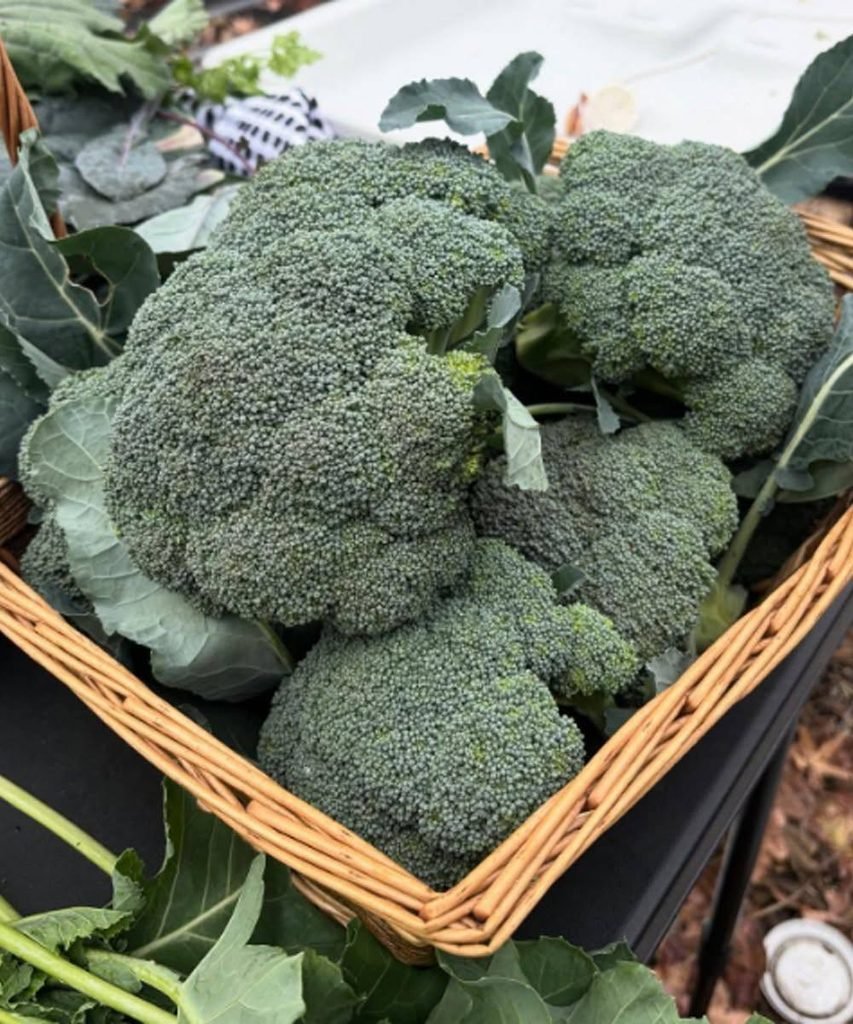
Broccoli is a nutrient-rich cruciferous vegetable that can be part of a healthy diet for most people. It provides fiber, vitamin C, vitamin K, folate, and several plant compounds. At the same time, eating a large amount can cause digestive symptoms in some people, and certain individuals may need to pay attention to how much they consume.
Broccoli is neither a miracle food nor a dangerous vegetable.
What happens after eating it depends on the person’s overall diet, digestive system, medical conditions, medications, and the amount consumed.
1. Broccoli Can Cause Gas and Bloating
One of the most common effects of eating broccoli is increased gas.
This happens because broccoli contains fiber and certain carbohydrates that are not completely digested in the small intestine. When these substances reach the large intestine, bacteria ferment them and produce gases.
As a result, some people may experience:
Bloating
Flatulence
Abdominal rumbling
Mild abdominal discomfort
A feeling of fullness
This doesn’t mean broccoli is harmful.
In many cases, these symptoms simply mean the digestive system is responding to a relatively high-fiber food.
People who aren’t accustomed to eating many vegetables may notice these effects more strongly.
How to reduce the problem
If broccoli regularly makes you uncomfortable, try eating a smaller portion at first.
You can also experiment with cooking it rather than eating a large quantity raw.
Eating slowly and chewing thoroughly may also help.
Instead of suddenly adding a large bowl of broccoli to your diet every day, gradually increase your intake so your digestive system has time to adjust.
2. Broccoli Provides a Significant Amount of Fiber
Fiber is one of broccoli’s most useful nutritional features.
Dietary fiber helps add bulk to stool and supports normal bowel function.
A diet containing adequate fiber can help promote regular bowel movements and may help prevent constipation.
Fiber also contributes to fullness after meals, which can be useful for people trying to manage their overall food intake.
However, increasing fiber too quickly can cause the same digestive symptoms people sometimes blame on broccoli itself.
A sudden increase in vegetables, beans, whole grains, and other high-fiber foods can result in gas and bloating.
The solution isn’t necessarily to avoid fiber.
Instead, increase fiber gradually and drink an appropriate amount of fluid.
3. Broccoli Is Rich in Vitamin C
Broccoli contains vitamin C, an essential nutrient involved in several important functions.
Vitamin C contributes to:
Normal immune function
Collagen production
Wound healing
Protection of cells from oxidative damage
Absorption of iron from plant foods
Eating broccoli therefore contributes to overall nutrient intake.
However, eating broccoli does not make a person immune to infections.
Vitamin C supports normal immune function, but it isn’t a substitute for medical treatment or a guarantee that someone won’t become sick.
A varied diet containing different fruits and vegetables is generally a better approach than relying on one food.
4. It Contains Vitamin K
Broccoli also provides vitamin K.
Vitamin K is important for normal blood clotting and contributes to maintaining healthy bones.
For most people, getting vitamin K from foods such as broccoli is completely normal and beneficial.
However, people taking certain anticoagulant medications, particularly warfarin, may need to maintain a relatively consistent intake of vitamin K rather than making sudden dramatic changes to their diet.
That does not necessarily mean they need to eliminate broccoli.
Instead, dietary changes should be discussed with the healthcare professional managing their medication.
5. Broccoli Contains Powerful Plant Compounds
Broccoli belongs to the cruciferous vegetable family, along with vegetables such as cauliflower, cabbage, Brussels sprouts, kale, and bok choy.
These vegetables contain compounds called glucosinolates.
When broccoli is chopped, chewed, or otherwise damaged, glucosinolates can be converted into several biologically active compounds.
One of the best-known compounds associated with broccoli is sulforaphane.
Researchers have studied these compounds extensively because of their potential biological effects.
Laboratory and observational research has investigated relationships between cruciferous vegetables and various aspects of health.
However, this should not be turned into the claim that broccoli “prevents cancer” or “cures disease.”
Food is much more complicated than a single isolated chemical.
Broccoli can be part of a healthy eating pattern, but it should not replace cancer treatment, medication, or medical care.