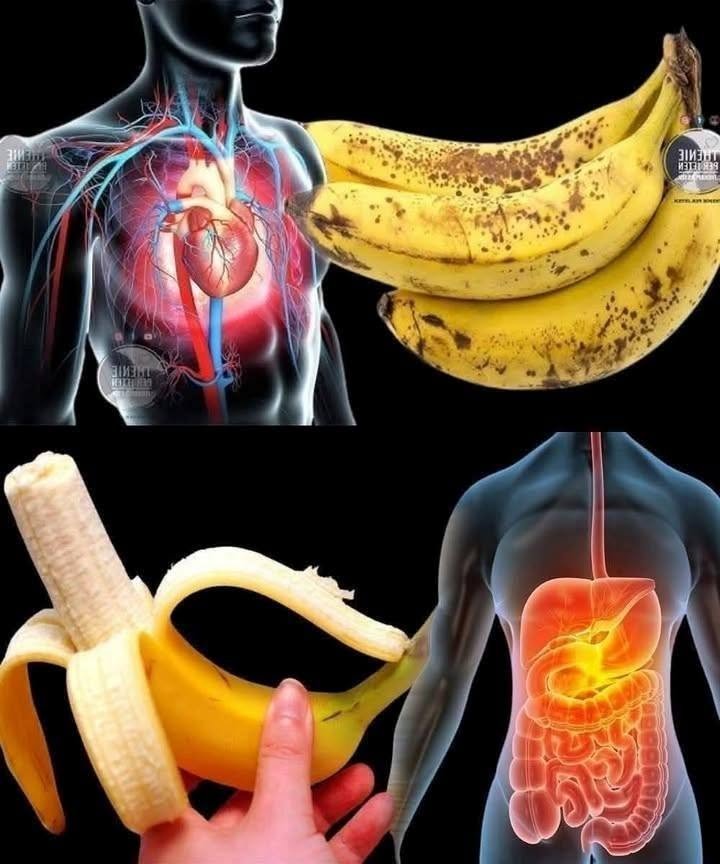
Eating Bananas in the Evening: What Really Happens to Your Body?
A banana contributes fiber to the diet, and adequate fiber intake is important for bowel regularity.
However, one banana is unlikely to resolve persistent constipation by itself.
Constipation can be influenced by insufficient fiber, inadequate fluid intake, low physical activity, medications, and certain medical conditions.
If you experience constipation, gradually increasing fiber from fruits, vegetables, whole grains, beans, and other foods may help.
Drinking an appropriate amount of fluid and staying physically active can also support normal bowel movements.
Some people find that less-ripe bananas make them feel more constipated, while others tolerate them well. Individual responses vary.
If constipation persists, causes significant pain, or occurs with blood in the stool, unexplained weight loss, vomiting, or other concerning symptoms, seek medical advice.
6. Can an Evening Banana Help You Lose Weight?
Bananas are sometimes promoted as a weight-loss food that supposedly burns fat during sleep.
This claim is misleading.
No food causes substantial fat loss simply because it is eaten at a particular time of day.
Weight management depends on several factors, including total energy intake, physical activity, sleep, medications, hormones, and individual health circumstances.
Bananas can still be useful in a balanced weight-management plan.
A medium banana provides carbohydrates, fiber, potassium, and other nutrients. It can replace a less nutritious snack, such as a dessert with a large amount of added sugar or a highly processed snack.
For someone who enjoys sweet foods in the evening, a banana may provide sweetness along with useful nutrients.
However, eating a banana in addition to an already sufficient daily intake does not automatically promote weight loss.
Does the body burn more fat while digesting a banana at night?
The body continues using energy during sleep, but there is no special fat-burning process triggered by eating a banana before bed.
Claims that a banana melts belly fat, detoxifies the body overnight, or dramatically increases metabolism are not supported by reliable evidence.
If your goal is weight management, focus on sustainable habits rather than a single food.
These may include eating balanced meals, getting enough protein and fiber, being physically active, sleeping consistently, and choosing portions that suit your needs.
A banana can be part of that approach, but it is not a weight-loss treatment.
7. Bananas Provide Vitamin B6 and Other Useful Nutrients
Bananas contain several nutrients that support normal body functions.
Vitamin B6 is involved in protein metabolism, nervous system function, and the production of certain neurotransmitters.
Bananas also provide carbohydrates, fiber, potassium, and small amounts of other vitamins and minerals.
These nutrients contribute to overall nutritional health when bananas are included in a varied diet.
However, the fact that a nutrient supports a particular process does not mean that eating a banana will produce a dramatic or immediate change in that process.
For example, vitamin B6 participates in pathways involved in neurotransmitter production, but eating a banana has not been shown to reliably increase a person’s serotonin levels enough to treat depression or insomnia.
Likewise, bananas provide potassium, but this does not mean that eating one will immediately normalize blood pressure or prevent all muscle cramps.
The benefits of food are best understood in the context of the overall diet rather than through exaggerated claims about individual nutrients.
8. What Happens to Blood Sugar When You Eat a Banana at Night?
Bananas contain natural sugars and carbohydrates that can raise blood glucose after eating.
For most healthy people, a banana can fit comfortably into a balanced diet.
The effect on blood glucose depends on several factors, including the banana’s size and ripeness, what else you eat, your activity level, and your individual glucose regulation.
Less-ripe bananas generally contain more resistant starch, while riper bananas contain more readily available sugars.
Can people with diabetes eat bananas in the evening?
Many people with diabetes can include bananas in their diets, but portion size and total carbohydrate intake matter.
A medium banana contains roughly 25–30 grams of carbohydrates, although the exact amount varies with size.
If you have diabetes, consider how the banana fits into your meal plan and how your body responds to it.
Pairing fruit with a source of protein or healthy fat may change how quickly a meal is digested, although the overall effect varies from person to person.
People who monitor blood glucose can use their readings and their clinician’s guidance to understand their individual response.
There is no universal rule that everyone with diabetes must avoid bananas after sunset.
Equally, there is no evidence that eating a banana at night is a special way to control blood sugar.
9. Can Eating Bananas Before Bed Cause Weight Gain?
A common concern is that carbohydrates eaten in the evening are automatically stored as fat.
This is an oversimplification.
The body uses and stores energy throughout the day and night. Weight gain generally occurs when energy intake consistently exceeds energy expenditure over time, although body weight is also influenced by other physiological factors.
A banana does not become inherently fattening simply because it is eaten in the evening.
For many people, a banana is a modest snack that can fit into their daily energy needs.
However, if someone regularly eats large amounts of food late at night in addition to their usual meals, the extra energy intake may contribute to weight gain over time.
The key consideration is the overall eating pattern rather than a strict rule against eating fruit after a particular hour.
If eating late causes you to consume more than you need, adjusting meal timing or planning a satisfying evening snack may be helpful.
There is no need to avoid bananas solely because the clock says it is nighttime.
10. Who Should Be Careful About Eating Bananas in the Evening?
Bananas are generally well tolerated, but they may not be the best choice for everyone in every situation.
People with chronic kidney disease
The kidneys help regulate potassium levels in the blood.
When kidney function is significantly reduced, potassium may accumulate, depending on the person’s condition, medications, and treatment.
Some people with chronic kidney disease need to limit high-potassium foods.
If you have been given a potassium restriction, ask your healthcare professional how bananas fit into your diet.
Do not assume that a fruit is safe in unlimited quantities simply because it is natural.
People with diabetes
Bananas contain carbohydrates that can affect blood glucose.
People with diabetes may need to consider the fruit’s size and how it fits into their meal plan.
This does not mean bananas are forbidden. It means that individual needs and portion sizes matter.
People who experience digestive discomfort
Some people experience bloating or abdominal discomfort after eating particular fruits.
If a banana causes discomfort before bed, try eating it earlier or choosing a different snack.
People with certain digestive conditions may tolerate less-ripe and fully ripe bananas differently.
People with acid reflux
Bananas are not a universal cause of acid reflux, but food tolerance varies.
If eating any snack shortly before lying down worsens your symptoms, consider leaving more time between eating and going to bed.
People with frequent nighttime reflux are often advised to avoid lying down for about three hours after a meal.
If reflux symptoms persist, a healthcare professional can help identify appropriate treatment.
11. Is One Banana Enough, or Should You Eat More?
For most people who want a simple evening snack, one medium banana is a reasonable portion.
There is no established requirement to eat bananas at night, and eating several bananas does not guarantee greater benefits.
More potassium, vitamin B6, or carbohydrates are not necessarily better when your nutritional needs are already being met.
A varied diet is generally preferable to relying heavily on one food.
You can rotate bananas with other fruits such as apples, pears, berries, oranges, or kiwi, depending on your preferences and health needs.
Different fruits provide different combinations of nutrients and plant compounds.
If you enjoy bananas, there is no need to stop eating them simply because you prefer them in the evening.
The best portion is one that suits your appetite, overall diet, and individual health requirements.
12. A Simple and Balanced Evening Banana Snack
If you are hungry before bed, you can enjoy a banana on its own or combine it with another nutritious food.
Here are a few simple options.
Option 1: A plain banana
A medium banana provides carbohydrates, potassium, and fiber without requiring preparation.
Option 2: Banana with plain yogurt
A small serving of plain yogurt adds protein and calcium. Choose a product that suits your dietary needs and tolerance.
Option 3: Banana with a small amount of nut butter
Nut butter provides fat and some protein, which may make the snack more satisfying. Be mindful of portion size and any allergies.
Option 4: Sliced banana with oats
A small serving of oats and banana can provide carbohydrates and fiber. This may be more filling than fruit alone, although it is not necessary if you only want a light snack.
Option 5: Banana with a few nuts
Nuts provide unsaturated fats, some protein, and various minerals. A modest portion can complement the fruit.
These combinations are ordinary food choices, not special remedies for insomnia, high blood pressure, or weight loss.
If eating close to bedtime causes discomfort, simply have your snack earlier.
13. What Matters More for Better Sleep Than Eating a Banana?
Although a banana can be a reasonable snack, long-term sleep quality depends on a wider range of factors.
A consistent sleep schedule can help regulate your body’s internal clock.
Keeping your bedroom dark, quiet, and comfortably cool may also support sleep.
Caffeine can interfere with sleep, particularly when consumed later in the day. Its effects vary, so people who are sensitive to caffeine may benefit from avoiding it during the afternoon and evening.
Alcohol may make some people feel sleepy initially, but it can disrupt sleep later in the night.
Stress, anxiety, pain, certain medications, and sleep disorders can also interfere with restful sleep.
Regular physical activity may support sleep, although intense exercise immediately before bed affects people differently.
If you have persistent difficulty falling asleep, staying asleep, or functioning during the day because of poor sleep, do not rely on bananas alone. Consider speaking with a healthcare professional to investigate the cause.
Final Thoughts
Eating a banana in the evening can be a healthy and convenient way to satisfy hunger while providing potassium, vitamin B6, fiber, and other nutrients.
It may be helpful for someone who wants a light snack before bed, and a small study suggests that bedtime banana consumption deserves further research in relation to sleep quality.
However, the evidence is not strong enough to claim that bananas reliably treat insomnia, burn fat overnight, eliminate leg cramps, or dramatically lower blood pressure.
The timing of the fruit does not transform it into a miracle food.
The real benefit comes from including bananas in a balanced diet that meets your nutritional needs. If you enjoy eating one in the evening and it agrees with your body, there is generally no reason to avoid it simply because bedtime is approaching.
Pay attention to your overall diet, maintain consistent sleep habits, and seek appropriate medical advice for persistent symptoms rather than expecting a single food to solve every problem.