Stop Throwing Away Brown Bananas: Simple Storage Tricks to Keep Them Fresh Longer
Bananas are one of the most popular fruits in the world, and for good reason. They are naturally sweet, easy to eat, affordable, and packed with useful nutrients. Whether you enjoy one for breakfast, add slices to oatmeal, blend it into a smoothie, or use it in homemade desserts, bananas are a convenient addition to everyday meals.
But there is one familiar problem: bananas can turn from bright yellow to brown surprisingly quickly.
You buy a fresh bunch, place it on the kitchen counter, and expect it to last several days. Before long, dark spots appear on the peel. The fruit becomes softer, and you begin wondering whether it is still good to eat.
Some people throw away bananas as soon as they develop brown spots. Others put them in the refrigerator, wrap their stems, or try various storage tricks they discover online.
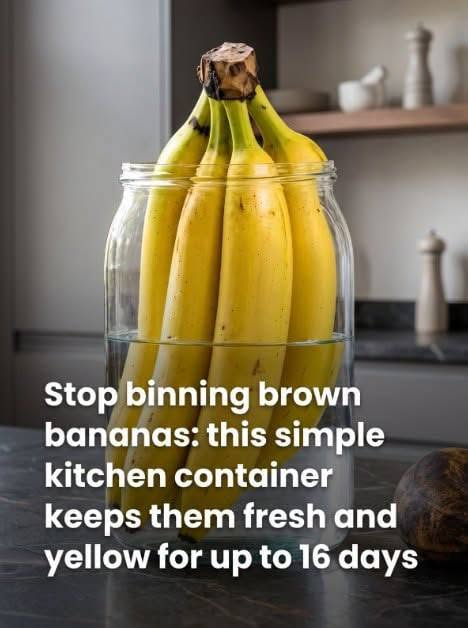
One viral claim suggests that placing bananas in a glass container can keep them fresh and yellow for as long as 16 days. The idea is appealing, especially for households that want to reduce food waste and save money.
However, there is no reliable guarantee that a glass container will keep bananas yellow for 16 days. Bananas naturally continue to ripen after harvesting, and their shelf life depends on temperature, initial ripeness, airflow, humidity, bruising, and other storage conditions.
The good news is that a few simple techniques can slow ripening, preserve the fruit for longer, and help you use bananas before they go to waste.
1. Why Do Bananas Turn Brown So Quickly?
To understand how to keep bananas fresh, it helps to understand what happens as they ripen.
Bananas are climacteric fruits. This means they continue ripening after they have been harvested.
During ripening, the fruit undergoes several natural changes.
First, starch is converted into sugars, making the banana taste sweeter. The flesh gradually softens, the aroma becomes stronger, and the peel changes from green to yellow.
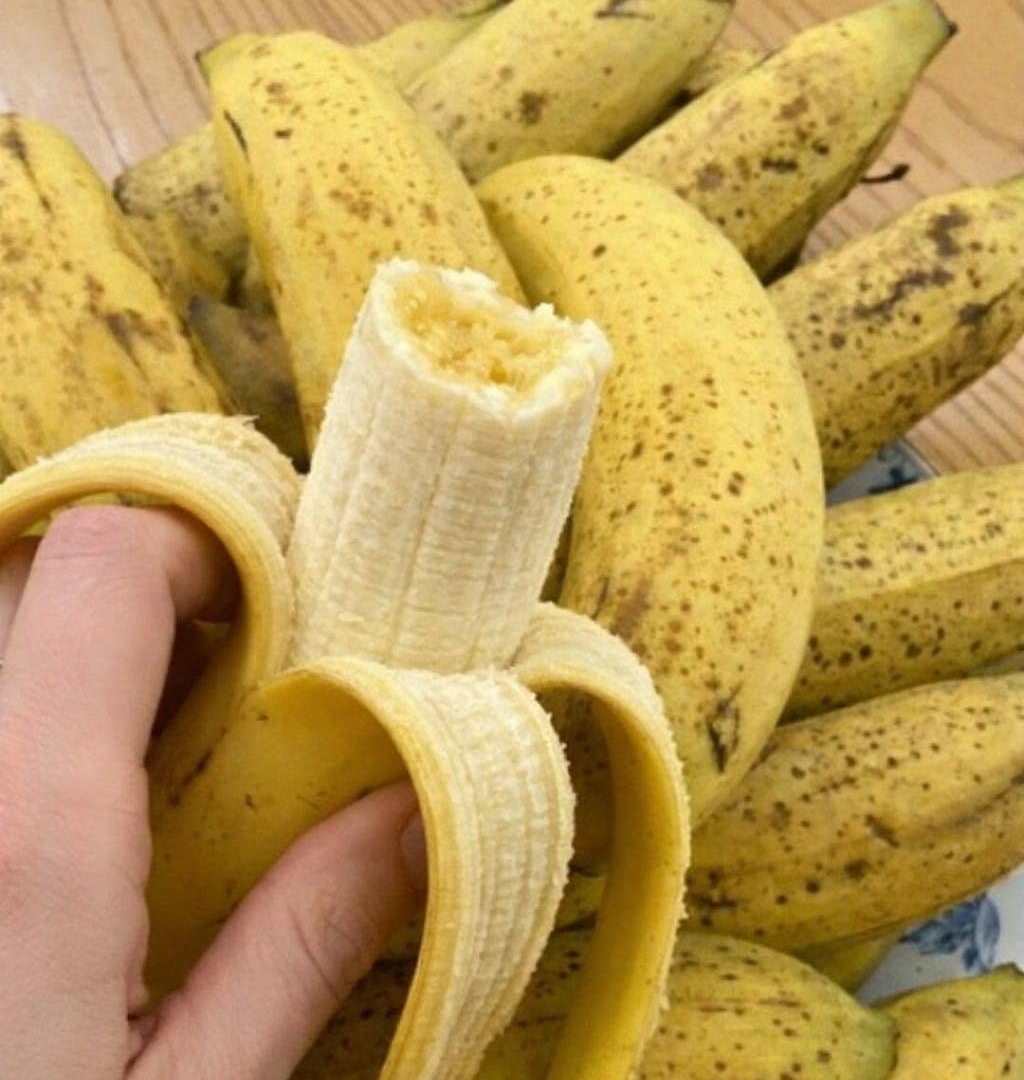
As ripening continues, small brown spots may appear on the skin. Eventually, the peel can become extensively brown or nearly black.
These changes are influenced by a natural plant hormone called ethylene.
Bananas produce ethylene as they ripen, and this gas helps regulate the process. Exposure to ethylene from other ripe fruits can also accelerate ripening.
Temperature plays a major role, too. Bananas generally ripen more quickly in warm conditions and more slowly when kept in a suitable cooler environment.
Physical damage can also affect their appearance. Bruising, pressure from other fruit, and rough handling can create dark patches that make bananas look older than they actually are.
Understanding these factors is the first step toward keeping bananas in good condition.
2. Can a Glass Container Keep Bananas Yellow for 16 Days?
The photograph accompanying this claim shows a bunch of bananas placed upright inside a transparent glass container.
Although the arrangement looks attractive, the image alone cannot establish that the container keeps bananas yellow for 16 days.
Glass is not a special ingredient that prevents ripening. It does not neutralize ethylene or stop the natural biochemical changes occurring inside the fruit.
The effect of a container depends on its design and how it is used.
For example, an open glass container may provide support and help protect bananas from some physical contact. However, it does not necessarily slow ripening significantly.
A tightly sealed container can create a different environment by restricting airflow and allowing moisture and gases to accumulate. Depending on the conditions, this may encourage condensation or undesirable deterioration rather than preserving the bananas.
If the container is kept in a cool room, the bananas may last longer because of the temperature rather than the glass itself.
Likewise, if the bananas were purchased relatively unripe, they may naturally take longer to become fully ripe.
The important lesson is that the container alone cannot guarantee a 16-day shelf life.
A better approach is to control the factors that genuinely influence ripening, including temperature, exposure to other fruits, moisture, and physical damage.
3. The Easiest Way to Keep Bananas Fresh Longer
One of the simplest methods is to store bananas according to their stage of ripeness.
If your bananas are still green
Leave them at room temperature in a well-ventilated location, away from direct sunlight and excessive heat.
Green bananas need time to ripen naturally. Placing them in a very cold environment too early can interfere with normal ripening and may damage the peel.
Avoid keeping unripe bananas in a tightly sealed plastic bag, where moisture and gases can accumulate.
If your bananas are yellow but still firm
Keep them in a cool, dry area away from direct sunlight.
If they are already ripe and you want to slow further ripening, refrigeration is an option. Although the peel may become darker, the flesh inside can remain in good condition for longer.
If your bananas are very ripe
If you cannot eat them soon, peel them and freeze them.
Frozen bananas are excellent for smoothies, baking, and other recipes. Freezing is one of the most useful ways to prevent ripe bananas from going to waste.
The best method depends on how ripe the fruit already is when you bring it home.
4. Should You Refrigerate Bananas?
Many people have heard that bananas should never be refrigerated.
That advice needs some clarification.
Refrigerating green bananas can interfere with normal ripening and cause chilling damage, particularly when the fruit is exposed to temperatures that are too low.
However, refrigeration can help extend the useful life of bananas that are already ripe.
When ripe bananas are placed in the refrigerator, their peels may turn brown or darken considerably. This can make them look less appealing, but it does not automatically mean that the flesh has spoiled.
The lower temperature slows many of the processes associated with ripening.
As a result, the fruit inside may remain relatively firm and edible even while the peel becomes darker.
For the best results, wait until the bananas have reached the ripeness you prefer before refrigerating them.
Place them in the refrigerator in a way that protects them from excessive pressure and contamination from other foods.
Remember that refrigeration slows deterioration; it does not make bananas last indefinitely. Always inspect the fruit before eating it.