Got Geraniums? 9 Essential Things to Do in September to Help Them Survive Winter and Produce Bigger Blooms Next Summer
Winter care does not finish when you put the pots away. Periodic inspections can help prevent small problems from becoming serious.
Check stored plants occasionally for signs of rot, excessive drying, pests, or unusual discoloration. Adjust care according to the overwintering method.
If a dormant plant develops soft, darkened tissue, investigate whether moisture or storage conditions may be contributing to the problem.
For actively growing indoor geraniums, remove damaged leaves and monitor soil moisture. Ensure that the plants receive adequate light and are not crowded in a poorly ventilated space.
As winter ends, begin preparing for the next growing season.
For potted geraniums, check whether the roots have filled the container. If the plant is root-bound or the potting mix has deteriorated, repotting into fresh, well-draining potting mix may be beneficial.
Gradually increase watering and resume feeding as new growth develops.
If you have kept plants dormant, bring them into brighter conditions as appropriate for your method and encourage growth gradually.
Wait until outdoor conditions are suitable before returning tender geraniums to their summer location. Acclimate them gradually by exposing them to outdoor conditions for increasingly longer periods over several days or longer, depending on the weather.
This process, known as hardening off, helps reduce the shock of moving plants from indoors to outdoors.
Once established in their summer position, provide adequate sunlight, water appropriately, and remove faded flowers regularly.
These steps can encourage healthy growth and a longer flowering season.
Why Are Your Geranium Leaves Turning Yellow?
The geranium pictured in the image has several leaves with yellow edges and patches. This is worth investigating before winter storage.
Yellowing leaves can develop for several reasons, and appearance alone cannot establish the exact cause.
Overwatering
Overwatering is a common problem, especially when temperatures cool and plants use less water.
If the potting mix remains wet for long periods, roots may become stressed or begin to rot. Check the drainage holes and allow the soil to dry appropriately between waterings.
Natural Aging
Older leaves near the bottom of a geranium may turn yellow as part of the normal aging process.
If the plant otherwise looks healthy and is producing new growth, a few yellow lower leaves may not be cause for concern.
Nutrient Deficiency
Nutrient deficiencies can cause changes in leaf color, but several different problems can produce similar symptoms.
For example, yellowing between leaf veins may sometimes indicate a nutrient-related issue. However, root damage, unsuitable soil conditions, and watering problems can also interfere with nutrient uptake.
Avoid adding fertilizer automatically without checking the plant’s growing conditions first.
Temperature Stress
Cold weather can damage sensitive foliage, while sudden changes in temperature may also stress the plant.
Move tender geraniums to a suitable location before frost arrives.
Poor Drainage
A pot with compacted soil or blocked drainage holes may retain too much moisture.
Make sure excess water can escape freely and use a potting mix that drains well.
Addressing the underlying cause of yellowing is more useful than simply removing affected leaves.
How to Get Bigger Geranium Blooms Next Summer
Successful overwintering gives your geraniums a better chance of returning in good condition, but large, abundant flowers also depend on care during the growing season.
Provide Adequate Sunlight
Most common flowering geraniums grow and bloom best in a bright location with several hours of direct sunlight.
In extremely hot climates, some afternoon protection may help prevent excessive heat stress.
Use Well-Draining Potting Mix
Geraniums do not thrive when their roots remain waterlogged.
Choose a quality potting mix suitable for containers and make sure the pot has drainage holes.
Water Consistently
Water when the soil needs it rather than following a fixed daily schedule.
Container plants may dry quickly during hot weather, while cool, cloudy conditions reduce water use.
Feed During Active Growth
Use a balanced fertilizer suitable for flowering container plants, following the product’s directions.
Avoid excessive feeding, which can encourage foliage at the expense of flowering or contribute to salt buildup.
Remove Spent Flowers
Regular deadheading encourages a tidier appearance and may help many varieties continue producing flowers.
Remove entire faded flower clusters when practical.
Prune Carefully
Light pruning can encourage branching and help prevent plants from becoming excessively leggy.
The best timing and intensity depend on the variety and its growth habit.
Choose the Right Container
A pot with good drainage is essential. An excessively large container may hold more moisture than a small plant can use, especially in cool weather.
Choose a container appropriate for the plant’s root system.
Monitor for Pests
Inspect foliage regularly for aphids, whiteflies, spider mites, and other common pests.
Early detection makes problems easier to manage before they spread.
Be Patient After Winter
Geraniums may take time to resume vigorous growth after a period of reduced activity.
Give them suitable light, warmth, and watering conditions rather than immediately trying to force rapid growth.
With consistent care, many overwintered geraniums can produce abundant flowers during the following growing season.
Can Geraniums Survive Winter Outdoors?
The answer depends on which plant you have and the climate in which you grow it.
The plants commonly sold as garden geraniums are often members of the genus Pelargonium. Many popular varieties are not reliably frost-hardy and need protection during freezing weather.
True hardy geraniums, which belong to the genus Geranium, are a different group. Many of these are perennial plants that can survive winter outdoors in suitable climates.
Because the common names overlap, it is important to identify the plant before deciding how to overwinter it.
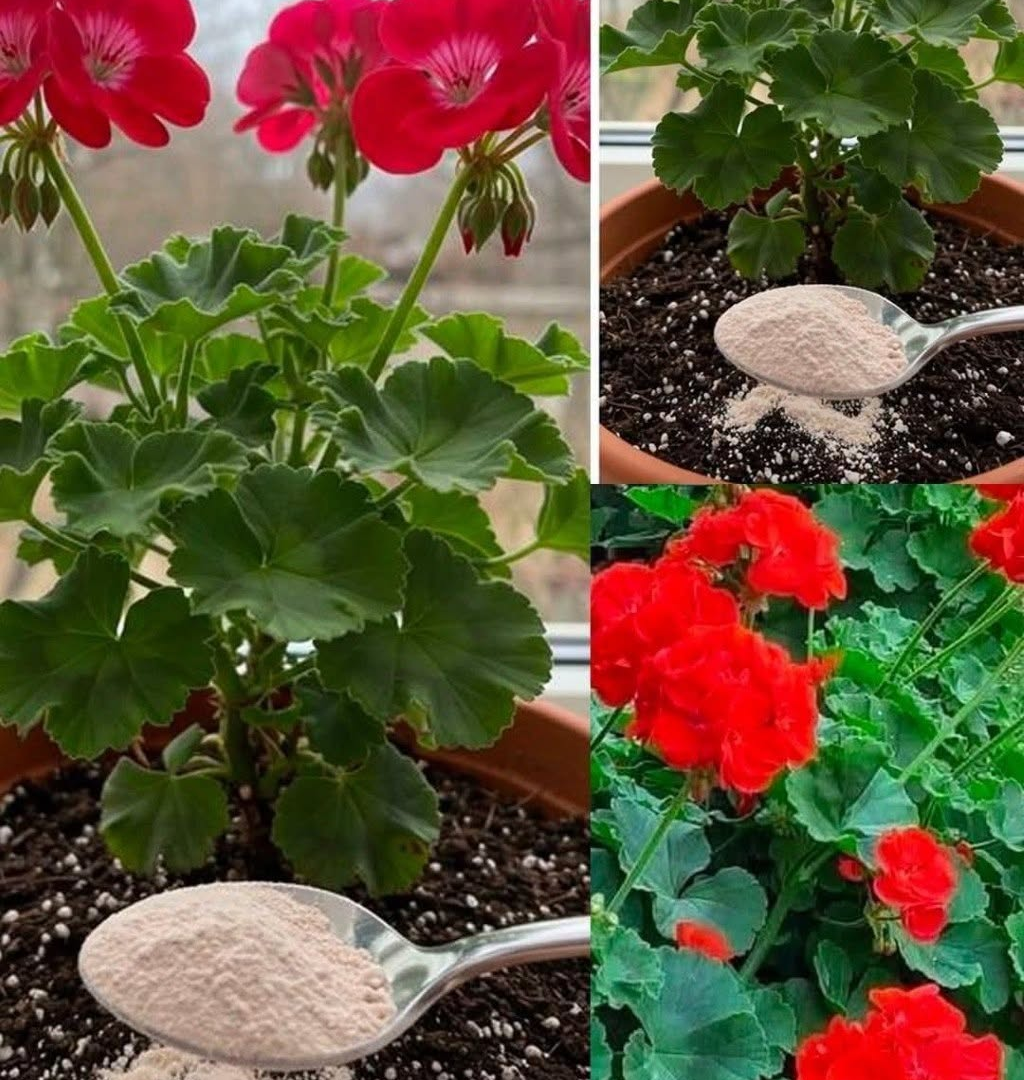
If your plant is a typical red, pink, or white-flowering geranium grown in a terracotta pot, it may be a tender Pelargonium. Unless you know that your particular variety tolerates your winter conditions, protecting it from frost is the safer approach.
In regions with mild winters, some tender varieties may survive outdoors in sheltered positions, but cold tolerance varies.
Do not assume that every plant called a geranium can withstand freezing temperatures.
Final Thoughts
Preparing geraniums for winter is largely about preventing stress and providing suitable conditions while growth slows.
Inspect your plants for pests, prune damaged growth, choose an appropriate overwintering method, reduce watering when necessary, and protect tender varieties from frost. During winter, monitor their condition and avoid unnecessary fertilizing.
Then, as spring approaches, gradually encourage new growth with appropriate light, watering, and feeding.
These nine steps can help you preserve your favorite plants and give them a better chance of producing healthy foliage and beautiful flowers next summer.
The most important thing to remember is that geraniums do not all need exactly the same winter care. Temperature, light, moisture, variety, and storage method all influence their needs. By paying attention to those conditions, you can help your plants make it through winter and enjoy another season of colorful blooms.