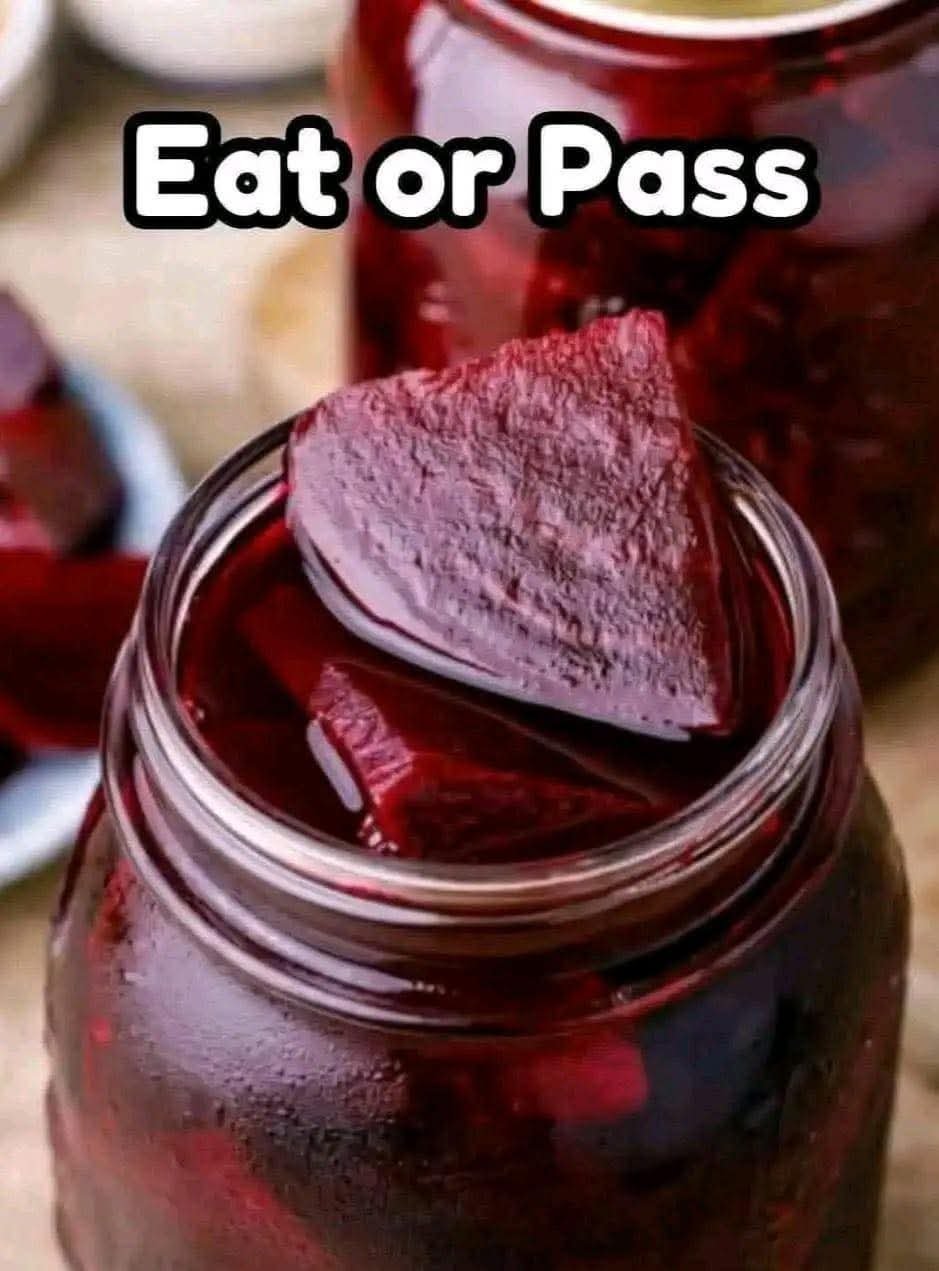
Homemade Pickled Beets: A Sweet, Tangy, Vibrant Side Dish You Can Make at Home
Pickled beets are one of those foods that can completely change the way you think about this humble root vegetable. Their deep red-purple color makes them beautiful on the plate, while the combination of earthy sweetness, tangy vinegar, and gentle spices creates a flavor that works with everything from salads to sandwiches and roasted meats.
If you’ve only eaten plain cooked beets, pickling them is worth trying.
The process is surprisingly simple, and homemade pickled beets can be prepared with ingredients that are easy to find in most kitchens.
But there is an important distinction between refrigerator pickled beets and shelf-stable canned pickled beets. The recipe below is designed as a refrigerator pickle. That means the finished beets should be kept refrigerated rather than stored at room temperature in a cupboard.
Why Pickled Beets Are So Popular
Fresh beets have a naturally earthy and slightly sweet flavor. Some people love that flavor immediately, while others find it a little too strong.
Pickling changes the flavor dramatically.
The vinegar adds acidity, while sugar balances the sharpness. Spices add warmth and complexity.
The result is:
Sweet
Tangy
Earthy
Slightly spiced
Juicy
Vibrantly colored
Pickled beets can also be prepared ahead of time, allowing the flavors to develop as they sit in the refrigerator.
Ingredients
For a simple homemade refrigerator version, you’ll need:
4 medium fresh beets
1 cup vinegar
1 cup water
1/3 to 1/2 cup granulated sugar
1 teaspoon salt
1/2 teaspoon black peppercorns
1/2 teaspoon mustard seeds
2 to 3 whole cloves
1 small cinnamon stick
1 small bay leaf
1/2 small onion, thinly sliced, optional
You can adjust the sugar and spices according to your taste.
For a sharper pickle, use less sugar.
For a sweeter pickle, use a little more.
Choosing the Beets
Look for beets that are firm and smooth.
Avoid beets that are extremely soft, badly damaged, moldy, or have extensive areas of decay.
Medium-sized beets are particularly convenient because they cook relatively evenly and are easy to slice.
If the greens are still attached, they can be removed and used separately.
Fresh beet greens can be cooked similarly to other leafy greens.
Step 1: Prepare the Beets
Wash the beets thoroughly under running water.
Remove any visible soil.
Don’t peel them yet.
Keeping the skin on during cooking can help reduce the amount of color that escapes into the cooking water.
Trim the tops and roots if necessary, but avoid cutting deeply into the beet.
Step 2: Cook the Beets
Place the cleaned beets in a saucepan and cover them with water.
Bring the water to a boil.
Reduce the heat and simmer until the beets are tender enough to pierce easily with a knife.
Depending on their size, this may take approximately 30 to 50 minutes.
Larger beets can require more time.
Don’t worry if the cooking time varies.
The important thing is that the beets become tender without turning completely mushy.
Step 3: Cool the Beets
Once the beets are cooked, carefully remove them from the water.
Allow them to cool enough to handle.
When they are cool, the skins can usually be rubbed or peeled away relatively easily.
Be careful because beet juice stains.
Use a cutting board that you don’t mind getting temporarily stained, and consider wearing kitchen gloves if you want to avoid red fingertips.
Step 4: Slice the Beets
Cut the peeled beets into slices.
You can make them:
Thin
Thick
Wedges
Cubes
Small rounds
The classic presentation is round slices, similar to the beets shown in the photograph.
Try to keep the pieces relatively similar in size so that the pickling liquid can reach them evenly.
Step 5: Prepare the Pickling Liquid
In a saucepan, combine:
Vinegar
Water
Sugar
Salt
Black peppercorns
Mustard seeds
Cloves
Cinnamon
Bay leaf
Bring the mixture to a gentle simmer.
Stir until the sugar and salt dissolve.
You don’t need to boil it aggressively.
The goal is simply to dissolve the ingredients and allow the spices to release some of their flavor.
Step 6: Add the Optional Onion
If you’re using onion, add the thinly sliced pieces to the hot pickling liquid.
Onion gives the finished beets another layer of flavor.
It also becomes pleasantly tangy as it absorbs the vinegar mixture.
If you prefer pure beet flavor, simply leave it out.
Step 7: Pack the Beets
Place the cooked beet slices into a clean heat-resistant container.
A clean glass jar or suitable food-storage container works well.
Pour the warm pickling liquid over the beets.
Make sure the pieces are well covered by the liquid.
Allow the container to cool according to safe food-handling practices, then cover it and refrigerate.
How Long Should Pickled Beets Sit?
You can eat refrigerator pickled beets relatively soon, but they become more flavorful after they have had time to absorb the pickling liquid.
For a stronger flavor, allow them to sit in the refrigerator for at least several hours.
Overnight is even better.
After a day or two, the vinegar, sweetness, spices, and beet flavor become more integrated.
The longer they sit, the more pronounced the pickled flavor becomes.
How Long Do Homemade Refrigerator Pickled Beets Last?
Because this recipe is intended as a refrigerator pickle rather than a shelf-stable canned product, keep the container refrigerated.
Use clean utensils whenever removing beets from the container.
Don’t leave the jar sitting at room temperature for long periods.
If you notice:
Mold
An unusual odor
Unexpected bubbling
Sliminess
Major changes in appearance
discard the product rather than tasting it to determine whether it’s safe.
Important: Refrigerator Pickles Are Not Shelf-Stable
This is an important safety distinction.
A recipe that uses vinegar and water does not automatically become safe for room-temperature storage.