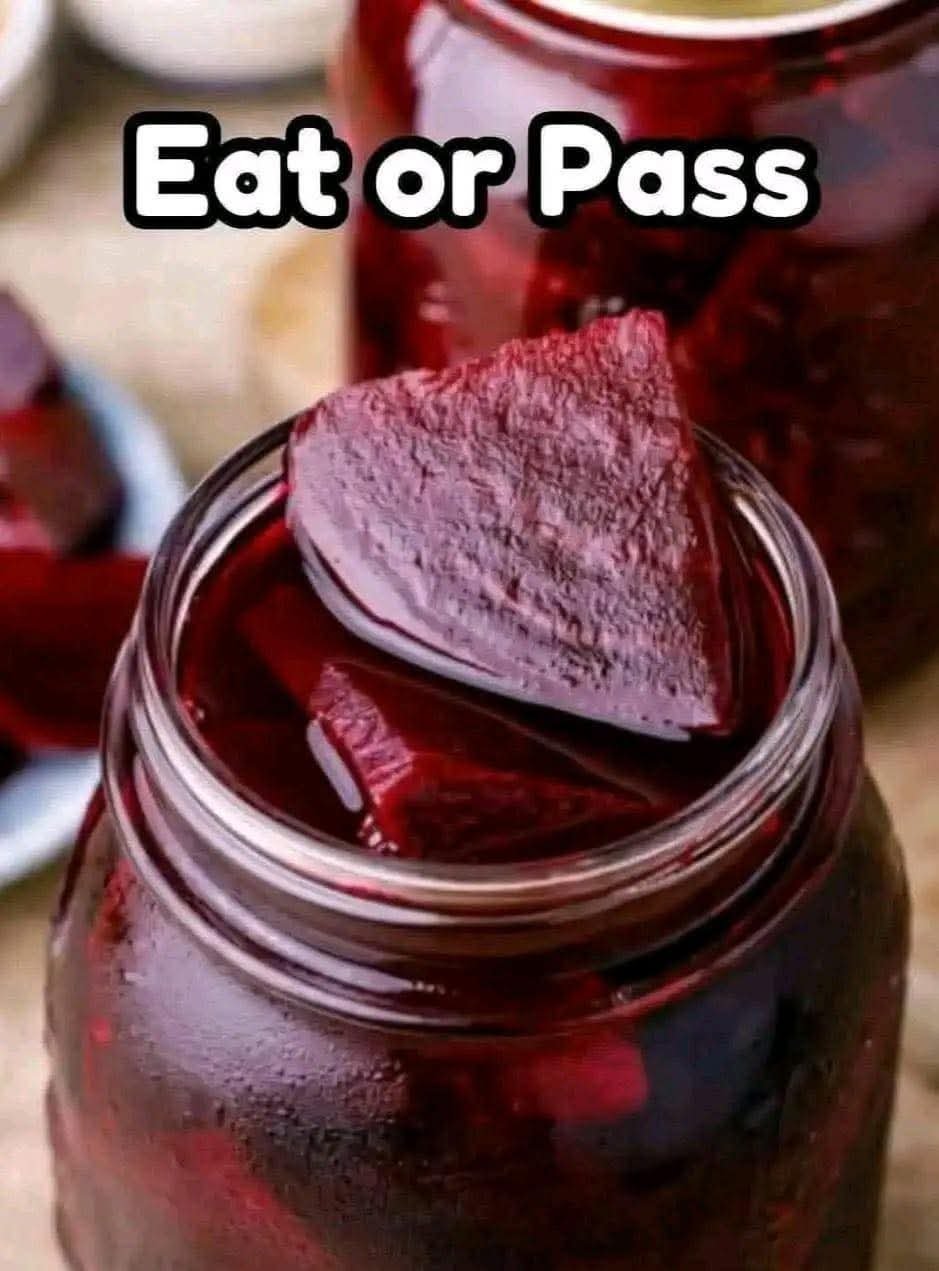
Homemade Pickled Beets: A Sweet, Tangy, Vibrant Side Dish You Can Make at Home
What Makes Pickled Beets Healthy?
Beets themselves are nutritious vegetables.
They provide:
Fiber
Folate
Potassium
Manganese
Naturally occurring plant compounds
Carbohydrates that provide energy
Beets are also naturally rich in compounds called nitrates.
The body can convert dietary nitrate into nitric oxide, which plays a role in blood-vessel function.
Research has investigated beetroot and nitrate-rich foods in relation to blood pressure and exercise performance.
However, eating pickled beets shouldn’t be presented as a treatment for high blood pressure or any other disease.
They can be part of a healthy diet, but they are not a replacement for prescribed treatment.
Does Pickling Destroy All the Nutrients?
Cooking and pickling can change the nutritional composition of foods.
Some nutrients are sensitive to heat, while others remain relatively stable.
The final nutritional profile depends on how the beets are prepared and how much of the cooking liquid is consumed.
Even after cooking, beets remain a nutritious vegetable.
The important thing is to include a variety of vegetables and other nutrient-rich foods rather than expecting one food to provide everything the body needs.
Are Pickled Beets High in Sugar?
The amount depends on the recipe.
Some commercial and homemade pickled beet recipes contain a substantial amount of added sugar.
That’s why making them yourself can be useful: you can control the sweetness.
You don’t have to make them extremely sweet.
Start with a modest amount of sugar and adjust the recipe the next time you prepare it.
The natural sweetness of the beets already contributes to the final flavor.
Can You Reduce the Sugar?
Yes.
If you prefer a more savory pickle, reduce the sugar.
Keep in mind that sugar isn’t only there for sweetness. It balances the sharpness of the vinegar.
If you remove too much, the finished beets may taste considerably more acidic.
A good approach is to reduce the sugar gradually rather than eliminating it completely.
What Type of Vinegar Should You Use?
Several types of vinegar can work.
Apple Cider Vinegar
This provides a slightly fruity, mellow flavor.
White Vinegar
This gives a sharper, cleaner acidic taste and allows the beet flavor to stand out.
Red Wine Vinegar
This can produce a richer, more complex flavor.
Malt or Specialty Vinegars
These can be interesting for experimentation, but their flavor may be stronger and less traditional.
For food-safety purposes, use vinegar with a known acidity appropriate for the recipe, particularly if you’re adapting a preservation recipe.
Can You Add Garlic?
You can experiment with flavors, but garlic requires additional consideration in homemade preservation.
For a simple refrigerator pickle, flavoring can be adjusted, but you should not assume that adding garlic makes a recipe suitable for long-term room-temperature storage.
If you’re making refrigerator pickles, keep the finished product refrigerated.
For shelf-stable preservation, use a properly tested recipe rather than improvising.