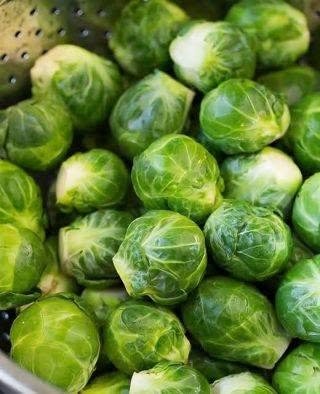
Honestly, does anyone here actually eat Brussels sprouts?
There is a reason Brussels sprouts have become famous as one of the most disliked vegetables.
For generations, many people experienced them boiled for long periods until they became extremely soft, watery, and unpleasantly strong-smelling.
Unfortunately, this cooking method can bring out characteristics that make the vegetable less appealing.
Brussels sprouts naturally contain sulfur-containing compounds. When they are cooked for too long, some of these compounds contribute to the strong smell associated with overcooked cabbage-like vegetables.
Their flavor can also become more bitter under certain cooking conditions.
However, this does not mean Brussels sprouts are naturally unpleasant.
In fact, preparation makes an enormous difference.
Roasting, sautéing, grilling, and air-frying can produce completely different results from boiling them for an extended period.
For people who have avoided Brussels sprouts since childhood, trying a properly roasted version may completely change their opinion.
Are Brussels Sprouts Actually Healthy?
One reason Brussels sprouts deserve a place in a balanced diet is their impressive nutritional profile.
They provide several essential nutrients while being relatively low in calories.
A typical serving contains dietary fiber, vitamin C, vitamin K, folate, and other beneficial plant compounds.
Let’s explore some of their nutritional qualities.
1. Rich in Vitamin C
Vitamin C is an essential nutrient involved in several important processes throughout the body.
It supports normal immune system function, helps the body produce collagen, and contributes to the protection of cells from oxidative damage.
Brussels sprouts are a useful vegetable source of vitamin C.
Including them alongside other vitamin C-rich foods can help contribute to meeting daily nutritional needs.
2. An Excellent Source of Vitamin K
Brussels sprouts contain vitamin K, an important nutrient involved in normal blood clotting and bone metabolism.
Vitamin K helps the body produce proteins involved in these processes.
People taking certain blood-thinning medications, particularly warfarin, should maintain consistent vitamin K intake and discuss significant dietary changes with their healthcare professional.
3. Provide Dietary Fiber
Fiber is another important reason to include Brussels sprouts in your meals.
Dietary fiber supports digestive health and helps maintain regular bowel movements.
It also contributes to feelings of fullness after eating.
A diet containing adequate fiber from vegetables, fruits, legumes, and whole grains can support overall digestive health.
Brussels sprouts are therefore a useful addition to meals when someone wants to increase their vegetable and fiber intake.
4. Contain Beneficial Plant Compounds
Like other cruciferous vegetables, Brussels sprouts contain naturally occurring compounds called glucosinolates.
When these vegetables are chopped, crushed, or chewed, enzymes can help convert glucosinolates into other compounds, including isothiocyanates.
These substances have attracted scientific interest because of their biological activities.
However, it is important to understand that eating Brussels sprouts does not guarantee protection against cancer or any other disease.
They are simply one nutritious vegetable that can contribute to a healthy eating pattern.
5. Contain Folate
Folate, also known as vitamin B9, plays an important role in DNA synthesis and normal cell division.
It is especially important during periods of rapid growth, including pregnancy.
Brussels sprouts provide a modest amount of this essential nutrient.
Although they can contribute to folate intake, they should not be considered a replacement for prescribed prenatal supplements when those are recommended.
The Secret to Making Brussels Sprouts Taste Delicious
If you have always disliked Brussels sprouts, the problem may not be the vegetable itself.
It may simply be the way it was prepared.
The most important rule is to avoid cooking them for too long.
Here are several methods worth trying.
1. Oven-Roasted Brussels Sprouts
Roasting is one of the easiest ways to transform Brussels sprouts.
The high temperature helps brown their outer surfaces, creating a slightly crispy texture while allowing the inside to become tender.
To prepare them:
Preheat your oven to approximately 400°F (200°C).
Wash the Brussels sprouts thoroughly.
Remove any damaged outer leaves.
Trim the ends and cut larger sprouts in half.
Toss them with olive oil, salt, and black pepper.
Arrange them in a single layer on a baking sheet, preferably with the cut sides facing down.
Roast for approximately 20–30 minutes, depending on their size.
Turn or check them as needed to prevent excessive browning.
When they are ready, the outside should be golden brown, and the centers should be tender when pierced with a fork.
For additional flavor, you can finish them with lemon juice, garlic, or a small amount of grated Parmesan cheese.
2. Air-Fryer Brussels Sprouts
If you own an air fryer, Brussels sprouts are an excellent vegetable to prepare in it.
The circulating hot air helps create crispy edges without requiring large amounts of oil.
Start by cleaning and halving the sprouts. Toss them with a little olive oil, salt, pepper, and your preferred seasonings.
Cook them at approximately 375°F (190°C) for 12–18 minutes, shaking the basket halfway through.
Cooking times vary depending on the size of the sprouts and the appliance.
Avoid overcrowding the basket because the vegetables need enough space for the hot air to circulate.