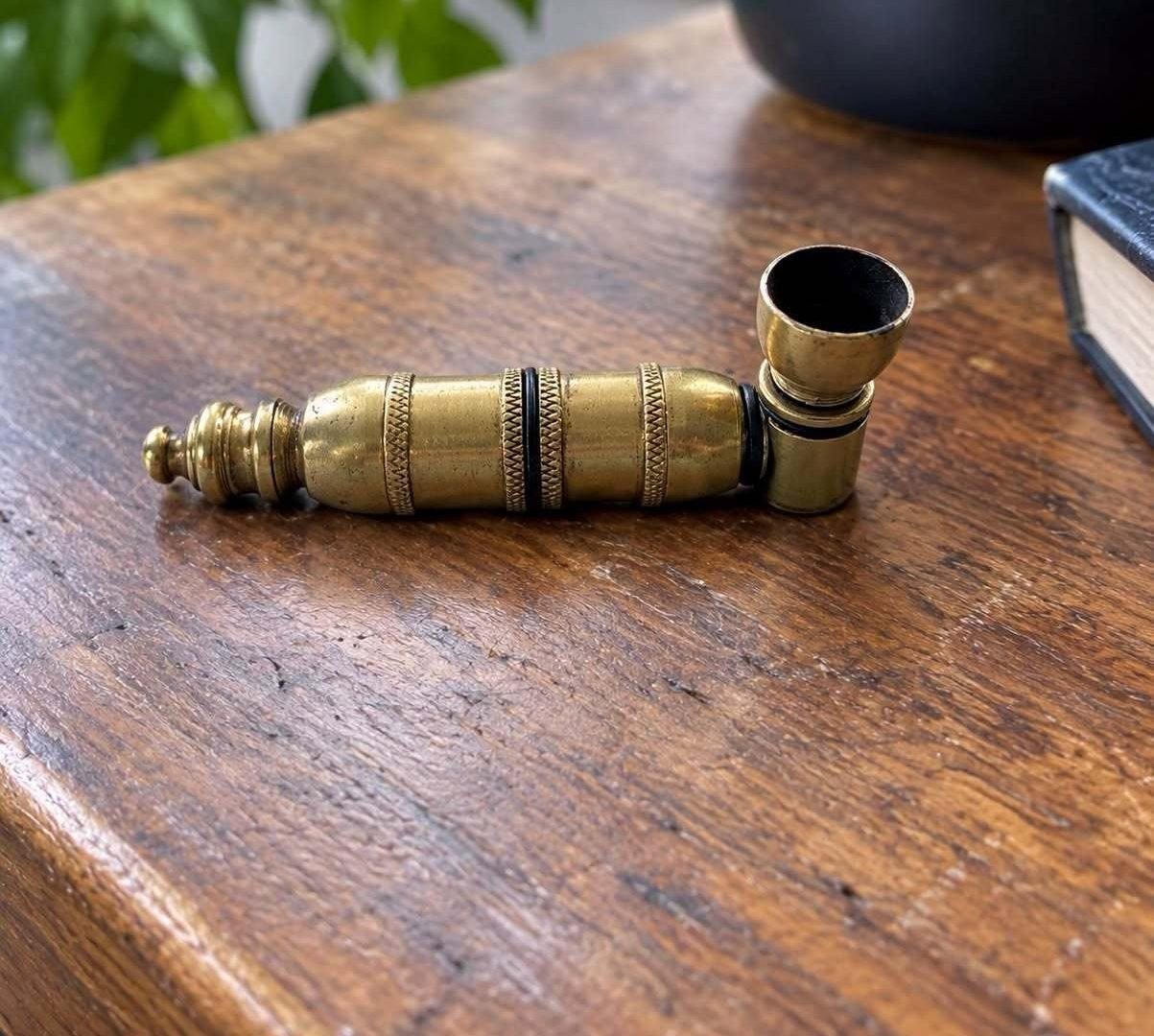
Mystery Solved: The Strange Metal Instrument Found in a Drawer May Have a Medical History
A speculum is an examination instrument that allows a healthcare professional to see an area of the body more clearly.
The word refers to a broad category of devices rather than just one particular instrument.
Different specula are used for different purposes.
Vaginal specula
A vaginal speculum is used in gynecology to help examine the vagina and cervix.
Depending on the clinical situation, the examination may be performed to investigate symptoms, inspect cervical tissue, collect samples, or carry out certain procedures.
Some designs have two blades that open after insertion. Others use different shapes and mechanisms.
Nasal specula
A nasal speculum helps a healthcare professional examine the inside of the nose.
These instruments are generally much smaller and are designed for the anatomy of the nasal passages.
Ear specula
An ear speculum is used with an otoscope to help examine the ear canal and eardrum.
It is typically a small, cone-shaped attachment rather than a large hinged instrument.
These examples illustrate why identifying an unfamiliar instrument requires attention to its shape, size, construction, and mechanical features.
3. How Did Older Metal Medical Instruments Work?
Before modern disposable medical equipment became widely available, many examination instruments were manufactured from metal and designed to be cleaned, sterilized, and reused.
Stainless steel became an important material for reusable medical instruments because it can offer strength, durability, and resistance to corrosion when properly manufactured and maintained.
Earlier instruments were also made from other metals or metal alloys, depending on the period and intended use.
Mechanical designs varied according to the medical task.
Some instruments used hinges to allow movement. Others incorporated handles, screws, springs, or locking mechanisms to control their position.
In a speculum, the opening mechanism allows a clinician to separate the blades gradually and maintain an appropriate view during an examination.
Different models were designed for different clinical requirements, and their appearance changed as medical technology developed.
An older instrument may therefore look unfamiliar compared with equipment used in a modern clinic.
4. Why Would Someone Keep a Medical Instrument at Home?
Finding an object that resembles a medical instrument in a household drawer does not necessarily mean that anything unusual happened.
There are several ordinary explanations.
It may have belonged to a healthcare professional
A former doctor, nurse, midwife, dentist, or other healthcare worker may have kept instruments from their professional life.
Older medical equipment sometimes remains in family homes long after its original owner has retired.
It may be an inherited object
Families often keep items from parents, grandparents, or other relatives without knowing exactly what they were used for.
An object may have been stored away decades earlier and forgotten.
It may be a collectible
Antique and vintage medical instruments are collected by some enthusiasts, museums, and historians.
Their interest may lie in the craftsmanship, historical significance, or development of medical technology.
It may have been used for teaching
Medical schools and training institutions have historically used instruments to demonstrate anatomy, clinical examinations, and medical procedures.
Some equipment may eventually enter private collections.
It may have another purpose entirely
The instrument’s appearance alone cannot establish its history. It could be a different type of specialized tool that happens to resemble a medical device.
That is why it is better to investigate the object’s features rather than assume that its presence reveals something about the person who owned it.
5. Why Do Older Medical Instruments Look So Unusual?
Medical instruments are designed around the shape and function of the body part they are intended to examine or treat.
As a result, some devices have curved blades, narrow openings, unusual handles, or mechanical parts that look unfamiliar to people outside healthcare.
Older instruments may also differ from modern designs in several ways.
Materials: Older tools may have a different finish or show discoloration from age and use.
Mechanical construction: Some historical designs relied on hinges, springs, screws, and metal rods rather than modern plastic components or electronic controls.
Ergonomics: The shape of handles and working ends may reflect the design practices and clinical methods of the period.
Maintenance: Reusable instruments required appropriate cleaning, inspection, and sterilization between patients.
Specialized function: A tool designed for a particular medical procedure may not resemble anything used in ordinary household life.
Although an instrument may look strange today, its shape may have been carefully developed to perform a specific task.
6. How Can You Identify an Old Medical Instrument?
If you discover a similar object in a drawer, several clues may help establish what it is.
Examine the complete shape
Photograph the entire object from multiple angles.
Include its handles, working end, hinges, and any attachments. A close-up of just one part may make identification much more difficult.
Look for manufacturer markings
Some instruments have a manufacturer’s name, model number, country of origin, or other markings engraved into the metal.
These details may help establish the manufacturer and approximate period of production.
Do not assume that an unmarked object is necessarily old or unusual. Many instruments have no visible identifying information.