Mystery Solved: The Strange Metal Instrument Found in a Drawer May Have a Medical History
Without forcing anything, examine whether the instrument opens, closes, rotates, or locks into different positions.
Its mechanical action may provide useful clues about its intended function.
Avoid placing your fingers between moving components, particularly if the instrument has a spring or locking mechanism.
Measure its dimensions
The object’s length, width, and working-end dimensions may help distinguish it from similar instruments.
A small instrument intended for examining the ear, for example, would have a very different size and design from a larger examination tool.
Compare it with reliable museum collections
Medical museums preserve historical instruments and often provide descriptions of their purpose, material, and approximate date.
Comparing the complete object with documented examples can be more reliable than relying on a social media caption.
Ask a qualified specialist
A medical historian, museum curator, antique-instrument specialist, or experienced medical professional may be able to help identify it.
If the object appears to be a medical instrument, do not attempt to use it simply to test your theory.
7. Could It Be Dangerous to Handle?
An old metal instrument is not automatically dangerous simply because it looks unfamiliar. However, it should be treated with care until its condition and purpose are understood.
Older equipment may have sharp edges, damaged hinges, corrosion, or residues from previous use.
A photograph cannot establish whether an object is sterile or safe for medical use.
Even an instrument that looks clean may carry microorganisms or contaminants.
What precautions should you take?
Handle the object carefully and avoid touching sharp or damaged areas.
Do not insert it into the body or use it for any medical purpose.
If it has visible residue, corrosion, or damage, avoid attempting to restore it without understanding its material and historical value.
If you intend to preserve it as a collectible, a qualified conservator or experienced specialist may be able to recommend appropriate handling and storage.
Medical instruments intended for reuse in clinical settings require validated cleaning and sterilization procedures. Ordinary household washing is not an adequate substitute for those processes.
8. What Can an Old Instrument Tell Us About Medical History?
Objects such as this can offer a fascinating glimpse into how healthcare has changed.
Medical instruments reflect the knowledge, materials, and clinical techniques available when they were developed.
A tool that seems unusual today may have been a familiar part of everyday medical practice during an earlier period.
Historical instruments can also help researchers understand the development of examination methods, surgical techniques, and medical education.
However, the presence of an old instrument does not necessarily reveal when it was used, who used it, or which medical procedures were performed with it.
Those questions require additional evidence, such as documentation, manufacturer markings, family history, or a reliable museum identification.
Final Thoughts
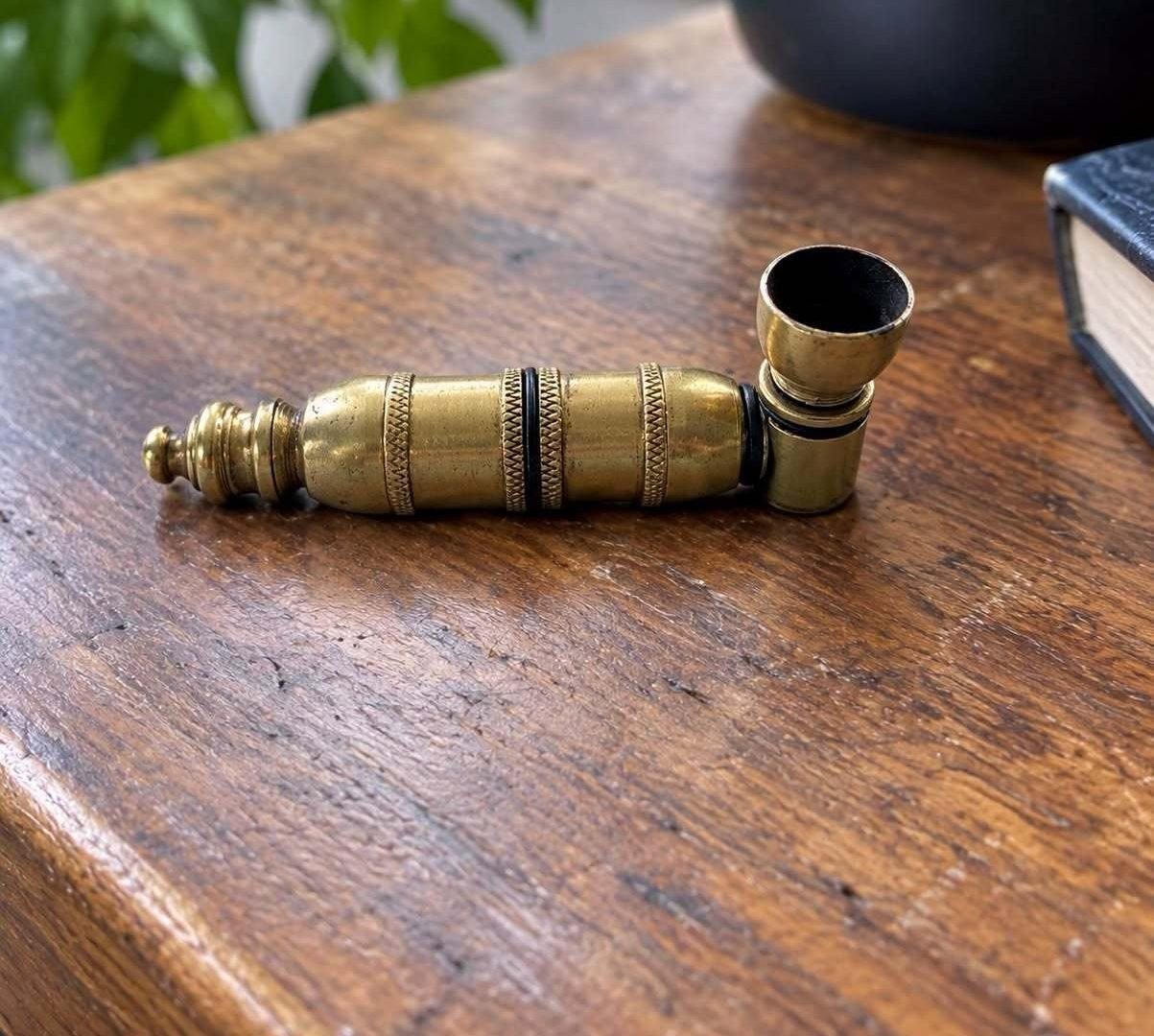
The unusual metal object in the photograph appears consistent with an older medical instrument, and a speculum is one possible identification. Nevertheless, its precise function cannot be confirmed from the image alone.
If it is a speculum, it would most likely have been designed to help a trained medical professional examine a body cavity. Similar instruments have been used in different areas of medicine, and their designs vary according to their intended purpose.
Finding such an object in a household drawer is not, by itself, evidence of anything suspicious. It may be an inherited item, a former healthcare worker’s equipment, a collectible, or a different kind of specialized tool.
The best way to solve the mystery is to examine the entire instrument, look for identifying marks, and compare its construction with documented examples.
Sometimes, the most interesting discovery is not just identifying an unfamiliar object, but learning the history behind the tools people once used.