Soak Berries in Salt Water: Why Do Tiny Bugs Sometimes Come Out?
Mold deserves particular attention.
Strawberries are soft, high-moisture fruits, which means mold can spread beyond the area that is immediately visible.
If one berry has a small amount of mold, it can be tempting to cut away the affected section and eat the rest.
With soft fruits such as strawberries, however, visible mold can indicate that fungal growth has extended beyond what you can see.
If multiple berries are moldy, fuzzy, leaking, or visibly deteriorating, it is generally safer to discard the affected fruit rather than trying to rescue it.
Washing Strawberries Properly
One of the most important habits is washing fresh produce before eating it.
Start by inspecting the berries.
Remove any fruit that is clearly spoiled or damaged.
Place the berries under clean, cool running water and gently rinse them.
Avoid using soap or household cleaning products on fruit.
Soap and detergents are not designed to be consumed and can leave residues or cause irritation.
After washing, handle the berries with clean hands and utensils.
If you are not eating them immediately, store them appropriately.
Why You Shouldn’t Use Soap on Strawberries
Some people assume that if water can remove dirt, soap must work even better.
That is not a good idea.
Fruit is food, not a dish or countertop.
Household detergents can contain substances that should not be ingested.
Instead, use clean running water and gentle handling.
The goal is to remove dirt and surface contaminants without introducing a new chemical exposure.
What Does Salt Water Actually Do?
Salt water can help dislodge certain debris and may cause some small organisms to move.
But it is not a magical disinfectant.
A salty solution should not be thought of as a method that sterilizes fruit.
Food safety is much broader than removing visible insects.
Fresh produce can potentially carry microorganisms that cannot be seen with the naked eye.
That is why proper washing and handling remain important even when the fruit looks completely clean.
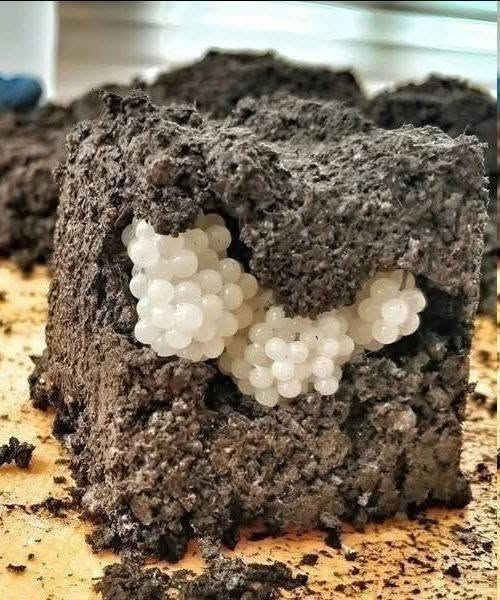
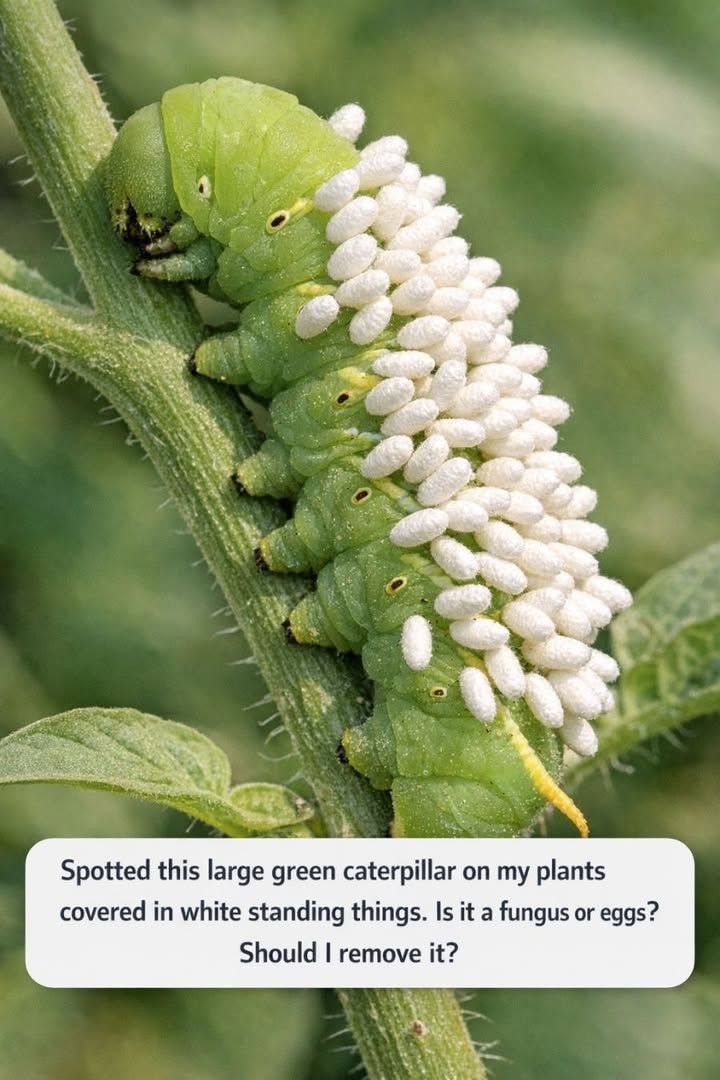
Are the White Worms Dangerous Parasites?
This is where social media can create unnecessary fear.
Seeing a tiny white, worm-like organism does not automatically mean you have discovered a human parasite.
Many insects have larval stages that look worm-like.
Some larvae associated with fruit are agricultural pests rather than human parasites.
A photograph cannot establish whether something is capable of infecting humans.
Therefore, statements such as “all these worms are deadly parasites” should not be accepted simply because they appear in a viral post.
The correct question is:
What organism is actually present?
Without identification, there is no reliable way to answer that from an image alone.
Can You Eat Fruit After Finding an Insect?
Accidentally eating a small insect is generally not considered dangerous for most people.
Humans routinely encounter tiny amounts of insects or insect fragments in agricultural foods.
That does not mean visibly infested or spoiled food should be eaten.
There is an important difference between accidental exposure to a tiny insect and deliberately eating fruit that is heavily contaminated or deteriorating.
Use common sense.
If the fruit looks fresh and only an occasional tiny insect is found, rinse and inspect it carefully.
If the fruit is heavily infested or spoiled, throw it away.
Why Strawberries Can Attract Insects
Strawberries contain natural sugars and water, making them attractive to various organisms.
As strawberries ripen, their aroma becomes stronger.
Damaged fruit can be particularly attractive because its tissues are easier for insects and microorganisms to access.
This is why inspecting berries before storing them is useful.
A single damaged strawberry can deteriorate faster than the others and may affect neighboring fruit.
Removing damaged berries can help protect the rest.
Don’t Let Strawberries Sit in Water for Hours
Another mistake is leaving berries submerged for a long time.
Strawberries are delicate.
Prolonged soaking can make them absorb water, become softer, and deteriorate more quickly.
If you choose to rinse or briefly soak produce for a specific reason, handle it gently and avoid unnecessarily long soaking periods.
For everyday washing, clean running water is a straightforward option.