Swish This Mixture in Your Mouth to Remove Coffee and Tea Stains? What You Should Know
Why “Natural” Doesn’t Always Mean Safe
This is one of the biggest problems with viral dental recipes.
People sometimes assume that natural ingredients are automatically gentle.
But many natural substances are chemically powerful.
Lemon juice is natural and acidic.
Vinegar is natural and acidic.
Essential oils are natural but can irritate tissues when used incorrectly.
Abrasive powders can be natural but still cause physical wear.
Your mouth contains delicate tissues that weren’t designed to tolerate unlimited exposure to random household ingredients.
What About Oil Pulling?
Oil pulling involves swishing an edible oil around the mouth for an extended period.
Some people report that it makes their mouth feel cleaner.
However, it shouldn’t be considered a proven replacement for brushing with fluoride toothpaste and cleaning between the teeth.
There is also no good reason to expect oil pulling to dramatically remove established coffee stains or restore damaged enamel.
If someone enjoys the practice and uses it safely, it should still be considered an optional habit rather than a substitute for established dental care.
The Safest Way to Deal With Coffee Stains
If coffee is causing surface discoloration, start with basic oral hygiene.
Brush your teeth twice a day using fluoride toothpaste.
Clean between your teeth regularly.
This helps remove plaque and food particles that can contribute to a dull or stained appearance.
Professional dental cleanings can also remove certain deposits and surface stains that ordinary brushing cannot eliminate effectively.
Don’t Brush Immediately After Acidic Drinks
Coffee itself can be somewhat acidic, and many people add sugar, flavored syrups, or other acidic ingredients.
If you’ve consumed an acidic beverage, brushing immediately afterward may not be ideal because the enamel surface can temporarily be more vulnerable to abrasion.
Rinsing with water and waiting before brushing can be a gentler approach.
Your dentist can give you personalized advice if you have significant enamel erosion or sensitivity.
Rinse With Plain Water
One of the simplest ways to reduce the effects of staining beverages is also one of the safest.
After drinking coffee or tea, rinse your mouth with plain water.
This helps clear some of the beverage residue and reduces the amount of time pigments and acids remain in contact with the teeth.
You don’t need a complicated recipe.
A simple water rinse can be part of a practical oral-care routine.
Use a Straw When Appropriate
For certain cold beverages, drinking through a straw can reduce contact between the liquid and the front surfaces of the teeth.
This isn’t always practical for hot coffee, of course.
But if you drink iced coffee, iced tea, or other staining beverages, a straw may reduce direct contact with the teeth.
The important thing is not to assume that a straw completely prevents staining.
It simply may reduce exposure.
Don’t Swish Coffee Around Your Mouth
This may sound obvious, but some people unconsciously hold beverages in their mouths or move them around before swallowing.
The longer a staining or acidic beverage remains in contact with the teeth, the more exposure occurs.
Drink normally rather than deliberately bathing your teeth in coffee or tea.
What About Sugar?
Sugar doesn’t directly create a brown coffee stain in the same way pigments do.
However, frequent sugar exposure feeds bacteria that contribute to plaque and tooth decay.
Many popular coffee drinks contain significant amounts of added sugar.
A coffee habit can therefore involve two separate concerns:
staining from the beverage itself and increased cavity risk from added sugar.
Reducing added sugar can benefit oral health even if it doesn’t completely eliminate staining.
Milk in Coffee: Does It Prevent Stains?
Adding milk to coffee may influence the way certain compounds interact with the teeth, but it should not be considered a reliable stain-prevention method.
If you enjoy coffee with milk, that’s fine.
But good oral hygiene remains more important than trying to manipulate the beverage’s chemistry.
What About Whitening Toothpaste?
Whitening toothpastes can help remove certain surface stains.
They generally do not dramatically change the natural color of the teeth in the way professional bleaching treatments can.
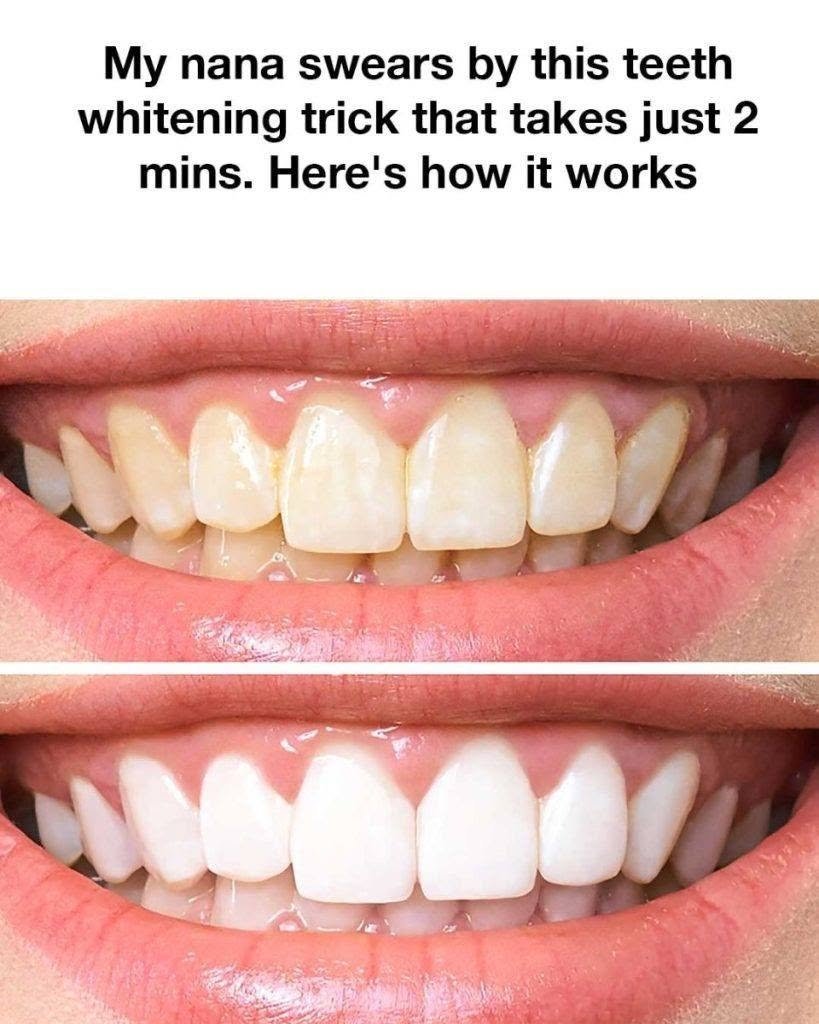
If your teeth have become darker because of coffee, tea, or other surface stains, a whitening toothpaste may help gradually improve their appearance.
However, people with sensitive teeth should be cautious because some whitening products can increase sensitivity.
Professional Whitening Is Different
Professional or dentist-supervised whitening uses products designed specifically for teeth.