The Five Drinks That Can Be Hardest on Your Bones — And What to Drink Instead
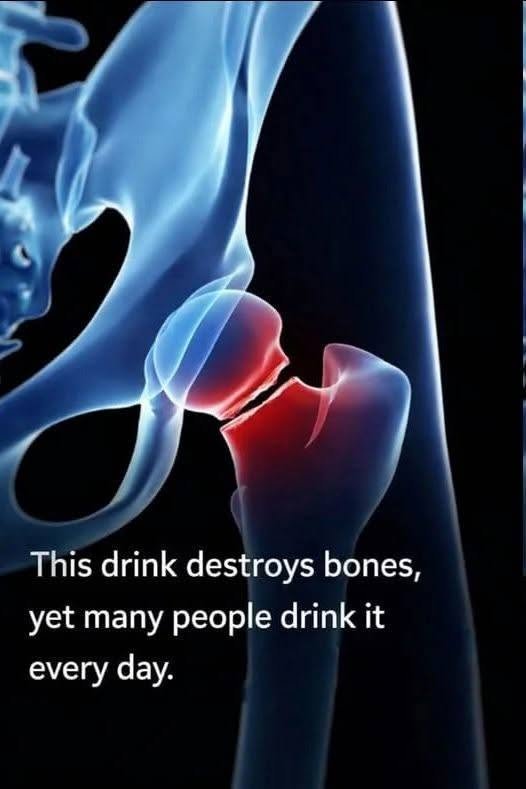
The image makes a dramatic claim: “This drink destroys bones, yet many people drink it every day.” It is an attention-grabbing message, but the truth is more nuanced.
There is no single drink that instantly “destroys” your bones. Bone health is influenced by your overall diet, calcium and vitamin D intake, physical activity, age, hormones, smoking, alcohol consumption, medications, genetics, and many other factors.
However, some beverages can become a problem when consumed frequently or in large amounts. They may contribute to poorer bone health directly, or indirectly by replacing nutritious foods and drinks that provide calcium, protein, and other nutrients.
Here are five categories worth paying attention to.
1. Cola and Other Sugar-Sweetened Soft Drinks
Cola is probably the drink most often associated with concerns about bone health.
Regular cola can contain substantial amounts of added sugar, and many cola beverages also contain caffeine and phosphoric acid. Research has found associations between high consumption of cola or sugar-sweetened carbonated beverages and lower bone mineral density, although that does not prove that cola directly “eats away” at bones.
One important point is often missed in viral posts:
The bubbles themselves are not the main problem.
Carbonation does not simply pull calcium out of your bones.
The bigger concern is the overall nutritional pattern associated with frequent cola consumption. Someone who drinks several cans of soda every day may be consuming a lot of added sugar while getting fewer calcium-rich foods and beverages.
Caffeinated cola may also contribute to calcium losses when caffeine intake is high, particularly when the diet does not provide enough calcium.
Another issue is that soft drinks can replace milk, fortified beverages, or other nutritious choices.
So an occasional cola is very different from drinking large amounts every day.
A better approach
You don’t necessarily have to eliminate every fizzy drink.
Try replacing some servings with:
Water
Sparkling water
Unsweetened tea
Milk
Calcium-fortified unsweetened beverages
If you enjoy cola, moderation is more realistic than believing that one glass will suddenly damage your skeleton.
2. Heavy Alcohol Consumption
Alcohol is much more clearly associated with poor bone health when consumed excessively.
Heavy alcohol use can interfere with several processes involved in maintaining strong bones. It can affect nutrition, calcium balance, hormones, muscle function, and the body’s ability to maintain healthy bone tissue.
It can also increase the risk of falls.
That combination matters because a fracture isn’t caused only by weak bones. A person who drinks heavily may have both reduced bone strength and a greater risk of falling.
Over time, heavy alcohol consumption can therefore increase fracture risk.
This doesn’t mean that every alcoholic drink immediately harms your skeleton. The concern is primarily excessive or chronic consumption.
For people who drink alcohol, moderation is important. People with osteoporosis or a high fracture risk should discuss alcohol consumption with their healthcare professional.
3. Very High-Caffeine Drinks
Coffee itself is not a “bone-destroying” beverage.
For most people, moderate coffee or tea consumption can fit into a healthy diet.
The concern arises when caffeine intake becomes very high, especially when someone isn’t consuming enough calcium.
Caffeine can cause a small increase in calcium loss through urine. Under normal circumstances, the body can generally compensate, particularly when dietary calcium is adequate.
The problem becomes more relevant when someone consumes large quantities of caffeine while having a poor diet.
Think about someone who drinks several large coffees or energy drinks throughout the day but rarely consumes calcium-rich foods.
That is a very different situation from someone who drinks one or two cups of coffee with a balanced diet.
What about energy drinks?
Energy drinks deserve special attention because some contain:
Large amounts of caffeine
Added sugar
Other stimulants
Large serving sizes
A person consuming several energy drinks every day may be getting a substantial amount of caffeine and sugar while replacing healthier beverages.
If you enjoy coffee, you don’t necessarily need to give it up.
The bigger goal is to avoid excessive caffeine and make sure your diet provides adequate calcium and other nutrients.
4. Sugary Drinks and Sweetened Fruit Beverages
Not every beverage that looks like fruit juice is nutritionally equivalent to eating whole fruit.
Many fruit-flavored drinks, sweet teas, punches, and juice beverages contain substantial amounts of added sugar while providing relatively little fiber.
Frequent consumption can contribute to excessive calorie intake and poorer overall diet quality.
The relationship between sugar-sweetened beverages and bone health is complicated. Researchers have found associations between high intake of these drinks and lower bone mineral density in some populations, but it would be inaccurate to say that sugar directly dissolves bones.
A more practical concern is what happens when sugary drinks become a major part of someone’s diet.
For example, a person who drinks several sweetened beverages every day may consume hundreds of calories from liquids while eating fewer nutrient-rich foods.
That can make it harder to obtain:
Calcium
Vitamin D
Protein
Magnesium
Potassium
Vitamin K
Other nutrients important for overall health
Whole fruit is different
Eating an orange, apple, berries, kiwi, or another whole fruit provides fiber and nutrients that are often missing from sugary drinks.
Water and whole fruit are generally better everyday choices than heavily sweetened beverages.