The Vitamin Your Body May Lack When Your Legs and Bones Hurt
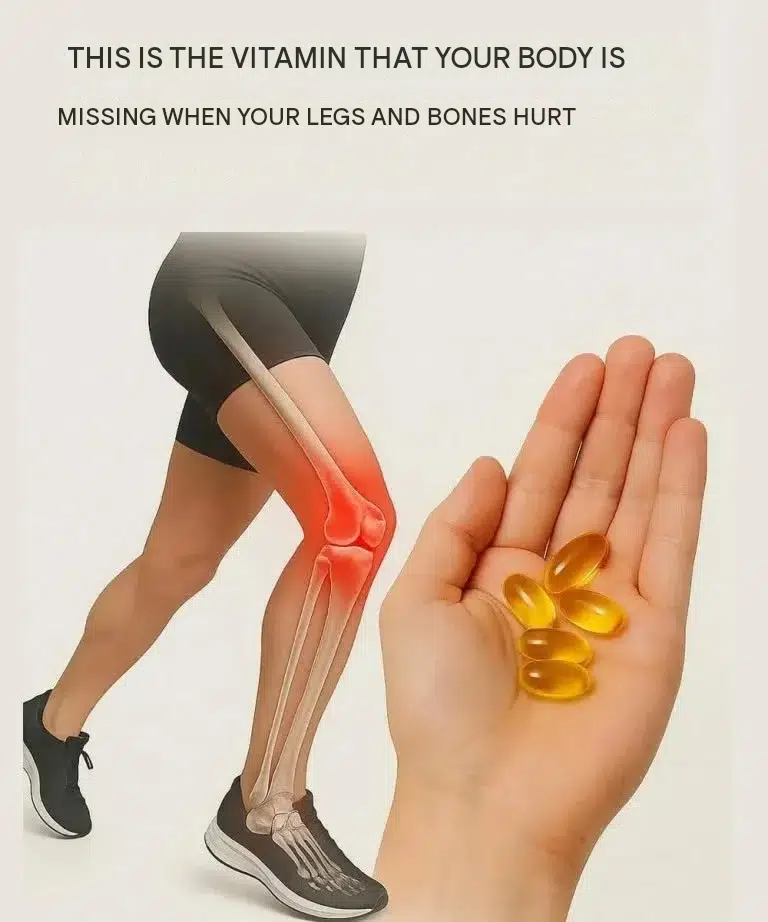
Pain in the legs and bones can sometimes be related to a vitamin or mineral deficiency, and one of the nutrients most strongly associated with bone and muscle health is vitamin D.
Vitamin D helps the body absorb calcium and plays an important role in maintaining healthy bones and muscles. When vitamin D levels become too low, some people may develop bone discomfort, muscle weakness, aches, or difficulty performing activities that were previously easy.
But there is an important point that viral health posts often leave out:
Leg or bone pain does not automatically mean you have a vitamin D deficiency.
Many different conditions can cause pain in the legs, muscles, joints, or bones. Vitamin D deficiency is only one possible explanation.
Why Vitamin D Is Important for Your Bones
Vitamin D has an important relationship with calcium.
Calcium is one of the main minerals that gives bones their strength and structure. Your body needs enough vitamin D to absorb calcium efficiently from the digestive tract.
When vitamin D levels are too low for a prolonged period, calcium metabolism can be affected and bones may become weaker.
In severe deficiency, adults can develop a condition called osteomalacia, in which bones become softer and can cause bone pain and muscle weakness.
This is different from osteoporosis.
Osteoporosis involves reduced bone density and increased fracture risk, while osteomalacia is related to inadequate mineralization of newly formed bone.
Both conditions require proper medical evaluation.
What Does Vitamin D Deficiency Feel Like?
Some people with low vitamin D have no obvious symptoms.
When symptoms do occur, they can be nonspecific.
Possible symptoms include:
Muscle aches
Muscle weakness
Bone discomfort
General fatigue
Difficulty climbing stairs
Difficulty getting up from a chair
Reduced physical strength
Increased risk of bone problems
Pain associated with significant vitamin D deficiency may sometimes be described as a deep, aching discomfort rather than the sharp pain associated with an injury.
However, these symptoms can occur with many other conditions.
That’s why symptoms alone cannot establish that vitamin D is the cause.
Why Legs May Hurt When Vitamin D Is Low
Vitamin D is involved in normal muscle function as well as bone metabolism.
When vitamin D deficiency becomes significant, muscle weakness can develop.
The weakness may particularly affect the muscles around the hips and thighs.
A person might notice that climbing stairs feels harder than usual or that getting up from a low chair requires more effort.
Some people may also experience generalized muscle aches.
This doesn’t mean that every person with leg pain needs vitamin D.
For example, pain caused by a muscle injury, arthritis, nerve irritation, circulation problems, or other conditions would not necessarily improve simply by taking vitamin D.
Vitamin D Is Not the Only Nutrient Involved
The image suggests that one vitamin is responsible whenever legs and bones hurt.
That’s too simplistic.
Bone and muscle health depend on many nutrients and body systems.
Important nutrients include:
Calcium
Calcium is essential for maintaining bone structure and normal muscle function.
Low calcium can occur for different reasons, including inadequate intake, certain medical conditions, or problems with vitamin D metabolism.
Magnesium
Magnesium participates in numerous biochemical reactions and contributes to normal muscle and nerve function.
A deficiency can sometimes cause muscle cramps, weakness, or abnormal sensations.
Vitamin K
Vitamin K is involved in normal blood clotting and bone-related processes.
It is found in foods such as leafy green vegetables.
Vitamin B12
Vitamin B12 deficiency can affect the nervous system and may cause numbness, tingling, weakness, or balance problems.
This is particularly important because someone experiencing leg symptoms might mistakenly assume the problem is coming from the bones when nerves are actually involved.