The Five Drinks That Can Be Hardest on Your Bones — And What to Drink Instead
This category may surprise people.
Coffee itself isn’t necessarily the problem.
The issue is what can be added to it.
Some large specialty coffee drinks can contain significant amounts of:
Added sugar
Syrups
Whipped cream
Sweetened sauces
Large amounts of milk or cream
A drink that looks like “coffee” can sometimes contain more sugar and calories than an entire meal.
If someone consumes these beverages frequently, they can contribute to excess calorie intake and make a nutritious eating pattern more difficult.
There is also the caffeine issue.
A moderate coffee habit is very different from drinking several oversized, highly caffeinated beverages every day.
If you enjoy coffee, consider gradually reducing the amount of syrup and added sugar rather than assuming that coffee itself is harmful to your skeleton.
What About Sparkling Water?
This is where viral bone-health posts often go wrong.
People sometimes hear that “carbonated drinks weaken bones” and assume that all fizzy beverages are dangerous.
That’s not accurate.
Plain sparkling water is not the same as cola.
Carbonation itself isn’t considered a bone-destroying ingredient.
Unsweetened sparkling water can be a useful alternative for people who enjoy the sensation of soda but want to reduce their intake of sugar.
Flavored sparkling water without added sugar can also be an option.
The important distinction is between carbonated water and highly sweetened soft drinks.
What About Diet Soda?
Diet soda doesn’t contain the same amount of sugar as regular soda, but that doesn’t automatically make it a bone-health drink.
Research on diet beverages and bone health is complicated because people who consume them may differ in many other lifestyle and dietary factors.
A diet soft drink occasionally is very different from drinking multiple cans every day.
For hydration and everyday nutrition, water remains a simple choice.
The Bigger Problem: What Are You Replacing?
One of the most important questions isn’t simply:
“Does this drink damage bones?”
A better question is:
“What am I drinking instead of something nutritious?”
Imagine two people.
Person A drinks one coffee in the morning, eats yogurt, vegetables, fish, beans, fruit, and other nutrient-rich foods, exercises regularly, and gets adequate calcium and vitamin D.
Person B drinks several sugary sodas and energy drinks throughout the day, rarely eats calcium-rich foods, doesn’t exercise, and consumes little protein.
The second person’s bone-health risk is influenced by the entire lifestyle—not one particular beverage.
This is why sensational headlines can be misleading.
What Should You Drink for Strong Bones?
There is no magical “bone-strengthening drink,” but some choices make it easier to maintain a nutritious diet.
Water
Water should be the foundation of hydration for most people.
It provides hydration without added sugar or excessive caffeine.
Milk
Milk provides calcium and protein and is also commonly fortified with vitamin D.
For people who tolerate dairy, it can be a convenient bone-supportive beverage.
Fortified Plant-Based Beverages
Some soy, almond, oat, or other plant-based beverages are fortified with calcium and vitamin D.
Check the nutrition label because fortification varies between products.
Unsweetened versions can help reduce added sugar.
Unsweetened Tea
Tea can be a good low-calorie beverage.
Some research has even investigated potential beneficial relationships between tea consumption and bone health.
If you add several spoonfuls of sugar, however, the nutritional picture changes.
Water With Fruit
Adding lemon, lime, berries, cucumber, or mint to water can make it more appealing without turning it into a sugary drink.
Bone Health Is About More Than Drinks
Even the perfect beverage cannot compensate for a poor overall lifestyle.
Your skeleton is living tissue.
It is constantly being broken down and rebuilt.
To support this process, your body needs adequate nutrition and regular physical activity.
Get enough calcium
Calcium is one of the major minerals in bone.
Good sources include:
Milk
Yogurt
Cheese
Calcium-fortified beverages
Certain fish eaten with edible bones
Tofu made with calcium
Beans
Some leafy green vegetables
Your individual calcium needs depend on age and other factors.
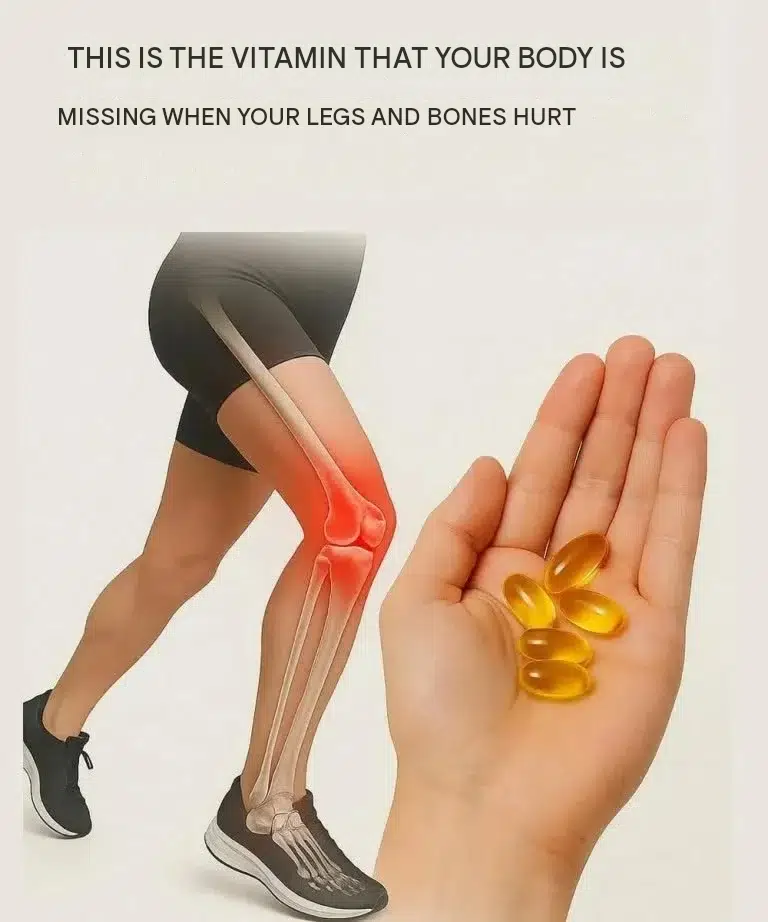
Don’t forget vitamin D
Vitamin D helps the body absorb calcium.
Sources include certain foods, fortified foods, and sunlight exposure.
Some people may require supplementation, but taking large doses without medical advice isn’t necessarily beneficial.
Eat enough protein
Bone isn’t made of calcium alone.
Protein provides important structural components for the body, including bone tissue.
Good sources include fish, eggs, dairy products, beans, lentils, poultry, nuts, seeds, and other protein-rich foods.
Exercise
Weight-bearing and resistance exercise are particularly important for maintaining bone strength.
Walking, climbing stairs, dancing, strength training, and other appropriate activities can help stimulate the bones and maintain muscle strength.
Strong muscles also help protect against falls.
Don’t smoke
Smoking is associated with poorer bone health and increased fracture risk.
Quitting smoking can benefit your bones as well as your heart, lungs, and overall health.