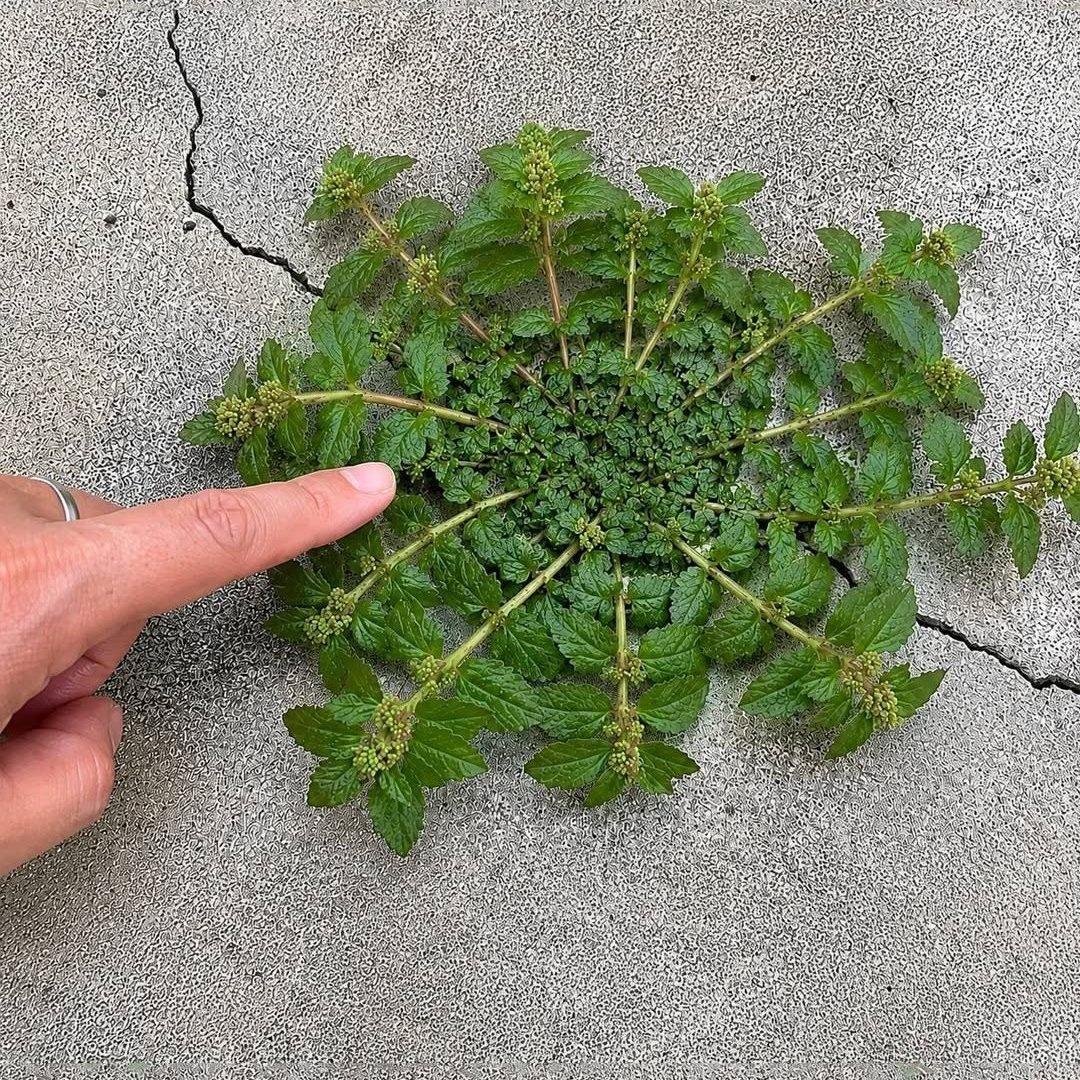
Thyme for Knee Pain: Can This Herb Really Help Rebuild Cartilage?
Depending on the diagnosis and individual medical history, treatments for knee osteoarthritis may include topical anti-inflammatory medication, oral medication, physical therapy, or other approaches.
Topical nonsteroidal anti-inflammatory drugs are often considered for knee osteoarthritis because they can provide pain relief with less systemic exposure than oral versions.
However, they still have potential risks, and the best option depends on the person.
Oral anti-inflammatory medicines may not be suitable for people with certain kidney problems, stomach ulcers, cardiovascular conditions, or medication interactions.
A clinician or pharmacist can help identify an appropriate treatment.
If symptoms remain severe despite nonsurgical treatment, an orthopedic specialist can discuss additional options based on the extent of the joint damage and the person’s goals.
Does Diet Influence Cartilage Health?
Diet cannot guarantee that cartilage will remain healthy, and no single food can reverse established osteoarthritis.
However, a balanced eating pattern supports overall health and can help people maintain an appropriate body weight.
Several general principles are useful.
Eat a variety of vegetables and fruits. These provide vitamins, minerals, fiber, and plant compounds that support normal bodily functions.
Include sufficient protein. Protein helps maintain muscle mass, which is important for supporting movement and joint function.
Choose healthy sources of fat. Foods such as olive oil, nuts, seeds, and oily fish can form part of a balanced diet.
Maintain adequate vitamin D and calcium intake. These nutrients are important for bone health, although taking extra supplements does not automatically improve knee osteoarthritis.
Avoid extreme diets. Severe food restrictions may make it harder to obtain the nutrients needed for general health.
Thyme can be included among the herbs used to flavor meals, but it should be viewed as one small component of a broader eating pattern.
What About Other Natural Remedies for Cartilage?
Many foods and supplements are promoted as cartilage-building remedies. Their evidence varies considerably.
Turmeric and curcumin
Some studies suggest that curcumin supplements may improve osteoarthritis symptoms in certain people. However, study quality, formulations, and doses vary, and the evidence does not establish that turmeric rebuilds cartilage.
Concentrated supplements can also interact with medications and may cause side effects.
Ginger
Ginger has been investigated for its potential effects on pain and inflammation. Some people may experience modest symptom relief, but evidence is limited and inconsistent.
It has not been shown to regenerate worn knee cartilage.
Glucosamine and chondroitin
These supplements are frequently marketed for joint health.
Research on their effectiveness for knee osteoarthritis has produced mixed results, and major clinical recommendations differ in their assessments. They should not be assumed to restore cartilage.
People considering supplements should discuss them with a healthcare professional, particularly if they take anticoagulants or other regular medication.
Collagen supplements
Collagen products are also marketed for joint health. Some studies suggest possible improvements in symptoms, but results vary by product and study design.
There is not sufficient evidence to conclude that collagen supplements reliably rebuild damaged articular cartilage in people with osteoarthritis.
The broader lesson is that a substance may have a plausible biological mechanism without being a proven treatment.
When Should Knee Pain Be Medically Assessed?
Not every episode of knee pain requires urgent care, but certain symptoms should not be ignored.
Seek prompt medical assessment if the knee becomes suddenly very painful, markedly swollen, red, or hot, particularly if you also have a fever.
These symptoms can sometimes indicate a joint infection or another condition requiring urgent treatment.
You should also seek assessment if:
You cannot put weight on the affected leg.
The knee becomes locked or gives way repeatedly.
Pain follows a significant injury.
Swelling develops rapidly after an injury.
Pain repeatedly interrupts sleep or everyday activities.
Symptoms persist or progressively worsen despite reasonable self-care.
A healthcare professional can examine the knee, determine whether further testing is needed, and recommend treatment based on the underlying cause.
Early assessment is particularly important when symptoms are severe or unusual.
The Bottom Line: Thyme Is an Herb, Not a Proven Cartilage Regenerator
Thyme is a flavorful culinary herb containing compounds that scientists continue to investigate for their potential biological effects.
It can be used to prepare a simple herbal infusion or add flavor to meals. For many people, that is a reasonable way to enjoy it.
However, there is currently no convincing clinical evidence that thyme rebuilds knee cartilage or reverses osteoarthritis. Claims promising cartilage regeneration in a few days or weeks go beyond what the available evidence supports.
For people experiencing knee pain, the most useful strategy is to identify the cause, maintain appropriate physical activity, strengthen supporting muscles, manage body weight when necessary, and discuss evidence-based treatment options with a healthcare professional.
Natural remedies may have a place in a person’s routine, but they should complement—not replace—care that has been shown to help manage joint symptoms.
Protecting knee function is usually a long-term process. The goal is to reduce pain, preserve mobility, and maintain quality of life through realistic, sustainable measures rather than relying on a single ingredient to repair damaged cartilage.