Waking Up with Dry Mouth? Here’s What Your Body Might Be Telling You
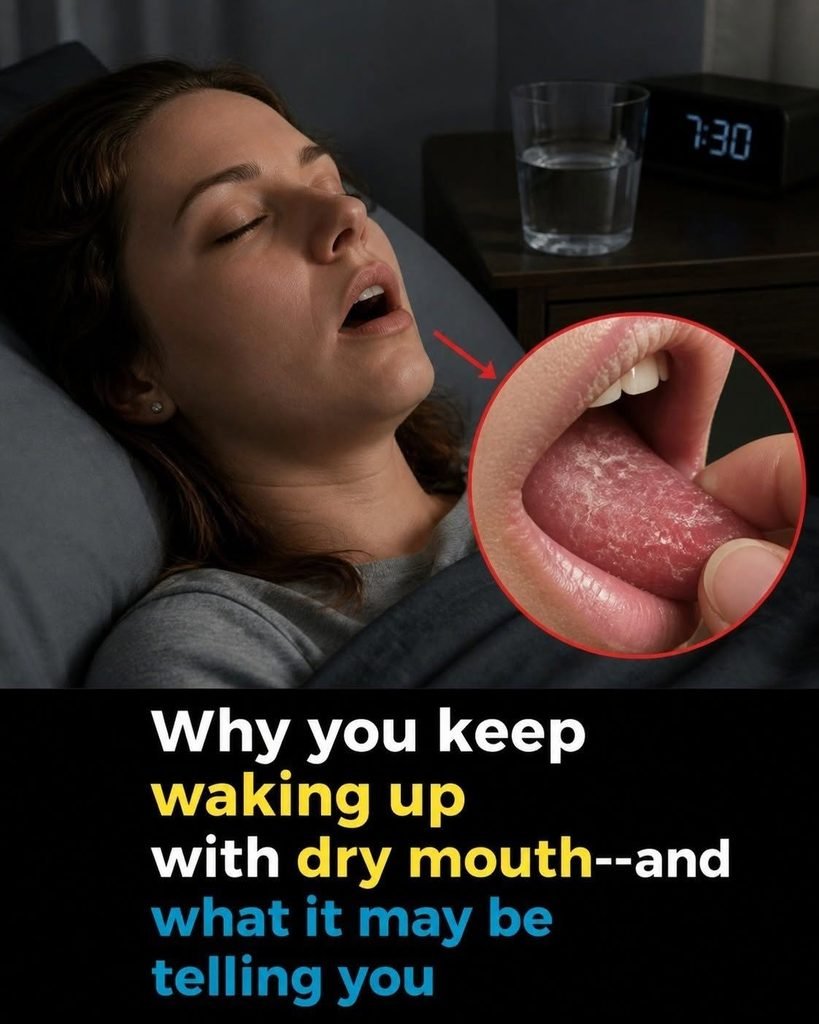
Have you ever woken up in the middle of the night or first thing in the morning with a dry, sticky mouth, a rough tongue, or an intense desire to drink water? Perhaps you keep a glass of water beside your bed because your mouth feels uncomfortable every morning.
Occasional dry mouth is common and often has a simple explanation. However, if it happens regularly, it may be related to your sleeping habits, medications, hydration, or an underlying health condition.
Understanding why your mouth becomes dry during sleep can help you identify the possible cause and find ways to feel more comfortable.
1. Breathing Through Your Mouth While Sleeping
One of the most common reasons for waking up with a dry mouth is breathing through your mouth instead of your nose.
Your saliva helps keep your mouth moist and protects your teeth and oral tissues. When you sleep with your mouth open, air passing over these surfaces can increase moisture loss.
Several factors can encourage mouth breathing, including nasal congestion, allergies, a deviated nasal septum, and certain sleeping positions.
You may notice:
Dryness immediately after waking.
Chapped lips.
Bad breath in the morning.
A sticky feeling on your tongue.
A sore or irritated throat.
What can help?
Try to identify whether nasal congestion is making it difficult to breathe through your nose. Managing allergies or other causes of congestion may help, depending on the underlying problem.
Keep your bedroom comfortably humid if the air is very dry, and drink enough water throughout the day.
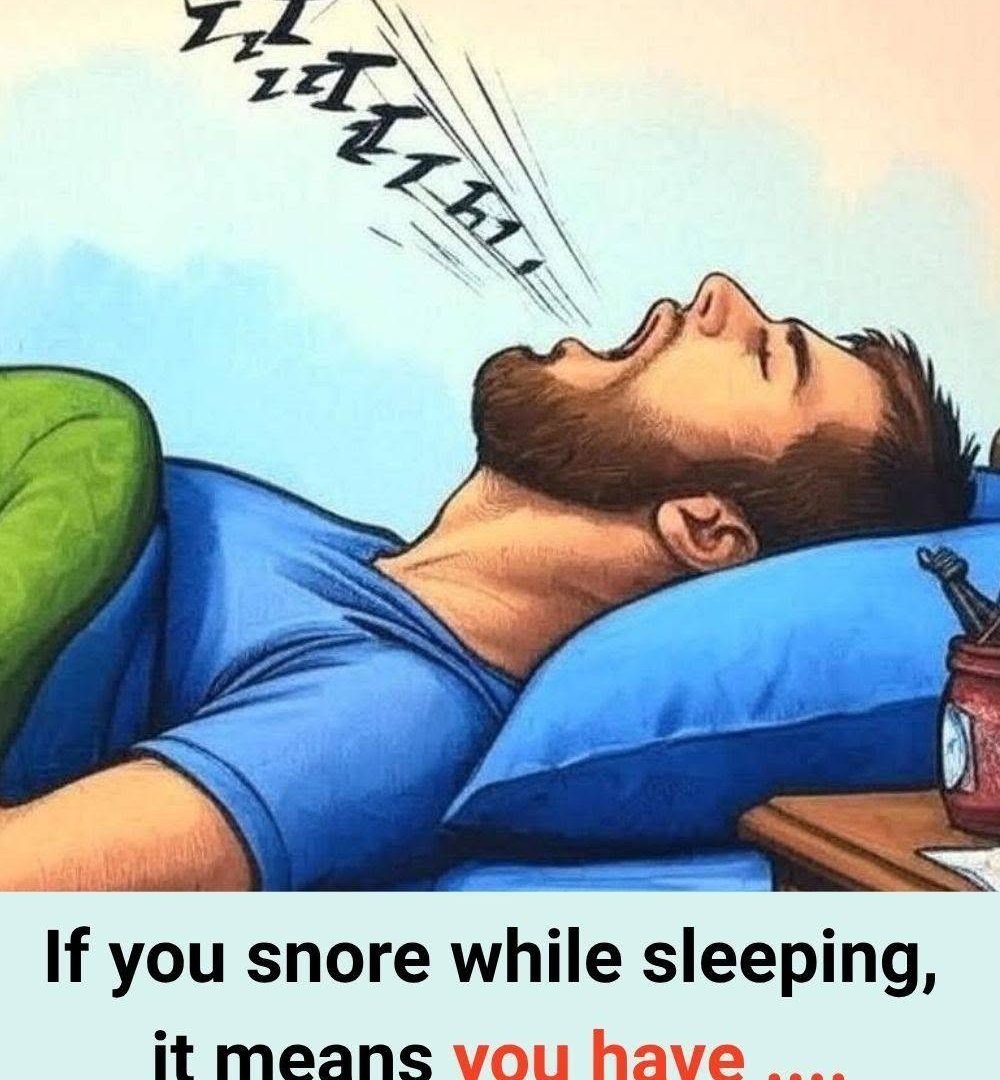
If you regularly snore, wake up gasping, or feel excessively sleepy during the day, discuss these symptoms with a healthcare professional.
Avoid taping your mouth shut during sleep, particularly if you have nasal obstruction or possible sleep apnea.
2. Dehydration
Your body loses water throughout the day through breathing, sweating, urination, and other normal processes.
If you do not replace enough of these fluids, you may become dehydrated. Reduced hydration can contribute to a dry mouth and a feeling of thirst when you wake up.
The risk may increase after exercise, during hot weather, or when you have experienced fever, vomiting, or diarrhea.
Other possible signs of dehydration include:
Feeling unusually thirsty.
Darker-than-usual urine.
Urinating less frequently.
Dizziness or lightheadedness.
Fatigue.
These symptoms are not specific to dehydration, but they can provide useful clues.
What can help?
Drink water regularly throughout the day rather than waiting until you feel very thirsty.
You may need more fluids during hot weather or after physical activity, depending on your circumstances.
If you have a medical condition that requires fluid restriction, follow your healthcare professional’s recommendations instead of increasing your intake on your own.
Persistent dry mouth despite adequate hydration may have another cause.