Waking Up with Dry Mouth? Here’s What Your Body Might Be Telling You
Certain habits can contribute to dry mouth or make it more noticeable.
Alcohol may contribute to dehydration and can irritate oral tissues.
Smoking and other tobacco use can affect oral health and may worsen dryness.
Caffeine affects people differently. Although ordinary coffee or tea consumption does not automatically cause dehydration in habitual users, caffeinated drinks may aggravate symptoms in some people.
If you frequently wake up with a dry mouth, consider whether evening alcohol, tobacco, or large amounts of caffeine may be contributing.
Try drinking water regularly during the day and limiting alcohol, especially close to bedtime.
Avoid tobacco products to protect your oral health and overall well-being.
9. Vitamin Deficiencies and Other Medical Conditions
Some medical conditions can affect saliva production, oral tissues, or the nerves involved in salivary function.
For example, Sjögren syndrome is an autoimmune condition that can reduce saliva and tear production.
People with Sjögren syndrome may experience persistent dry mouth, dry eyes, difficulty swallowing dry foods, and an increased risk of dental problems.
Other conditions and treatments can also contribute to dryness.
Vitamin deficiencies may affect oral health in certain circumstances, but waking up with a dry mouth does not establish that you lack a particular vitamin.
Taking supplements without identifying a deficiency is unlikely to resolve every case.
If your symptoms are persistent, particularly if you also have dry eyes, difficulty swallowing, or other unexplained symptoms, seek medical advice.
10. How to Relieve Dry Mouth Naturally
Several simple measures may help improve comfort while you investigate the cause.
Drink Water Regularly
Keep water available and drink according to your needs throughout the day.
A small drink before bed may help if you are thirsty, but avoid forcing yourself to drink excessive amounts immediately before sleeping.
Try Sugar-Free Gum
Chewing sugar-free gum during the day can stimulate saliva production.
Products containing xylitol may also help reduce the risk of tooth decay when used appropriately.
Do not give chewing gum to young children who may choke on it.
Use a Humidifier if Needed
If your bedroom air is very dry, a clean humidifier may improve comfort.
Follow the manufacturer’s cleaning instructions to prevent the device from becoming a source of mold or microorganisms.
Maintain Good Oral Hygiene
Brush your teeth twice daily with fluoride toothpaste and clean between your teeth regularly.
Dry mouth reduces the protective effects of saliva and can increase the risk of cavities.
If dryness persists, a dentist may recommend fluoride products or saliva substitutes.
Consider a Dry-Mouth Product
Saliva substitutes and moisturizing oral gels are available in many pharmacies.
A pharmacist or dentist can help you choose an appropriate product, particularly if the dryness is caused by medication.
Address Nasal Congestion
If allergies or nasal obstruction are making you breathe through your mouth, treating the underlying cause may help.
Ask a healthcare professional or pharmacist which treatments are appropriate for your symptoms and medical history.
11. When Should You See a Doctor?
Occasional morning dryness is usually not a cause for alarm. However, persistent symptoms deserve attention.
Arrange a medical or dental appointment if:
Your mouth remains dry throughout the day.
The problem continues despite adequate hydration.
You have difficulty swallowing or speaking.
You develop frequent cavities or mouth infections.
You experience persistent dry eyes as well as dry mouth.
You take medications that may be contributing.
You have increased thirst and frequent urination.
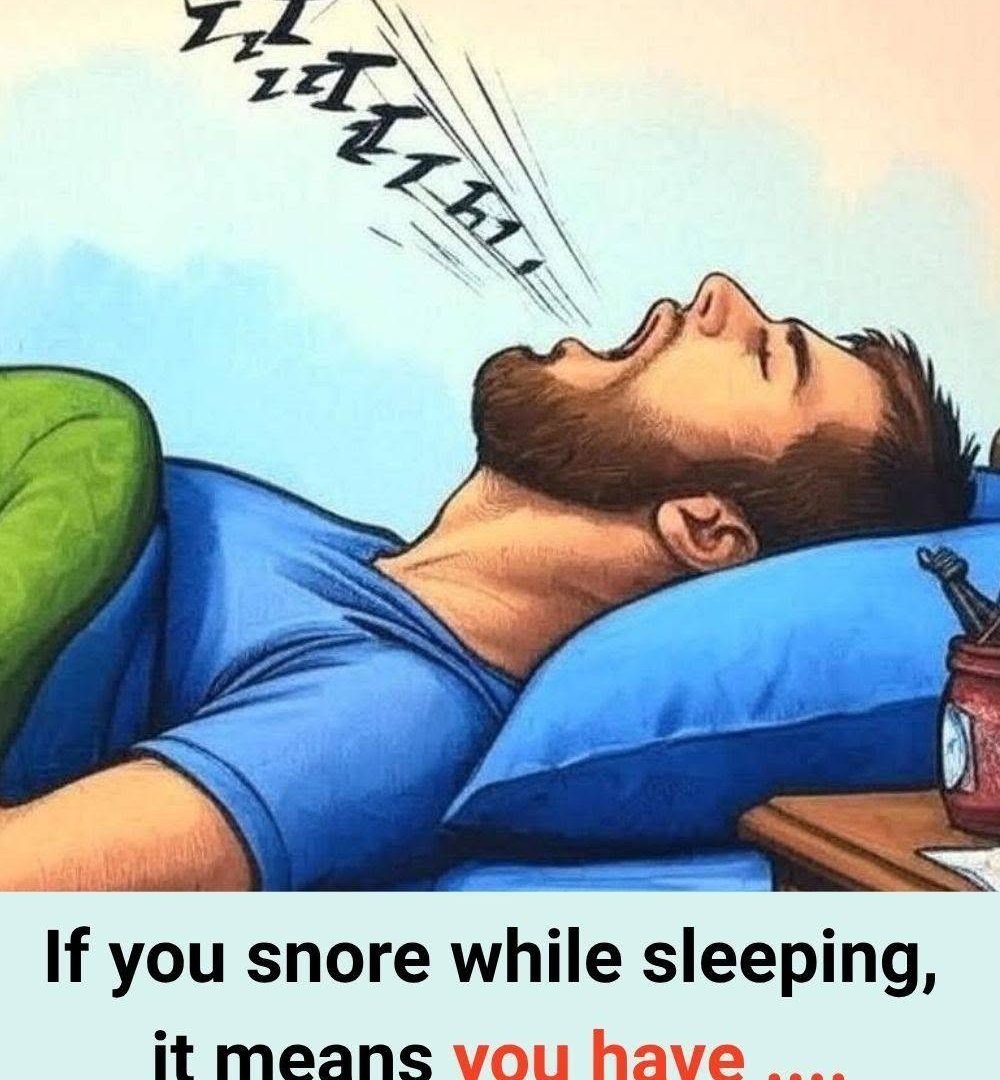
You snore loudly or wake up gasping for air.
Seek urgent medical care if dry mouth occurs alongside severe dehydration symptoms, confusion, fainting, or an inability to swallow fluids.
The right treatment depends on the underlying cause, so identifying that cause is more effective than relying on a single home remedy.
Final Thoughts
Waking up with a dry mouth can result from mouth breathing, dehydration, medication side effects, snoring, reduced saliva production, or certain medical conditions.
In many cases, simple changes to hydration, bedroom conditions, and oral care can improve comfort.
However, persistent dry mouth should not automatically be dismissed as dehydration or treated by drinking excessive amounts of water before bed.
Pay attention to accompanying symptoms, review possible medication effects with a healthcare professional, and seek evaluation if the problem continues.
A few practical changes may be enough to help you wake up feeling more comfortable, while identifying an underlying condition can protect your sleep, teeth, and overall health.