Waking Up with Numb or Tingling Hands: What It Really Means
Vitamin B12 is essential for normal nerve function and the production of healthy red blood cells.
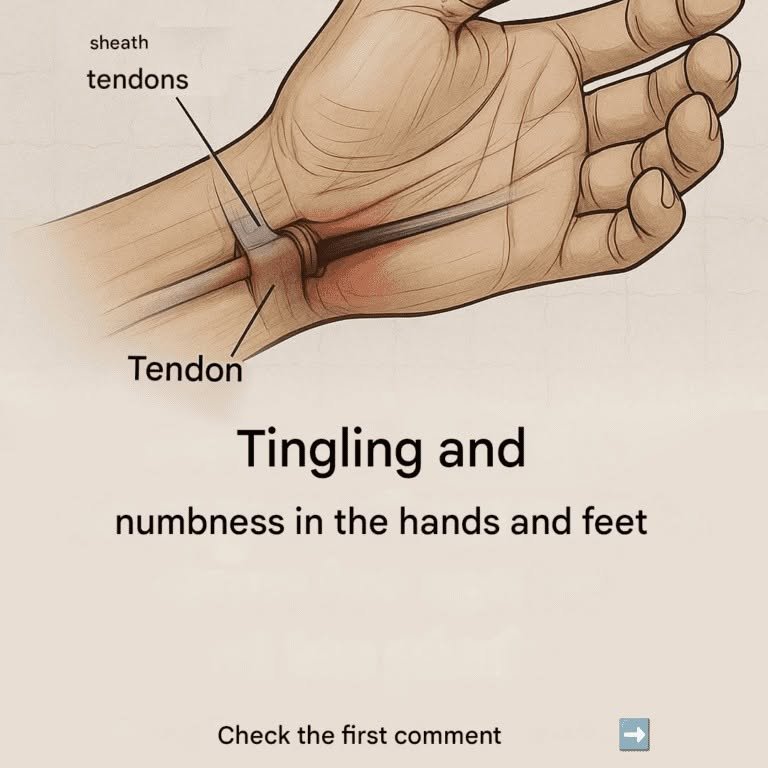
When the body does not have enough vitamin B12, nerve damage can develop. Symptoms may include tingling in the hands and feet, numbness, balance problems, and difficulty walking.
Some people also experience fatigue, weakness, or cognitive changes.
The risk of deficiency may be higher in people with certain digestive conditions, those who follow diets containing little or no animal-derived food without appropriate supplementation, and people whose medications interfere with B12 absorption.
However, numb hands alone do not establish that a vitamin deficiency is present.
What you can do: If tingling is persistent or accompanied by balance problems, unusual fatigue, or numbness in the feet, consult a healthcare professional.
A blood test may help determine whether vitamin B12 deficiency or another condition is responsible.
Avoid taking high-dose supplements as a substitute for investigating persistent neurological symptoms.
7. Reduced Circulation or Blood Vessel Problems
Changes in blood flow can sometimes cause unusual sensations in the hands.
For example, Raynaud’s phenomenon can cause the fingers to change color and become cold or numb, particularly when exposed to cold temperatures or emotional stress.
The fingers may turn white, then bluish, and eventually red as blood flow returns.
However, ordinary hand numbness during sleep is more often related to nerve compression than to a serious circulation problem.
Symptoms that suggest a circulation issue may include:
Fingers that become unusually cold.
Noticeable changes in skin color.
Pain associated with cold exposure.
Symptoms that improve as the hands warm up.
Seek urgent medical attention if a hand suddenly becomes cold, pale or blue, severely painful, or persistently numb. These symptoms may indicate a serious problem with blood flow.
8. Thyroid Problems
An underactive thyroid, known as Hypothyroidism, can contribute to nerve problems and increase the likelihood of developing carpal tunnel syndrome in some people.
Other symptoms of hypothyroidism may include:
Persistent tiredness.
Feeling unusually cold.
Dry skin.
Constipation.
Unexplained weight gain.
These symptoms are not specific to thyroid disease, and many other conditions can cause similar problems.
If hand numbness occurs alongside several of these symptoms, a healthcare professional may consider checking thyroid function.
Treating an underlying thyroid disorder can help address related symptoms, although established nerve damage may require additional management.
9. When Hand Numbness Could Be an Emergency
Although many cases of nighttime hand numbness are caused by temporary nerve compression, certain symptoms require immediate attention.
A stroke can sometimes cause sudden numbness or weakness affecting one arm or one side of the body.
Seek emergency medical assistance immediately if numbness begins suddenly and is accompanied by any of the following:
Weakness or numbness on one side of the body.
Facial drooping.
Difficulty speaking or understanding speech.
Sudden loss of vision.
Severe dizziness or difficulty walking.
A sudden, unusually severe headache.
Do not assume that sudden symptoms are harmless simply because you have just woken up.
Chest discomfort, shortness of breath, sweating, or pain spreading to the arm or jaw may also indicate a medical emergency.
If symptoms suggest a stroke or heart attack, do not wait to see whether they disappear.
10. Simple Habits That May Help Prevent Nighttime Hand Numbness
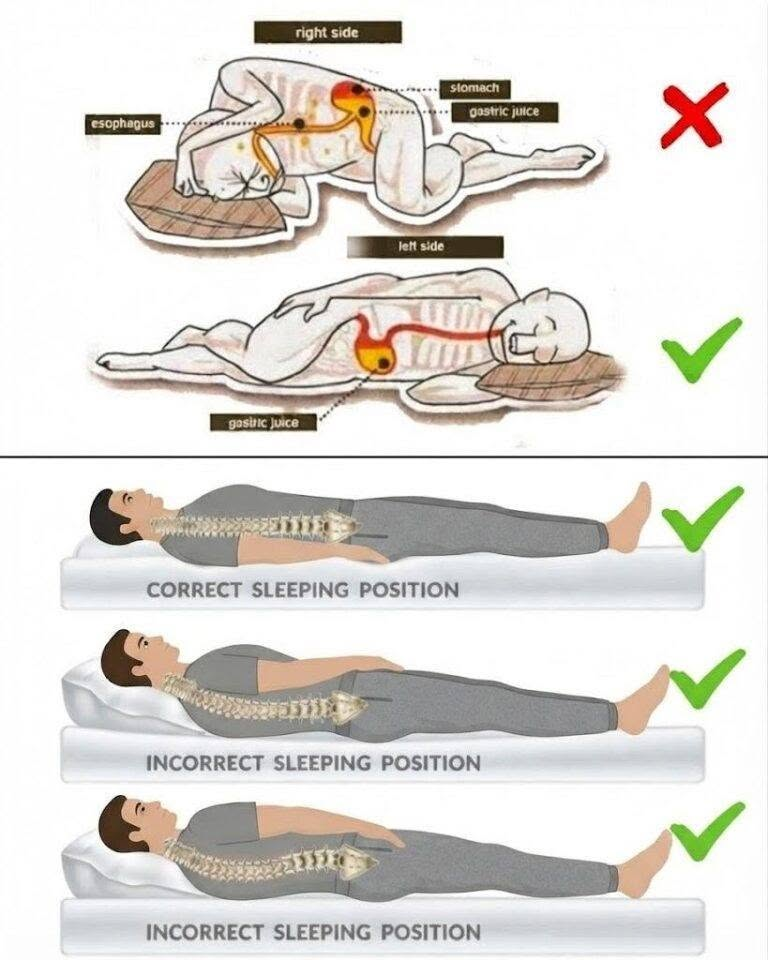
If your symptoms are mild and appear related to sleeping position, a few changes may help.
Keep Your Wrists Straight
Avoid sleeping with your wrists sharply bent. A neutral wrist position can reduce pressure on the nerves passing through the wrist.
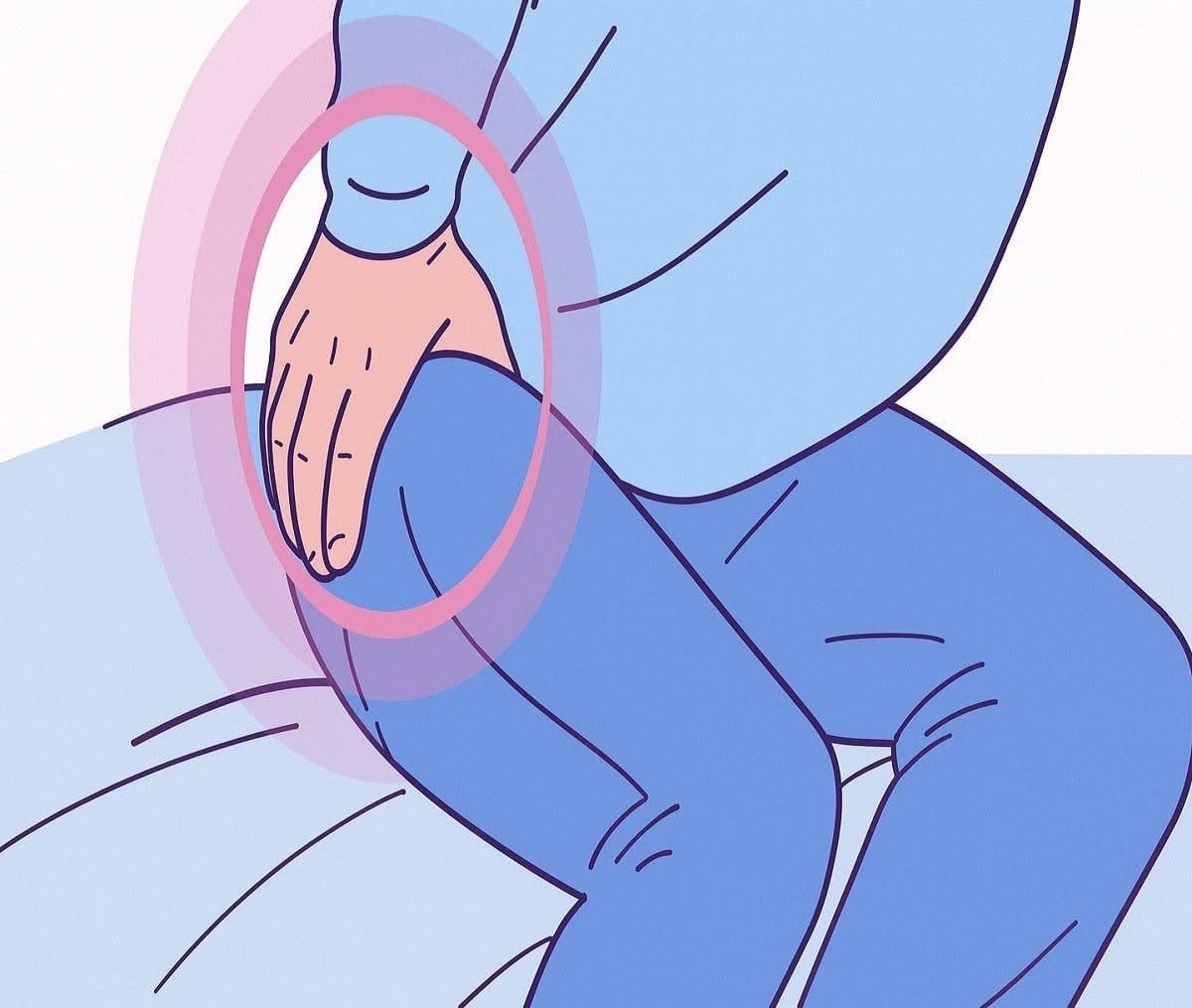
Avoid Sleeping on Your Arms
Try not to place your head or body weight directly on your arms or hands.
Adjust Your Pillow
Choose a pillow that supports your neck comfortably without forcing it into an awkward position.
Change Your Sleeping Position
If you regularly wake up with numbness in one hand, experiment with a position that keeps your shoulders, elbows, and wrists comfortable.
Take Breaks From Repetitive Activities
If your daily activities involve prolonged typing, gripping tools, or repetitive wrist movements, take regular breaks and avoid positions that strain your wrists.
Seek Medical Advice if Symptoms Continue
Simple adjustments may help temporary nerve compression, but they will not necessarily correct carpal tunnel syndrome, diabetes-related nerve damage, or a problem originating in the neck.
Persistent symptoms should be assessed rather than repeatedly treated at home without knowing the cause.
How Can You Tell Whether Your Symptoms Need Attention?
The pattern of numbness can provide useful clues, although it cannot establish a diagnosis on its own.
Symptom pattern
Possible explanation
Brief tingling that disappears after changing position
Temporary nerve compression
Numbness mainly in the thumb, index, and middle fingers
Carpal tunnel syndrome
Numbness mainly in the little and ring fingers
Ulnar nerve compression
Tingling accompanied by neck pain or radiating arm pain
Possible cervical nerve irritation
Persistent tingling in both hands and feet
Possible peripheral neuropathy or nutritional deficiency
Sudden numbness with weakness, facial drooping, or speech problems
Possible stroke requiring emergency care
These patterns are only general clues. A medical examination is needed to distinguish between possible causes.
Final Thoughts
Waking up with numb or tingling hands is common, and an awkward sleeping position is often responsible. However, recurring symptoms may indicate carpal tunnel syndrome, ulnar nerve compression, a neck problem, diabetes-related neuropathy, vitamin B12 deficiency, or another medical condition.
Pay attention to which fingers are affected, how long the symptoms last, and whether you experience pain or weakness.
If the numbness is frequent, persistent, worsening, or accompanied by loss of strength, arrange a medical assessment. If it begins suddenly with signs of a stroke or another emergency, seek immediate help.
A few adjustments to your sleeping position may be enough when temporary nerve compression is the cause. When symptoms persist, identifying the underlying problem is the most effective way to protect your hand function and overall health.