What Is Atorvastatin and Why Is It Commonly Prescribed?
Atorvastatin is a prescription medicine belonging to a group of medications called statins. It is primarily used to lower cholesterol, particularly LDL cholesterol, often referred to as “bad” cholesterol. It can also reduce the risk of serious cardiovascular events such as heart attacks and strokes in appropriate patients.
Because high cholesterol often causes no noticeable symptoms, a person may take atorvastatin without feeling any different. Its purpose is largely preventive: reducing cholesterol levels and helping lower the long-term risk associated with cholesterol buildup in the arteries.
How Does Atorvastatin Work?
Your liver naturally produces cholesterol. Atorvastatin works by inhibiting an enzyme involved in cholesterol production in the liver.
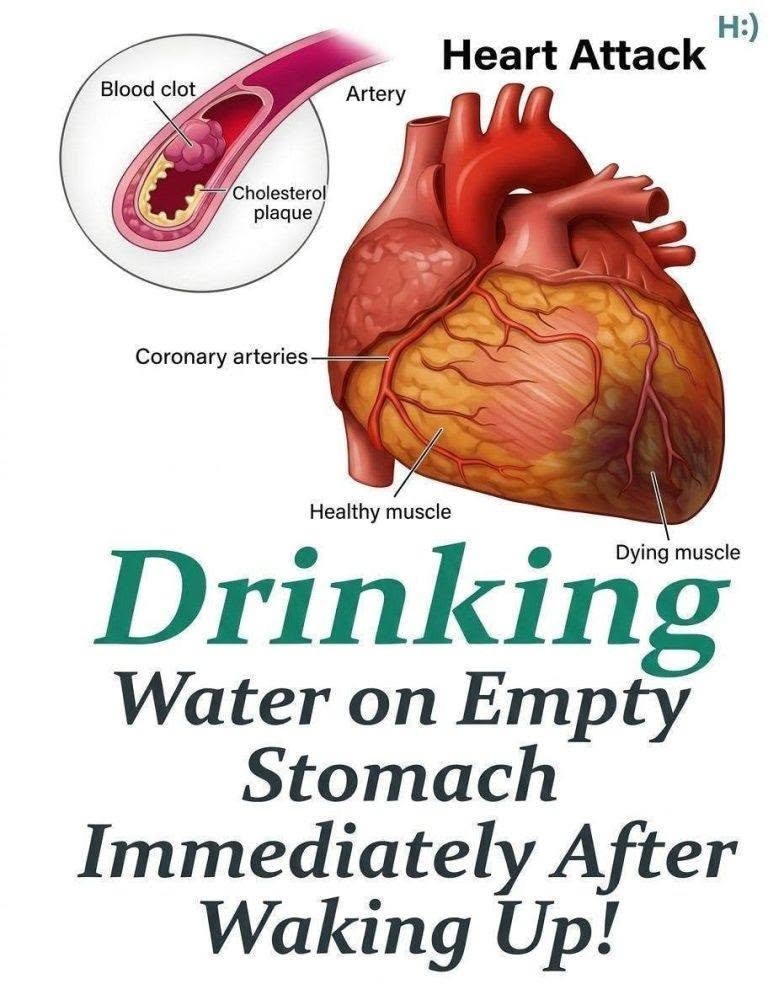
As the liver makes less cholesterol, it also becomes better able to remove LDL cholesterol from the bloodstream. This lowers the amount of LDL circulating in the blood and can slow the formation of cholesterol-containing plaque in arteries.
Atorvastatin can also lower triglycerides and may increase HDL cholesterol to some extent.
Why Do Doctors Prescribe Atorvastatin?
There are several reasons a doctor may prescribe atorvastatin.
1. High LDL cholesterol
One of the most common reasons is elevated LDL cholesterol. Persistently high LDL can contribute to plaque buildup inside arteries, which can narrow or obstruct blood vessels over time.
2. Prevention of heart attack
For people whose cardiovascular risk is high enough to warrant treatment, lowering LDL cholesterol with a statin can reduce the risk of heart attack.
3. Prevention of stroke
Atorvastatin may also be prescribed to reduce the risk of stroke in appropriate patients, particularly when cholesterol and cardiovascular risk factors make treatment beneficial.
4. Existing cardiovascular disease
Someone who already has cardiovascular disease may be prescribed a statin as part of a broader strategy to reduce the chance of future cardiovascular events.
The decision depends on factors such as cholesterol levels, age, diabetes, blood pressure, smoking status and previous cardiovascular disease.
Is Atorvastatin Only for People With High Cholesterol?