Why Are My Veins Suddenly So Visible? 12 Causes, Warning Signs, and What to Do
Have you ever noticed that the veins in your hands and arms become more prominent after exercising?
This is a common physiological response.
During physical activity, muscles require more oxygen and nutrients. Blood flow increases to meet these demands, and changes in blood vessel diameter and surrounding muscle activity can make superficial veins more noticeable.
This is particularly common after:
Weightlifting.
Resistance training.
Running.
Cycling.
Intense physical activity.
Exercise can also increase body temperature, contributing to the visibility of superficial blood vessels.
In most cases, veins become less prominent as your body cools down and returns to its resting state.
Prominent veins after exercise are not necessarily a sign of poor circulation.
4. Hot Weather Can Make Your Veins More Visible
Temperature has a significant influence on blood vessels.
When your body becomes warm, superficial blood vessels widen to help release excess heat. This process is called vasodilation.
As blood vessels near the surface of your skin widen, they may become easier to see.
You may notice more visible veins:
During hot summer days.
After taking a warm shower.
After spending time in the sun.
During physical activity in warm weather.
After sitting in a heated environment.
This is generally a normal response that helps regulate body temperature.
If your veins become less prominent after cooling down, temperature may be contributing to their appearance.
5. Hormonal Changes May Influence Vein Appearance
Hormones can influence blood vessels, fluid balance, and circulation.
Certain hormonal changes may contribute to the development or increased visibility of veins.
Pregnancy is one example. During pregnancy, blood volume increases, hormonal changes affect blood vessel walls, and pressure within the veins of the legs can rise.
As a result, some pregnant women develop visible veins or varicose veins.
Hormonal changes associated with menopause and aging may also influence skin thickness and vascular appearance.
However, visible veins alone cannot establish whether someone has a hormonal imbalance.
If you experience additional symptoms, such as unexplained fatigue, significant weight changes, or unusual swelling, medical evaluation may help identify the cause.
6. Varicose Veins Can Cause Raised and Twisted Blood Vessels
Varicose veins are enlarged, twisted veins that most commonly develop in the legs.
They occur when the valves inside veins do not function properly, allowing blood to flow backward and collect in the vessels.
Over time, increased pressure can cause veins to become enlarged and visible beneath the skin.
Common symptoms include:
Raised or twisted veins.
A heavy feeling in the legs.
Aching or throbbing discomfort.
Swelling around the ankles.
Itching around affected veins.
Symptoms that worsen after prolonged standing.
Varicose veins are more common in people who have a family history of the condition, spend long periods standing, are pregnant, or are older.
Although many cases are not dangerous, complications can sometimes occur.
These include skin changes, bleeding, superficial vein inflammation, and leg ulcers.
A healthcare professional can assess whether treatment is necessary.
7. Chronic Venous Insufficiency May Affect Circulation
Chronic venous insufficiency is a condition in which the veins have difficulty returning blood efficiently from the legs toward the heart.
It often develops when the valves inside leg veins become damaged or weakened.
As blood accumulates in the lower extremities, pressure inside the veins increases.
Possible symptoms include:
Swollen ankles and lower legs.
Visible varicose veins.
A feeling of heaviness.
Aching or tired legs.
Itchy skin.
Brownish discoloration around the ankles.
Skin thickening in more advanced cases.
Symptoms may become more noticeable after standing or sitting for extended periods.
Unlike ordinary visible veins caused by aging or genetics, chronic venous insufficiency may require medical management.
Early assessment can help prevent complications and improve comfort.
8. Dehydration Can Influence Your Circulatory System
Hydration is important for maintaining normal blood volume and supporting the body’s circulatory functions.
Dehydration occurs when you lose more fluid than you consume.
Common causes include:
Excessive sweating.
Hot weather.
Vomiting.
Diarrhea.
Fever.
Insufficient fluid intake.
However, dehydration is not a well-established direct explanation for suddenly prominent veins.
Changes in fluid balance, skin appearance, and body temperature may influence how superficial veins appear, but prominent veins alone cannot diagnose dehydration.
Other signs include thirst, dry mouth, dark-colored urine, reduced urination, and dizziness.
Severe dehydration requires prompt medical attention.
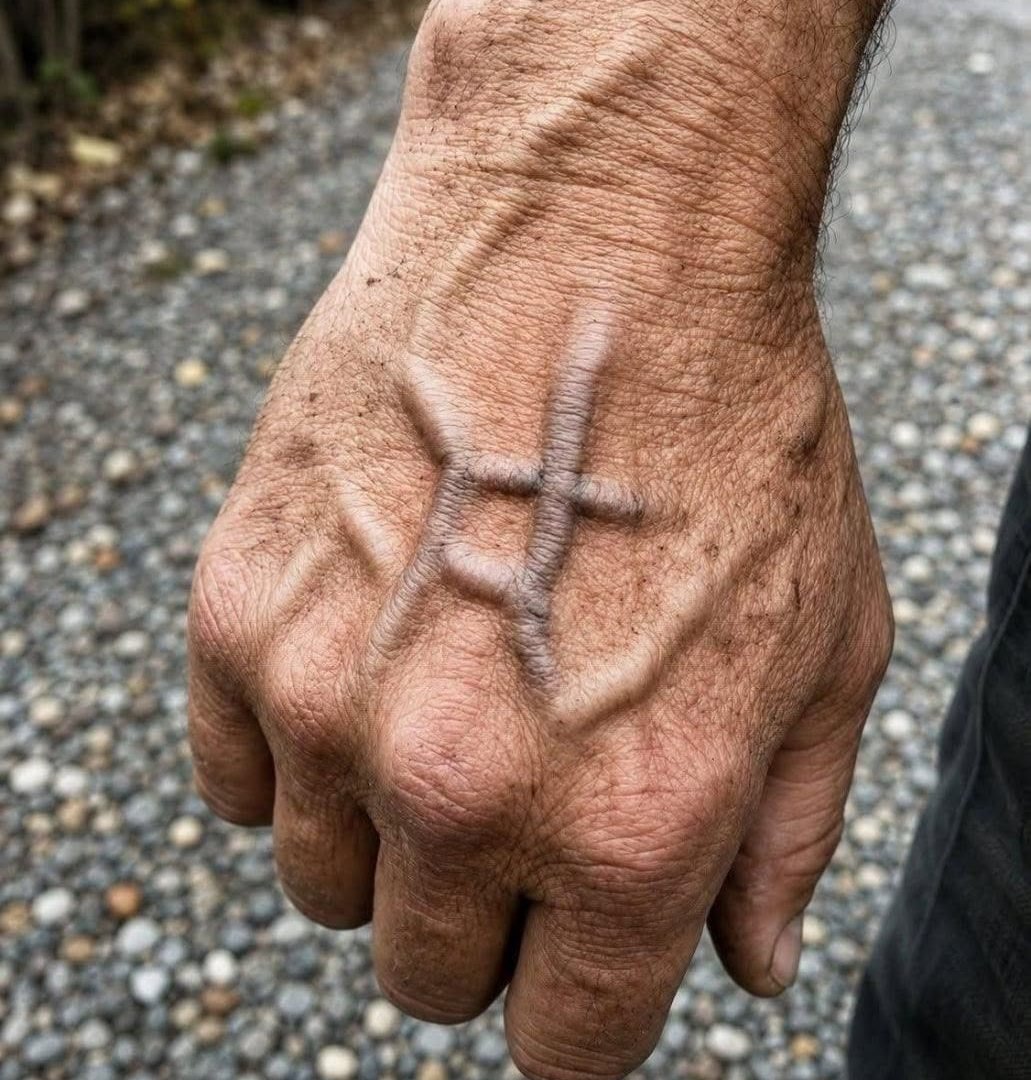
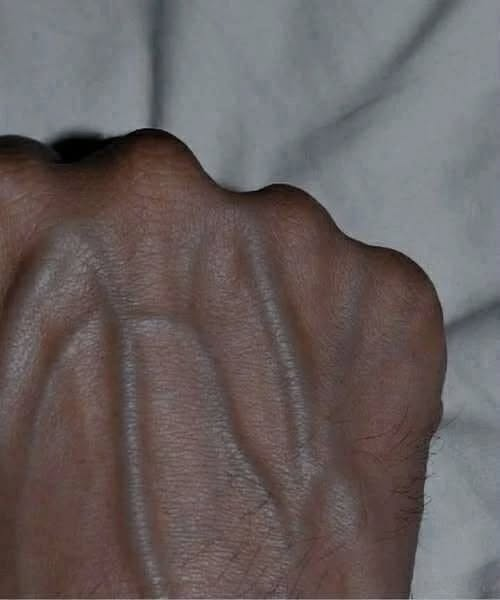
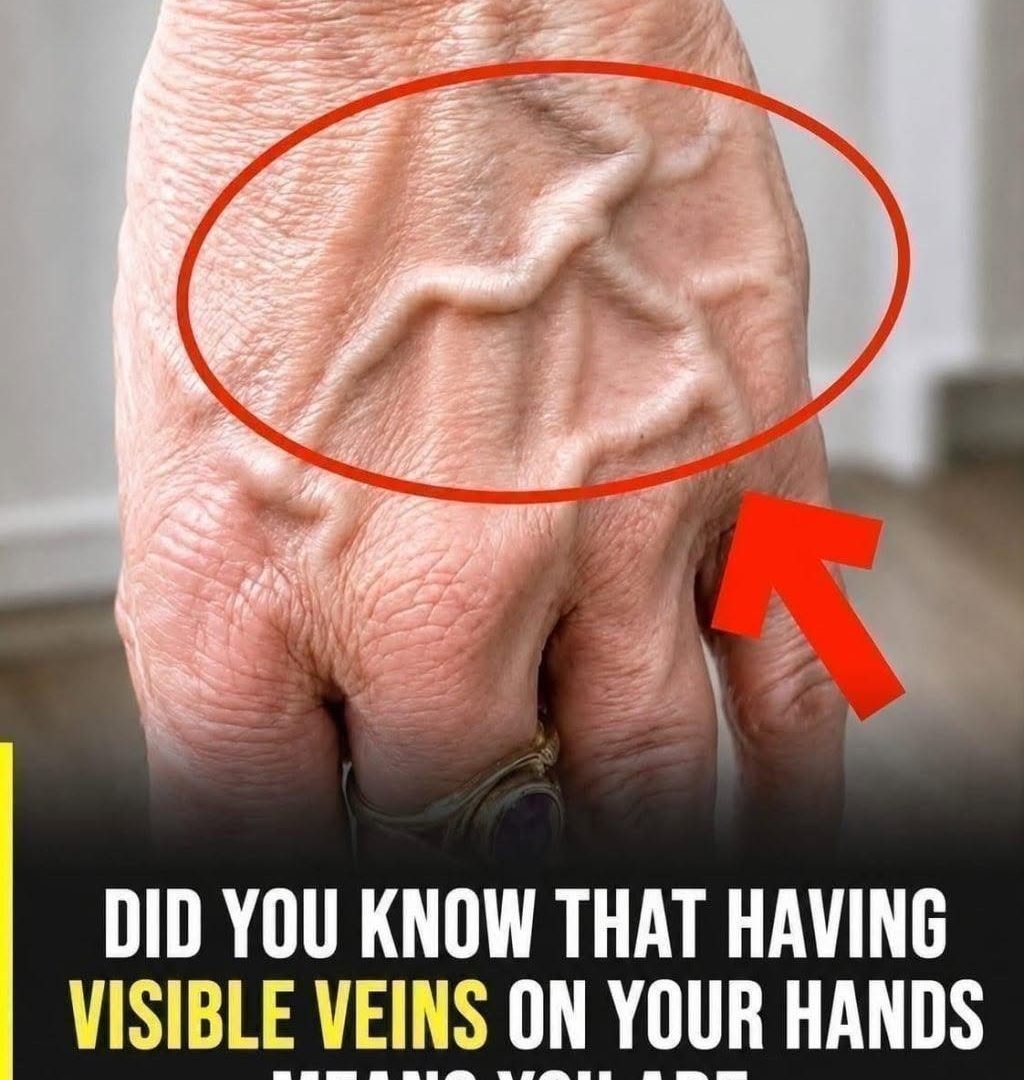
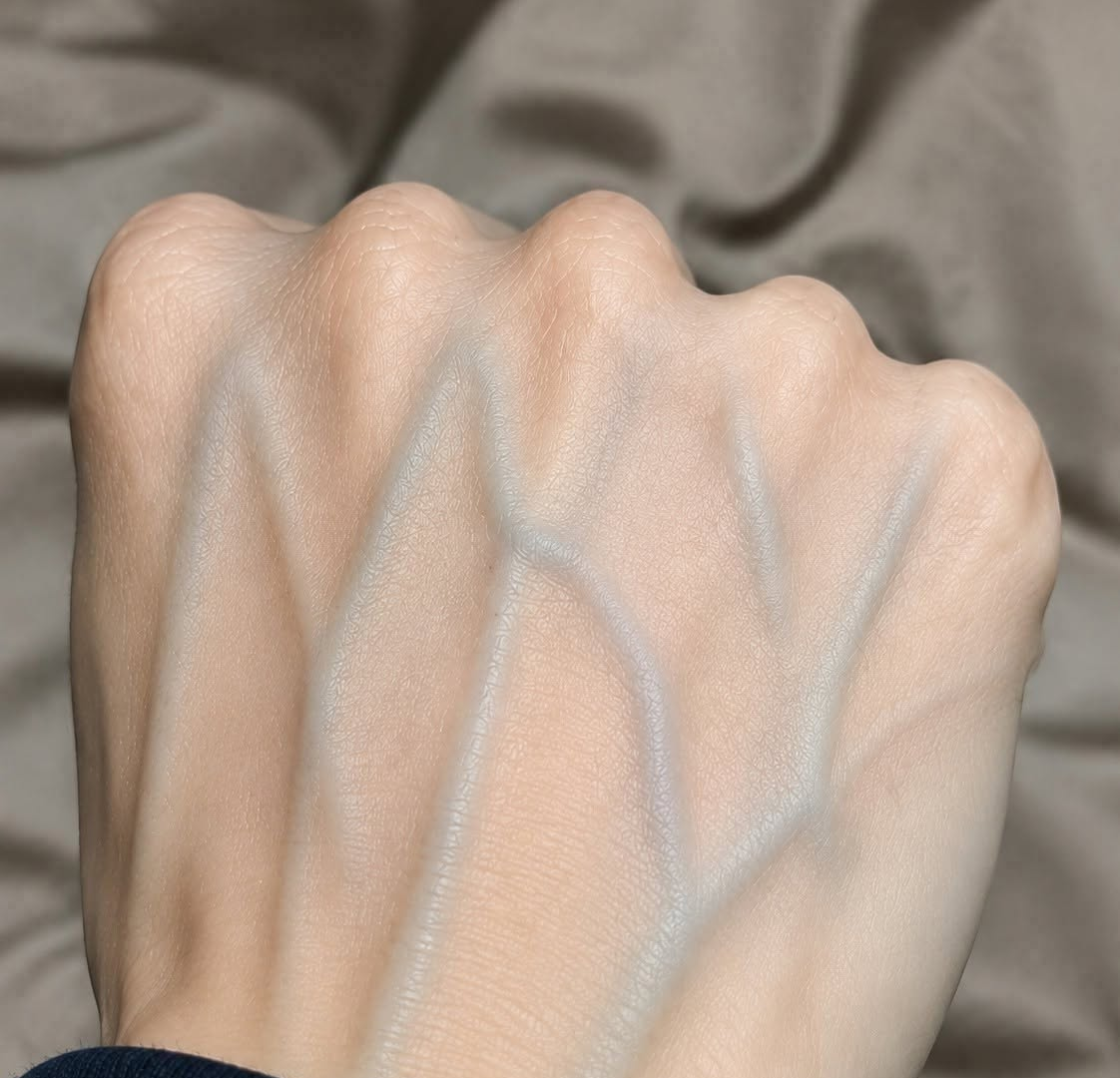
9. Why Are the Veins in Your Hands Suddenly So Visible?
Visible hand veins are particularly common as people get older.
The backs of the hands contain superficial veins that can become more noticeable when the skin becomes thinner and the underlying fatty tissue decreases.
Other contributing factors include exercise, warm temperatures, genetics, and low body fat.
In many people, prominent hand veins are simply a cosmetic characteristic.
However, if one hand suddenly develops prominent veins together with swelling, pain, redness, or a change in skin temperature, medical evaluation is important.
These symptoms can sometimes indicate a problem involving the veins or circulation.
10. Blood Clots Can Sometimes Cause Changes in Vein Appearance
One of the most important warning signs to understand is the possibility of deep vein thrombosis, commonly known as DVT.
DVT occurs when a blood clot forms in a deep vein, usually in the leg.
It can interfere with normal blood flow and sometimes become life-threatening if part of the clot travels to the lungs.
Possible symptoms include:
Swelling in one leg.
Pain or tenderness in the calf.
Warmth in the affected area.
Red or discolored skin.
New or unusually prominent superficial veins.
Visible veins alone do not mean you have a blood clot.
However, sudden one-sided swelling and pain should never be ignored.
Seek urgent medical assessment if you experience these symptoms, particularly after surgery, prolonged immobility, hospitalization, or a long journey.
If you develop sudden shortness of breath, chest pain, coughing up blood, or fainting, seek emergency medical assistance immediately because these can be signs of a pulmonary embolism.
11. Certain Medications May Influence Vein-Related Symptoms