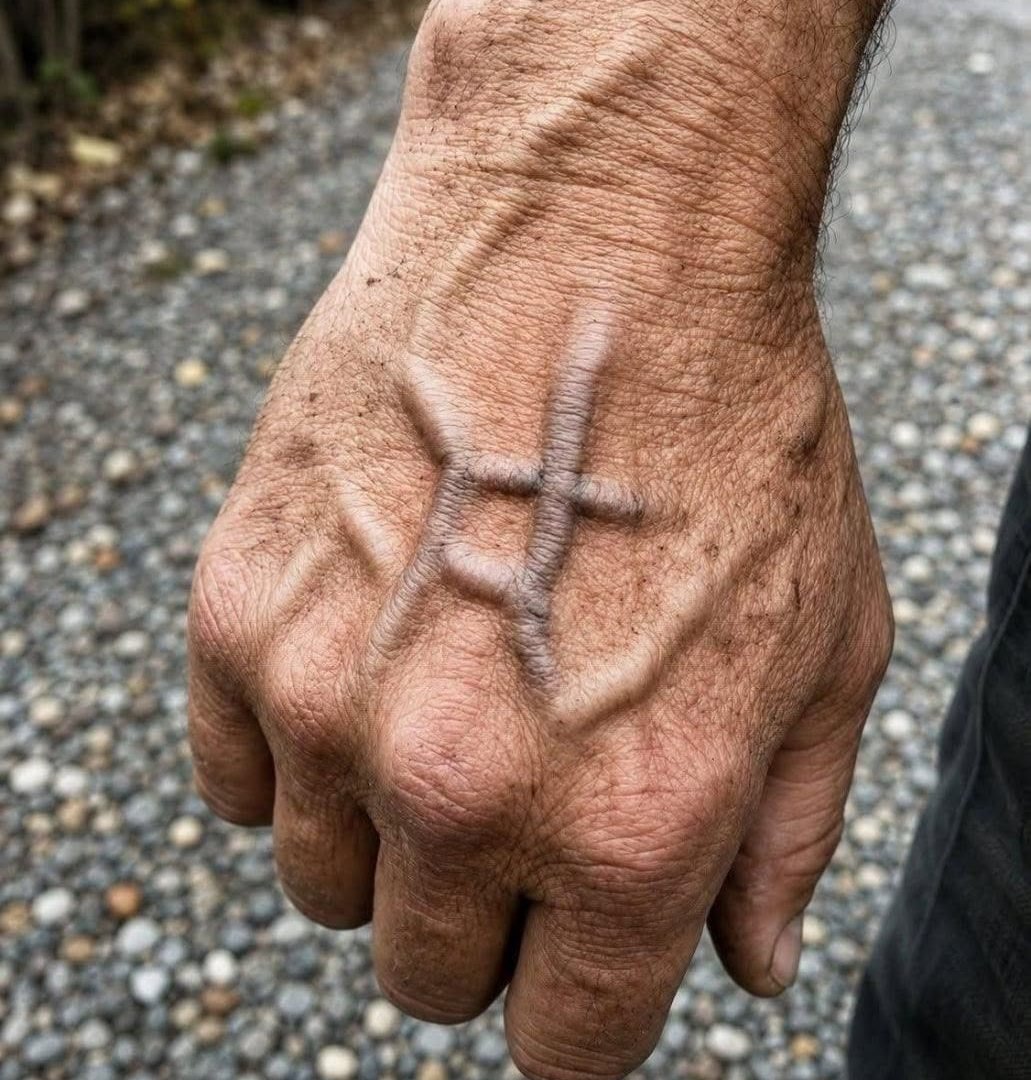
Why Are My Veins Suddenly So Visible? 12 Causes, Warning Signs, and What to Do
Some medications can influence fluid balance, blood vessels, or the risk of developing blood clots.
For example, certain hormonal medications may increase the risk of venous thrombosis in some individuals.
Other medications may contribute to swelling or changes in skin appearance.
However, prominent veins alone are not enough to identify a medication-related problem.
If you notice a new change after starting a medication, discuss it with your healthcare professional.
Never stop prescribed medication without appropriate medical advice.
12. Genetics Can Determine How Visible Your Veins Are
Family history can influence the appearance and structure of your veins.
Some people naturally have more superficial veins, thinner skin, or less fatty tissue beneath the skin.
Others may inherit a tendency to develop varicose veins.
If several members of your family have prominent veins or varicose veins, genetics may be one contributing factor.
This does not necessarily mean that you have a medical condition.
However, a family history of venous disease may make it worthwhile to pay attention to symptoms such as leg heaviness, swelling, discomfort, or skin changes.
Warning Signs You Should Never Ignore
Although prominent veins are often harmless, certain symptoms deserve prompt attention.
Pay particular attention if you experience:
Sudden swelling: New swelling affecting one arm or leg may indicate a vascular problem.
Pain or tenderness: Pain around a prominent vein, especially in the calf, should be evaluated.
Redness and warmth: These symptoms may occur with inflammation or a blood clot.
Skin discoloration: Persistent brown, purple, or unusual discoloration around the ankles may indicate chronic venous problems.
Bleeding: A varicose vein that bleeds requires medical assessment. If bleeding is heavy or does not stop with firm direct pressure, seek emergency care.
Skin ulcers: Open sores near the ankles may be associated with advanced venous disease.
Chest pain or difficulty breathing: These symptoms require emergency medical attention, particularly when accompanied by leg swelling or pain.
What Can You Do to Support Healthy Circulation?
If your visible veins are not associated with concerning symptoms, several everyday habits can help support your overall vascular health.
1. Stay Physically Active
Walking, cycling, swimming, and other forms of regular physical activity help activate the muscles in your legs.
These muscles assist the veins in moving blood toward the heart.
Even short walks throughout the day can be beneficial.
2. Avoid Sitting or Standing for Too Long
Remaining in one position for extended periods can contribute to discomfort and swelling in the legs.
Try to move regularly, stretch your legs, and take short walking breaks.
If your work requires prolonged standing, changing positions periodically may help.
3. Elevate Your Legs
If your legs feel tired or swollen, resting with them elevated may help reduce discomfort.
Try placing your legs on a comfortable cushion while lying down.
This can help gravity assist the return of blood toward the heart.
However, persistent or unexplained swelling should be medically assessed.
4. Maintain a Healthy Weight
Excess body weight can increase pressure on the veins in the lower extremities.
Maintaining a healthy weight may help reduce this pressure and support cardiovascular health.
Focus on sustainable eating habits rather than extreme diets.
5. Eat a Balanced Diet
A nutritious diet supports the health of blood vessels and the cardiovascular system.
Include foods such as:
Leafy green vegetables.
Berries.
Citrus fruits.
Tomatoes.
Whole grains.
Beans and lentils.
Nuts and seeds.
Fish.
Olive oil.
These foods provide nutrients, fiber, and plant compounds that contribute to overall health.
6. Drink Enough Water
Adequate hydration supports normal blood volume and bodily functions.
Your fluid requirements depend on temperature, activity level, health conditions, and other individual factors.
Drink regularly throughout the day, especially when exercising or spending time in hot weather.
7. Ask About Compression Stockings
Compression stockings apply graduated pressure to the legs and may help reduce swelling and discomfort associated with certain venous conditions.
They can be useful for some people with varicose veins or chronic venous insufficiency.
However, they are not appropriate for everyone.
Ask a healthcare professional whether compression stockings are suitable for your situation, particularly if you have circulation problems involving the arteries.
How Do Doctors Determine Why Your Veins Are Visible?
If your veins have changed significantly, a healthcare professional may begin by examining the affected area and asking about your symptoms.
They may want to know:
When did you first notice the change?
Did it happen suddenly or gradually?
Are the veins painful?
Is there swelling?
Does one limb look different from the other?
Have you recently lost weight?
Do you spend long periods standing?
Have you recently undergone surgery or experienced prolonged immobility?
Depending on the findings, additional tests may be recommended.
A venous Doppler ultrasound is particularly useful when a doctor needs to evaluate blood flow or investigate a possible blood clot.
It can also help assess certain problems involving venous valves.
The appropriate investigation depends on your symptoms and medical history.
Final Thoughts
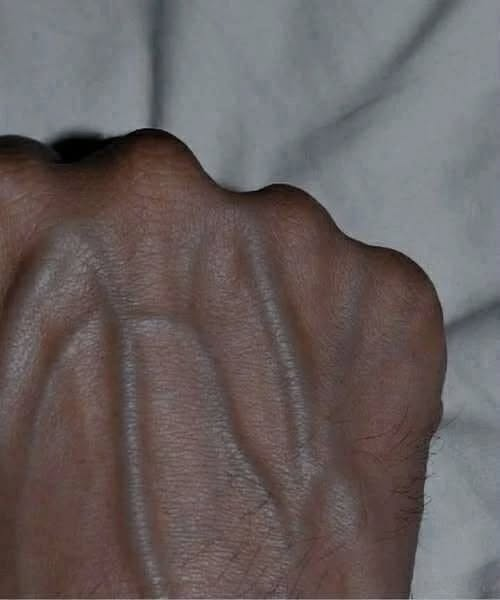
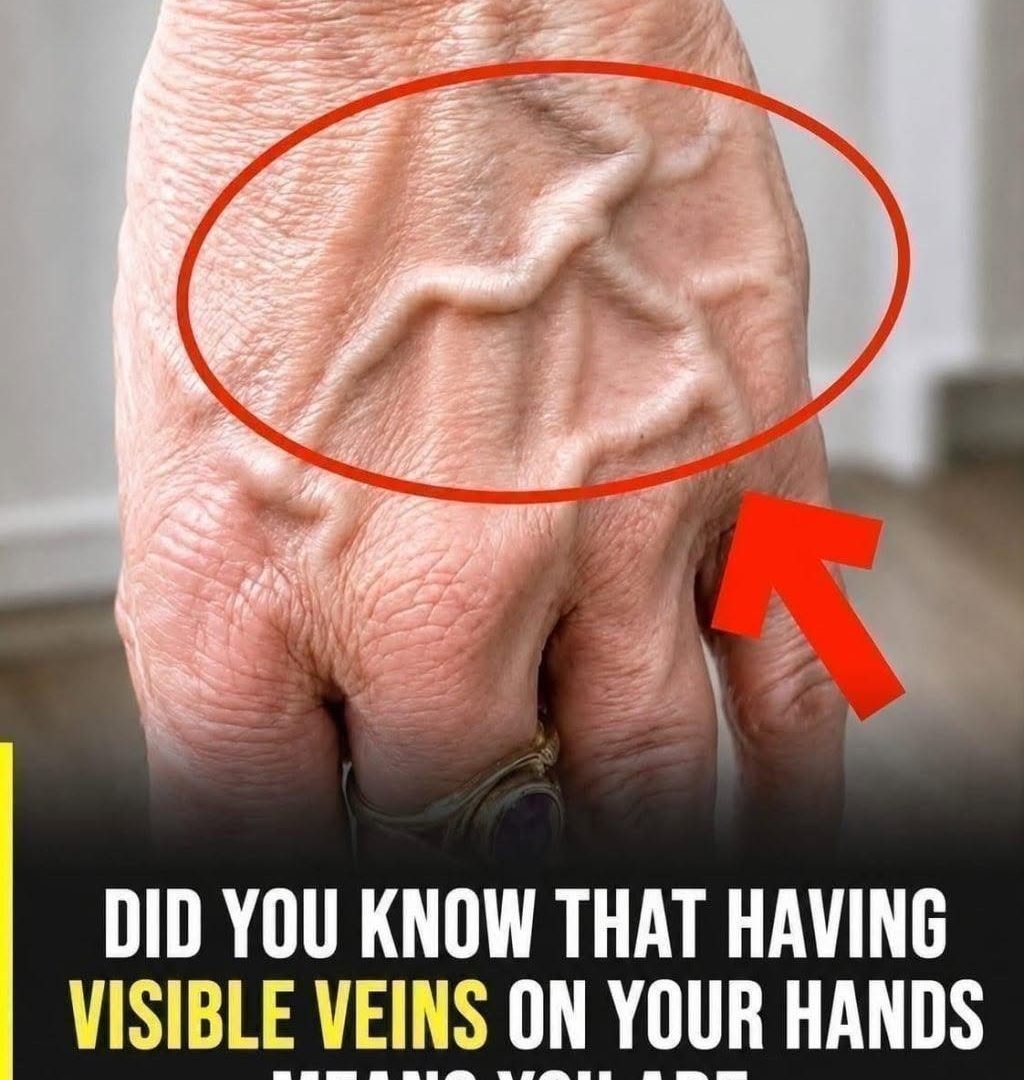
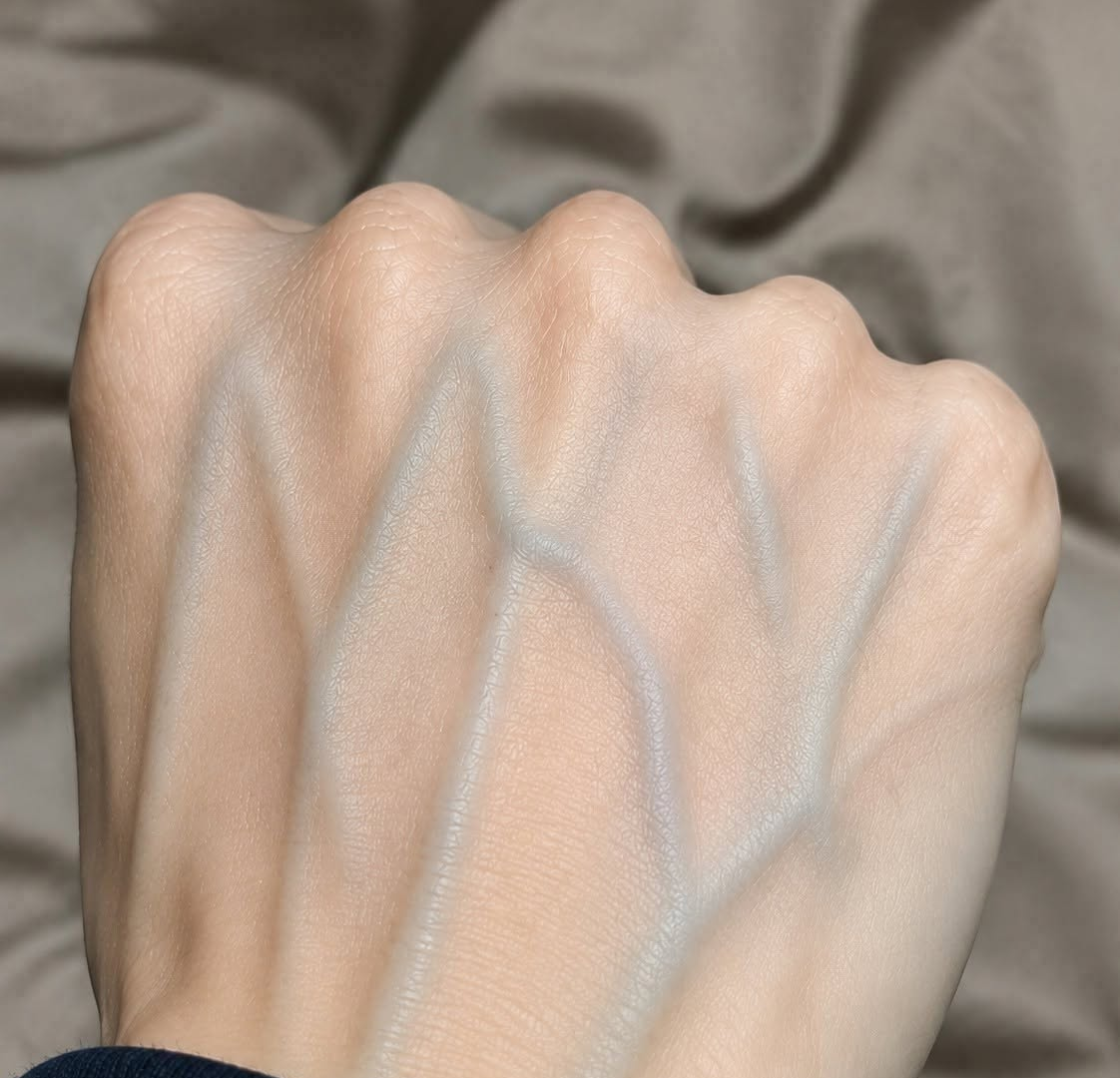
Visible veins are not necessarily a sign that something is wrong with your health.
In many cases, they become more noticeable because of natural aging, thinner skin, reduced body fat, exercise, genetics, or warm temperatures.
However, sudden changes deserve attention, particularly when accompanied by swelling, pain, redness, warmth, or unusual skin discoloration.
The most important thing is to understand the difference between ordinary changes in vein visibility and symptoms that may indicate an underlying vascular condition.
Regular physical activity, adequate hydration, a balanced diet, and avoiding prolonged periods of immobility can help support healthy circulation.
If your veins suddenly look different and you are unsure why, do not rely on appearance alone to determine the cause. A healthcare professional can assess your symptoms and recommend appropriate testing when necessary.
Your veins are an important part of your circulatory system, and paying attention to changes in your body is a sensible way to protect your long-term health.