Why Do Many Older Adults Wake Up at 3 A.M.? What It Means for Their Sleep and Health
Stress is another common reason people wake up during the early morning hours.
During the day, activities, conversations, and responsibilities provide distractions. At night, when the environment becomes quiet, worries may become more noticeable.
An older adult might wake up thinking about finances, family problems, health concerns, loneliness, or changes in independence.
Once these thoughts begin, the mind may become increasingly alert.
A person may start calculating how many hours remain before morning, worrying about being tired the next day, or wondering why they cannot fall asleep. This anxiety can make returning to sleep even more difficult.
Over time, a pattern may develop in which the bed itself becomes associated with frustration and wakefulness.
Stress can affect sleep in several ways:
It may make falling asleep more difficult.
It can increase the likelihood of waking during the night.
It may make ordinary nighttime awakenings feel more distressing.
It can contribute to muscle tension and physical discomfort.
It may worsen symptoms of anxiety or depression.
Older adults are not immune to these problems. Retirement, bereavement, changes in family relationships, financial concerns, and chronic illness can all affect emotional well-being.
What May Help?
Developing a calming evening routine can make it easier to transition from wakefulness to sleep.
Reading a relaxing book, listening to gentle music, practicing slow breathing, or writing down concerns before bedtime may help some people settle their minds.
If worries repeatedly prevent sleep, talking with a healthcare professional or mental health provider may be beneficial.
Persistent anxiety, sadness, loss of interest in activities, or feelings of hopelessness should not be ignored simply because someone is older.
4. Waking Up to Urinate Becomes More Common
One of the most frequent reasons older adults wake during the night is the need to urinate.
The medical term for waking during the night to pass urine is nocturia.
A person may fall asleep comfortably but wake two or three hours later with a full bladder. After using the bathroom, they may find it difficult to return to sleep.
Several factors can contribute to nighttime urination.
Changes in Bladder Function
With age, some people experience changes in bladder capacity, bladder sensitivity, or the ability to empty the bladder completely.
This can create a more frequent need to urinate, even when the amount of urine produced is relatively small.
Prostate Enlargement
In men, an enlarged prostate can contribute to urinary symptoms, including a weak urine stream, difficulty starting urination, a feeling that the bladder has not emptied completely, and frequent nighttime trips to the bathroom.
These symptoms should be discussed with a healthcare professional, particularly when they are new or worsening.
Diabetes and Other Medical Conditions
Elevated blood glucose can increase urine production in some circumstances.
Other conditions, including certain heart and kidney problems, may also contribute to nighttime urination.
Some medications, particularly diuretics used to manage conditions such as high blood pressure or fluid retention, increase urine production. The timing of a dose can influence nighttime bathroom visits.
However, prescribed medication should never be moved, reduced, or stopped without medical guidance.
What Can Help?
Some people benefit from reducing large amounts of fluid close to bedtime while maintaining adequate hydration throughout the day.
Reducing evening caffeine and alcohol may also help.
However, repeatedly waking to urinate should not automatically be attributed to drinking too much water. If the problem is persistent, a clinician can help identify the cause and determine whether treatment is needed.
Do not severely restrict fluids to avoid bathroom visits, especially during hot weather or when taking medications that affect fluid balance.
5. Certain Medications Can Interrupt Sleep
Many older adults take medications for chronic health conditions. Although these treatments may be necessary, some can influence sleep or increase nighttime awakenings.
Examples include certain diuretics, corticosteroids, some antidepressants, stimulant medications, and medicines that may cause frequent urination or gastrointestinal discomfort.
The effects vary depending on the drug, dose, timing, and individual response.
For example, a medication that increases urine production may contribute to bathroom visits if taken at a time that causes its effects to overlap with sleep.
Other medicines may cause vivid dreams, restlessness, or changes in sleep patterns.
Sometimes, the condition being treated rather than the medication itself is responsible for disrupted sleep.
Pain, breathing difficulties, reflux, and other symptoms may continue during the night despite treatment.
If sleep problems begin after starting a new medication or changing a dose, it is worth discussing the pattern with the prescribing clinician.
A medication review may reveal an opportunity to adjust timing, change treatment, or address a side effect.
Never stop taking a prescribed medication or change its dose simply because you suspect it is affecting your sleep.
6. Pain and Physical Discomfort May Wake Older Adults
Chronic pain can make it difficult to remain asleep.
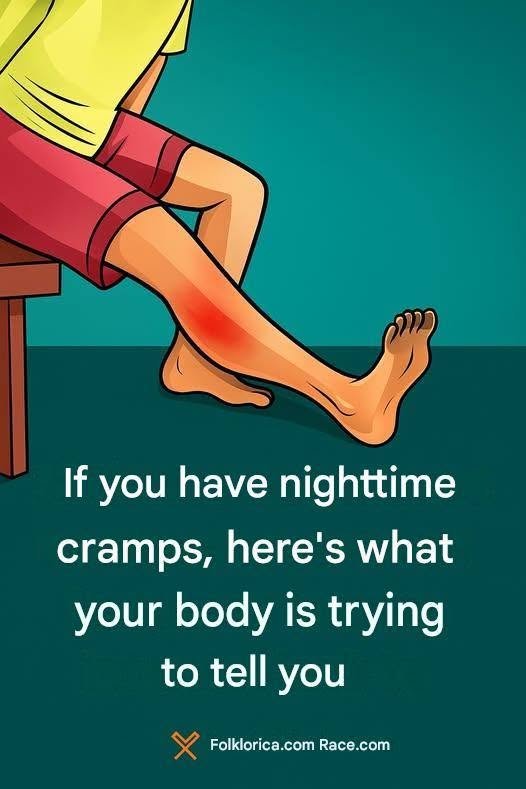
Arthritis, back pain, shoulder problems, muscle cramps, and nerve pain may become more noticeable when someone lies still for several hours.
A person may wake at 3 A.M. because of stiffness in the hips, aching knees, burning feet, or discomfort caused by their sleeping position.
Once awake, they may struggle to find a comfortable position again.
Pain can also create a cycle in which poor sleep increases sensitivity to discomfort, while discomfort further disrupts sleep.
People with peripheral neuropathy may experience burning, tingling, numbness, or electric-like sensations in their feet, particularly at night.
Others may experience leg cramps or an uncomfortable urge to move their legs when trying to rest.
Practical Ways to Improve Comfort
A supportive mattress and comfortable pillow may help some people maintain a more comfortable sleeping position.
Gentle movement during the day can also help maintain mobility and reduce stiffness for many individuals.
However, the most appropriate approach depends on the underlying condition.
Persistent pain should be evaluated rather than managed indefinitely by changing sleeping positions or using home remedies.
If pain suddenly becomes severe, is accompanied by new weakness, or occurs with other alarming symptoms, prompt medical assessment may be necessary.
7. Sleep Apnea Can Cause Repeated Nighttime Awakenings
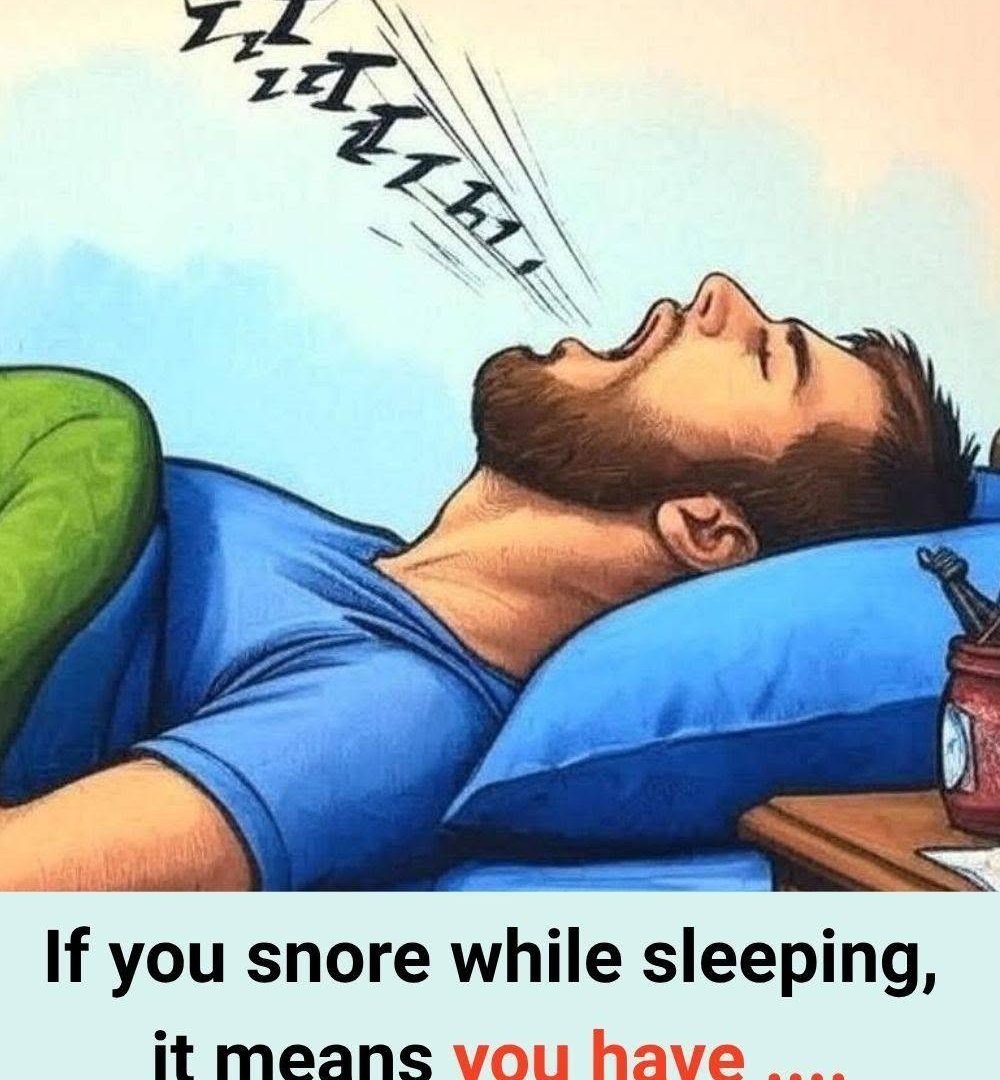
Sleep apnea is a sleep disorder in which breathing repeatedly becomes reduced or stops temporarily during sleep.
Obstructive sleep apnea, the most common form, occurs when the upper airway becomes partially or completely blocked during sleep.
These interruptions can cause brief awakenings that the person may not remember the following morning.
Someone with sleep apnea may believe they slept for seven or eight hours but still wake feeling exhausted.
Possible symptoms include:
Loud, persistent snoring.
Pauses in breathing noticed by another person.
Waking up gasping or choking.
Morning headaches.
Dry mouth upon waking.
Excessive daytime sleepiness.
Difficulty concentrating.
Frequent nighttime urination.
Not everyone with sleep apnea snores loudly, and symptoms can differ from person to person.
The condition becomes more common with age and can affect people of different body sizes.
Untreated sleep apnea can contribute to cardiovascular problems, impaired daytime functioning, and other health risks.
If an older adult repeatedly wakes during the night and experiences loud snoring, gasping, or significant daytime sleepiness, a healthcare professional may recommend an evaluation for sleep apnea.
Effective treatment can improve sleep quality and reduce associated risks.
8. Restless Legs Syndrome Can Make Sleep Difficult