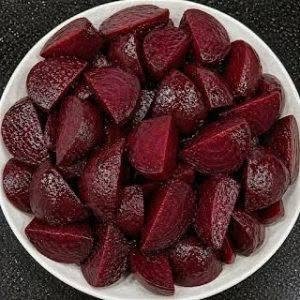
Instead of adding several spoonfuls of sugar or sweetened syrups, use fruit or spices to add flavor.
Portion size still matters. Even nutritious carbohydrates can raise blood glucose when consumed in very large quantities.
6. Chia Seeds
Chia seeds are small but provide fiber, along with healthy fats and some protein.
Because they absorb liquid and form a gel-like texture, they can add bulk to meals.
You can add chia seeds to:
Plain yogurt
Oatmeal
Smoothies
Homemade puddings
Salads
Adding fiber-rich foods to meals may help make them more filling.
However, chia seeds should not be considered a medication for high blood sugar. They are simply one nutritious ingredient that can contribute to a balanced eating pattern.
7. Nuts
Almonds, walnuts, pistachios, peanuts, and other nuts can be useful additions to a balanced diet.
They provide healthy fats, protein, fiber, and various micronutrients.
Because nuts are calorie-dense, portions are important. A small handful can be enough to add texture and nutrition to a meal or snack.
Choose mostly unsalted nuts and avoid versions heavily coated with sugar or sweetened flavorings.
For example, plain almonds with a piece of fruit can be a more balanced snack than a sugary pastry or candy bar.
8. Greek Yogurt
Plain Greek yogurt provides protein and can be a satisfying breakfast or snack.
Protein can help increase fullness, and choosing plain yogurt instead of heavily sweetened flavored varieties can significantly reduce added sugar.
You can add:
Berries
Chia seeds
Walnuts
Cinnamon
A small amount of fresh fruit
When shopping for yogurt, check the nutrition label because some flavored varieties can contain considerable amounts of added sugar.
9. Eggs
Eggs are naturally low in carbohydrates and provide protein along with several important nutrients.
A breakfast containing eggs and vegetables can be more filling than a breakfast dominated by sweetened cereal, pastries, or sugary drinks.
Try scrambled eggs with spinach and tomatoes, or boiled eggs alongside a vegetable-rich meal.
Of course, overall dietary quality matters more than any individual food.
10. Fish
Fatty fish such as salmon, sardines, mackerel, and trout provide protein and healthy fats.
Protein-rich foods generally contain little or no carbohydrate, meaning they do not cause the same immediate blood-sugar increase as foods dominated by refined carbohydrates.
Fish can be paired with vegetables, beans, lentils, or a moderate portion of whole grains for a balanced meal.
A diet that includes a variety of protein sources can help make meals satisfying without relying heavily on refined carbohydrates.
11. Berries
Strawberries, blueberries, raspberries, and blackberries contain natural carbohydrates, but they also provide fiber and many plant compounds.
Whole fruit is generally a better choice than fruit juice because whole fruit contains fiber and requires more chewing.
You can add berries to plain yogurt, oatmeal, or a small serving of nuts.
Remember that fruit still contains natural sugar. The goal is not to eliminate all sugar-containing foods but to choose nutritious foods and reasonable portions.
12. Avocado
Avocado contains healthy fats and fiber while being relatively low in carbohydrates.
The combination of fat and fiber can make meals more satisfying.
You can add avocado to salads, eggs, whole-grain toast, or vegetable dishes.
Instead of thinking of avocado as a food that “lowers blood sugar,” think of it as an ingredient that can help create a balanced meal.
13. Apples
Apples contain natural sugar, but they also provide fiber, especially when the skin is eaten.
Eating an entire apple is generally very different from drinking apple juice. Juice removes much of the structure and fiber of the whole fruit and makes it easier to consume a large amount of sugar quickly.
For a more balanced snack, combine an apple with a small amount of nuts or natural nut butter.
This provides carbohydrates along with fat, protein, and fiber.
14. Cinnamon
Cinnamon is often mentioned in discussions about blood sugar.
It contains plant compounds that have been studied for their potential effects on glucose metabolism. However, cinnamon should not be considered a replacement for prescribed diabetes treatment or a guaranteed way to lower blood glucose.
It can be a useful spice because it adds flavor without needing added sugar.