Benefits of Guava Leaves: What They Are Used For and How to Prepare Guava Leaf Tea Correctly
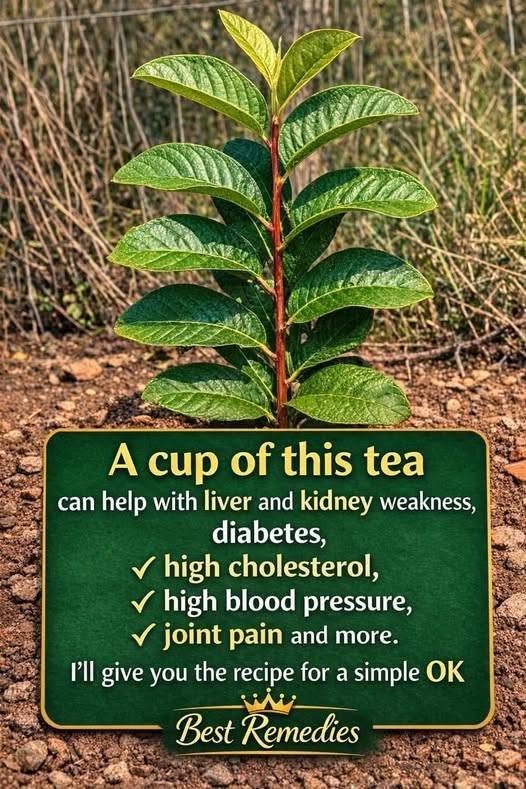
Guava is best known for its delicious fruit, but the leaves of the guava tree have also been used traditionally in different cultures for generations. Guava leaves are commonly prepared as a tea and are often discussed as a natural ingredient that may support digestion, blood sugar balance, cholesterol levels, and overall wellness.
At the same time, many claims about guava leaves are exaggerated online. A cup of guava-leaf tea should not be considered a cure for diabetes, high blood pressure, kidney disease, liver disease, or other medical conditions. Research into guava leaves is still developing, and results from laboratory or small human studies do not automatically mean that the tea can treat a disease.
Still, guava leaves contain naturally occurring plant compounds that make them an interesting traditional herbal beverage.
What Are Guava Leaves?
Guava leaves come from the guava tree, a tropical plant known scientifically as Psidium guajava. The tree produces the familiar sweet guava fruit, while its oval green leaves have a distinctive smell and slightly textured surface.
Young and mature leaves can both be used for traditional preparations. They are commonly washed and steeped or simmered in water to make a simple herbal tea.
Guava leaves contain various naturally occurring compounds, including flavonoids, phenolic compounds, tannins, and other antioxidants. These substances are part of the reason scientists have become interested in studying guava leaves.
1. Guava Leaf Tea Contains Antioxidant Compounds
One of the most interesting characteristics of guava leaves is their antioxidant content.
Antioxidants are compounds that help protect cells from oxidative stress. Oxidative stress occurs when reactive molecules in the body overwhelm its natural protective systems.
A diet rich in fruits, vegetables, herbs, and other plant foods provides many different antioxidant compounds. Guava leaves contain several plant chemicals that have demonstrated antioxidant activity in laboratory research.
However, this does not mean that drinking guava-leaf tea will prevent every disease associated with oxidative stress. Antioxidant activity observed in laboratory experiments does not always translate into the same effect in humans.
For that reason, guava-leaf tea is better viewed as one possible addition to a varied diet rather than a powerful medicinal treatment.
2. It May Support Digestive Health
Guava leaves have traditionally been used for digestive complaints, particularly loose stools and stomach discomfort.
Some research has investigated compounds in guava leaves for their potential effects on intestinal activity and microorganisms. This has contributed to the traditional reputation of guava leaves as a digestive herb.
A mild cup of guava-leaf tea may be soothing for some people, particularly when consumed as a warm, caffeine-free beverage.
However, persistent diarrhea, severe abdominal pain, vomiting, blood in the stool, dehydration, or unexplained digestive symptoms require proper medical attention. Herbal tea should not be used to delay treatment.
3. Guava Leaves and Blood Sugar
Another reason guava leaves have become popular is their possible relationship with blood sugar.
Some studies have examined guava-leaf extracts and tea preparations to determine whether they can influence blood glucose levels after eating. Certain research has produced interesting results, but evidence is not strong enough to consider guava leaves a treatment for diabetes.
People with diabetes should be particularly careful with herbal products. If something affects blood sugar, combining it with diabetes medication could potentially cause blood glucose to become too low.
Therefore, anyone taking medication for diabetes should discuss regular consumption of guava-leaf preparations with a healthcare professional rather than replacing medication with tea.
4. What About Cholesterol?
Guava leaves are also sometimes promoted online as a natural way to lower cholesterol.
There is scientific interest in this possibility because guava leaves contain several plant compounds that may influence fat metabolism. Some experimental and small-scale research has investigated guava-leaf preparations and lipid levels.
However, the evidence is not sufficient to say that guava-leaf tea can reliably lower cholesterol in everyone.
If your cholesterol is elevated, the most established approach includes a balanced diet, regular physical activity, maintaining a healthy weight when appropriate, and following medical advice about treatment.
Guava-leaf tea can be consumed as a beverage if it agrees with you, but it should not replace cholesterol medication prescribed by a doctor.