Just One Leaf of This Plant Is Worth a Gold Mine? The Surprising Story of Euphorbia hirta
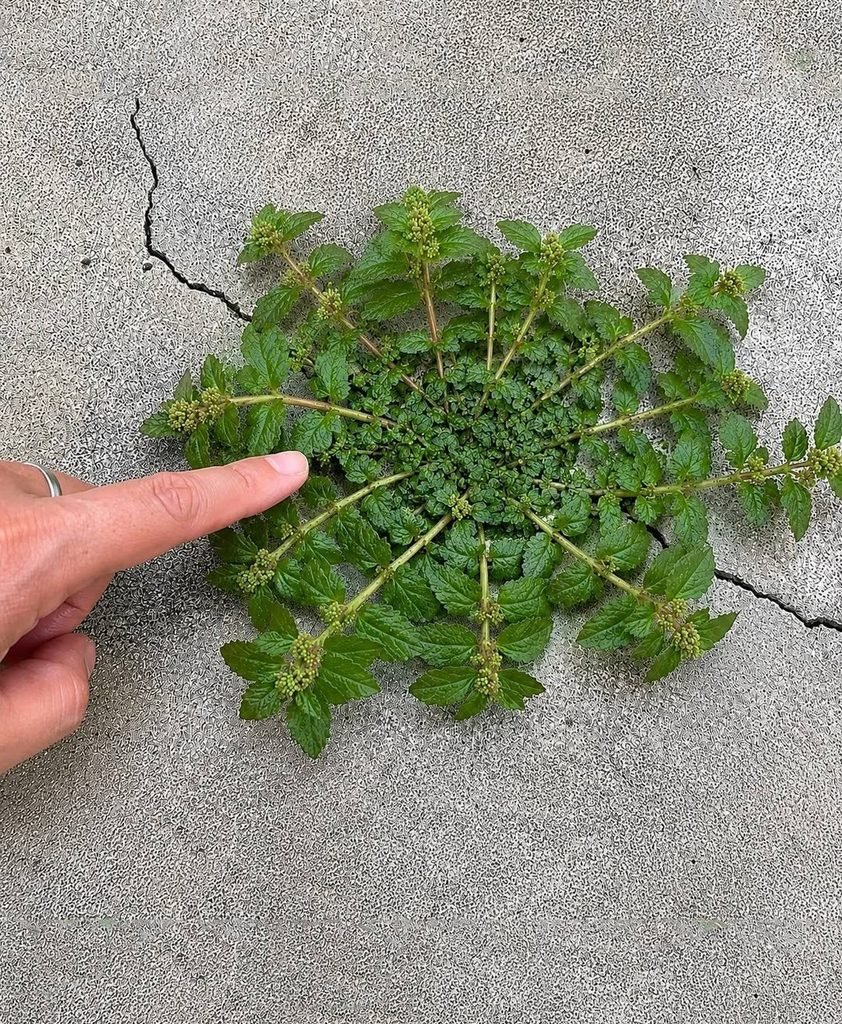
A small green plant growing close to the ground may look like nothing more than an ordinary weed. But the plant shown in the image has attracted a great deal of attention because of its long history in traditional herbal medicine.
The plant appears to be Euphorbia hirta, commonly known by names such as asthma weed, pillpod sandmat, and other local names. The identification is based on the plant’s characteristic opposite leaves, clustered flowers, and low-growing form, although a photograph alone cannot guarantee a botanical identification.
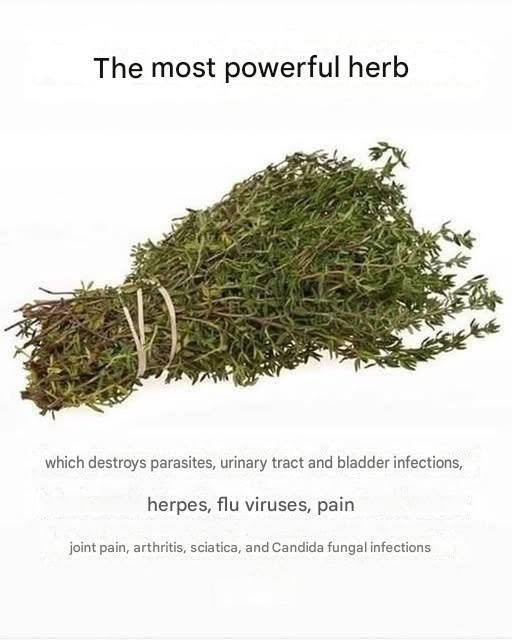
The dramatic phrase “just one leaf is worth a gold mine” should not be taken literally. A single leaf is not literally worth a fortune, and this plant does not have a proven ability to cure numerous diseases. What makes it interesting is its long history of traditional use and the presence of numerous plant compounds that researchers have studied.
That distinction is important because traditional knowledge can be fascinating and valuable, while modern medical evidence may still be limited.
What Is Euphorbia hirta?
Euphorbia hirta is a small herb belonging to the Euphorbiaceae family.
It commonly grows in warm and tropical regions and can appear in places such as:
Roadsides
Open fields
Gardens
Disturbed soil
Pathways
Grasslands
Vacant areas
The plant can grow close to the ground, with stems that may spread outward or rise slightly.
Its leaves are generally arranged in opposite pairs, and small clusters of flowers appear around the stems. One of the characteristics used to recognize the species is its hairy stem and the distinctive clusters around the leaf nodes.
Another important characteristic of plants in the Euphorbia genus is their milky latex or sap. This is one reason people should be cautious about handling unidentified Euphorbia plants.
Why Has This Plant Become So Popular?
The interest in Euphorbia hirta isn’t new.
The plant has been used traditionally in several regions for generations. Scientific reviews have documented traditional applications involving respiratory complaints, digestive problems, skin conditions, and other health concerns. (PubMed Central (PMC))
Researchers have also identified a variety of chemical compounds in the plant, including flavonoids, tannins, terpenoids, phytosterols, and phenolic compounds.
These substances have attracted scientific interest because laboratory studies have demonstrated various biological activities.
But there is an important difference between:
“A plant contains compounds with biological activity in laboratory research”
and
“Eating the plant will treat a disease in humans.”
Those statements are not equivalent.
A great deal of research into Euphorbia hirta remains preliminary, and more controlled human studies are needed before many traditional claims can be considered established medical treatments.
Traditional Uses of the Plant
Throughout different cultures, Euphorbia hirta has been used in traditional preparations for a wide variety of complaints.
Historical and ethnobotanical reports describe uses involving:
Cough
Bronchitis
Asthma
Digestive discomfort
Diarrhea
Dysentery
Skin problems
Fever
Urinary complaints
Other traditional health concerns
A scientific review published in Pharmacognosy Reviews documented many of these traditional applications and also described numerous chemical constituents identified in the plant.
This long history is one reason the plant continues to attract attention today.
However, traditional use does not automatically establish effectiveness or safety.
Respiratory Health and the Name “Asthma Weed”
One of the best-known traditional associations of Euphorbia hirta is respiratory health.
The plant has been called “asthma weed” because traditional medicine systems have used preparations made from it for cough, bronchitis, wheezing, and asthma-related complaints.
Some laboratory and animal studies have investigated possible effects on inflammation and airway function.
But someone with asthma should not replace an inhaler or prescribed asthma medication with an herbal preparation.
Asthma can become life-threatening when it is not properly controlled.
If someone experiences wheezing, chest tightness, severe coughing, or difficulty breathing, appropriate medical treatment is much more important than experimenting with an unidentified plant.
Traditional Digestive Uses
Another area in which Euphorbia hirta has a long history is digestive health.
Traditional preparations have been used for problems such as diarrhea, stomach discomfort, intestinal cramps, and dysentery.
Researchers have studied compounds in the plant that may have biological effects relevant to the digestive system.
However, diarrhea can have many causes, including infections, food poisoning, medication side effects, inflammatory diseases, and other conditions.
Severe diarrhea can also lead to dangerous dehydration.
Therefore, a person with persistent or severe diarrhea should not rely on an herbal remedy alone.