Just One Leaf of This Plant Is Worth a Gold Mine? The Surprising Story of Euphorbia hirta
If plant sap gets into the eyes, rinse thoroughly with clean water and seek medical advice if irritation persists or vision is affected.
Don’t Confuse Traditional Use With a Home Remedy Recipe
Social-media posts often go one step further than simply describing a traditional plant.
They may provide a recipe such as:
“Take a few leaves, boil them, and drink the tea every day.”
This is where caution becomes particularly important.
The amount of active compounds in a plant can vary depending on:
The plant’s growing conditions
The part of the plant used
The plant’s age
Harvesting conditions
Drying methods
Preparation method
Concentration
Individual variation between plants
A homemade tea therefore does not have the standardized dose of a pharmaceutical medicine.
Two people could prepare what they believe is “the same” tea but consume different quantities of active compounds.
Why Plant Identification Matters
Another major issue is misidentification.
Many wild plants have similar-looking leaves.
If someone collects a plant based only on an internet photograph, there is a risk of accidentally harvesting a different species.
Some plants can be irritating or poisonous.
Even within the same plant family, different species can have very different chemical compositions.
Therefore, an unfamiliar wild plant should not be consumed simply because a social-media post says it is medicinal.
If identification is important, use a reliable botanical reference or consult someone with appropriate plant-identification expertise.
Can One Leaf Really Be Worth a Gold Mine?
Literally?
No.
There is no evidence that a single leaf of Euphorbia hirta is financially worth a gold mine.
The phrase is a dramatic way of describing the plant’s perceived medicinal value.
The real story is more interesting than the headline.
This ordinary-looking weed contains numerous naturally occurring chemical compounds that scientists have investigated for biological activity.
It also has a long history of traditional use in different cultures.
That makes it scientifically interesting—but it doesn’t turn one leaf into a miracle medicine.
Why Scientists Study Plants Like This
Plants have been chemically defending themselves for millions of years.
They produce compounds that can help them deal with:
Insects
Fungi
Bacteria
Herbivores
Environmental stress
Competition from other organisms
Some of these compounds can interact with biological systems in humans.
This is one reason plants have played an important role in the history of medicine.
Researchers continue to investigate plant compounds as possible starting points for developing new medicines.
But discovering a promising compound is only the beginning.
Scientists must determine:
Whether it actually works.
What dose is effective.
How the body absorbs it.
How the body eliminates it.
What side effects it causes.
Which medications it interacts with.
Which people should avoid it.
Whether the benefits outweigh the risks.
That process can take many years.
Who Should Be Especially Careful?
Anyone considering an herbal preparation made from Euphorbia hirta should be cautious, particularly:
Pregnant people
Breastfeeding people
Children
Older adults taking multiple medications
People with liver or kidney disease
People with diabetes
People taking blood-pressure medication
People taking prescription medicines
People with known allergies to plants
The safest approach is to discuss medicinal herbal products with a qualified healthcare professional, particularly when they are being considered for a medical condition.
Never Replace Emergency Treatment
A natural remedy should never delay emergency care.
For example, if someone is experiencing:
Severe breathing difficulty
Chest pain
Loss of consciousness
Severe dehydration
Heavy bleeding
Confusion
Severe allergic reaction
they need appropriate medical attention.
An herbal tea cannot substitute for emergency treatment.
The Interesting Truth Behind the Viral Image
The photograph is interesting precisely because the plant looks so ordinary.
It is not a rare tropical tree or an exotic flower.
It looks like something that could easily be overlooked while walking through a garden or along a roadside.
Yet Euphorbia hirta has been studied extensively enough to produce a substantial scientific literature concerning its traditional uses, chemistry, and experimental biological activities. Reviews have identified numerous compounds and describe traditional applications involving respiratory and digestive conditions, among others. (PubMed Central (PMC))
That doesn’t mean every health claim circulating online is true.
It means the plant is genuinely interesting and deserves to be studied carefully.
Final Thoughts
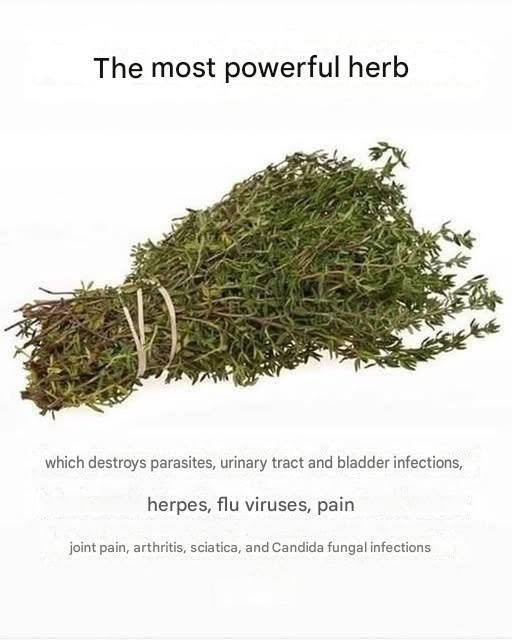
The plant shown in the image appears to be Euphorbia hirta, although a photograph alone cannot guarantee identification.
It has a long history in traditional medicine, particularly for respiratory and digestive complaints, and researchers have identified a variety of potentially bioactive compounds in the plant. (PubMed Central (PMC))
But the phrase “one leaf is worth a gold mine” is a metaphor, not a literal fact.
There is currently not enough high-quality human evidence to treat Euphorbia hirta as a proven cure for asthma, diabetes, infections, dengue, digestive diseases, or other serious conditions. Reviews of the research specifically point out the need for better-controlled clinical studies. (Wiley Online Library)
And because the plant belongs to a genus containing species with irritating latex, consuming or applying an unidentified plant preparation can carry risks.
The most valuable lesson may therefore be this:
Nature can contain remarkable chemistry, but “natural” does not automatically mean safe, and a traditional remedy is not automatically a proven medicine.
If you encounter this plant growing near your home, appreciate its botanical and cultural history—but make sure it is correctly identified before considering any medicinal use.