The “World’s Healthiest Fruit”? What Black Elderberries Can Really Do for Your Health
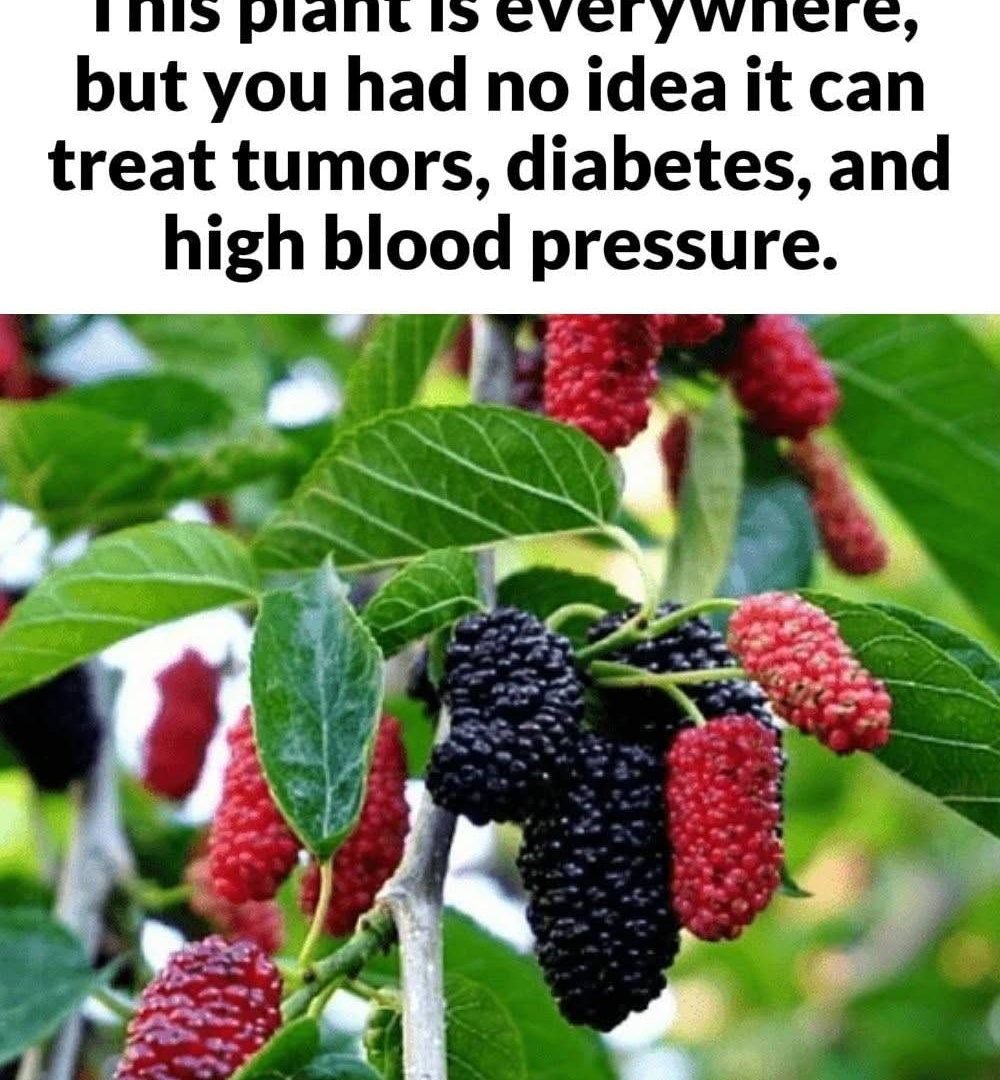
The fruit shown in the image appears to be black elderberries, which are commonly used fresh after proper preparation, dried, or in products such as syrups, teas, and other foods.
Elderberries have attracted a great deal of attention because they contain anthocyanins and other plant compounds with antioxidant activity. They can certainly be part of a nutritious diet.
However, claims that elderberries are “the world’s healthiest fruit” or that they prevent stroke, heart attack, dementia, and diabetes go much further than the available evidence supports.
No single fruit can guarantee protection against these diseases.
That does not mean elderberries are uninteresting or unhealthy. Quite the opposite: they contain several nutritional compounds worth understanding. The important thing is to separate their genuine nutritional value from exaggerated promises.
What Are Elderberries?
Elderberries are the small dark berries produced by certain species of elder plants.
When mature and properly prepared, the berries are deep purple to nearly black.
They are particularly notable for their concentration of naturally occurring pigments called anthocyanins. These compounds are responsible for much of the dark color found in elderberries and other deeply colored fruits.
Anthocyanins are part of a larger family of plant compounds known as polyphenols.
They are widely studied because of their antioxidant and other biological activities.
Elderberries also contain vitamin C, fiber, and several other nutrients, although the exact nutritional composition varies depending on the species, growing conditions, preparation, and serving size.
Why Are Elderberries So Dark?
The deep purple-black color of elderberries comes largely from anthocyanin pigments.
These compounds are found in many colorful fruits and vegetables, including:
Blackberries
Blueberries
Cherries
Purple grapes
Blackcurrants
Red cabbage
Purple sweet potatoes
The presence of these pigments is one reason dark-colored fruits are often included in discussions about antioxidant-rich foods.
But antioxidant activity in a laboratory does not automatically mean that eating a particular food will prevent a specific disease in humans.
That distinction is extremely important.
Can Elderberries Prevent a Stroke?
There is no good basis for claiming that eating elderberries guarantees prevention of stroke.
Stroke is a complex medical condition with many risk factors.
Some important risk factors include:
High blood pressure
Smoking
Diabetes
High cholesterol
Certain heart conditions
Physical inactivity
Obesity
Age
Family history
Certain blood-clotting conditions
Eating a diet rich in fruits and vegetables can contribute to overall cardiovascular health, but one fruit cannot eliminate these risks.
Elderberries may be part of a nutritious diet, but they should never be considered a replacement for blood-pressure treatment, cholesterol management, smoking cessation, physical activity, or medical care.