The “World’s Healthiest Fruit”? What Black Elderberries Can Really Do for Your Health
This is another popular claim.
Elderberry products have been studied for possible effects on respiratory symptoms and immune-related processes.
Some research has suggested potential benefits in certain circumstances, but the evidence is not strong enough to say that elderberry prevents infections or dramatically “boosts” immunity.
The immune system is extremely complex.
It depends on adequate nutrition, sleep, physical activity, vaccination where appropriate, underlying health, and many other factors.
No berry can replace these fundamentals.
What Nutrients Do Elderberries Provide?
Depending on the variety and preparation, elderberries can contribute:
Vitamin C
Dietary fiber
Anthocyanins
Other polyphenols
Small amounts of minerals
Various naturally occurring plant compounds
The nutritional value of the whole fruit is different from that of an extract or highly processed product.
Whole or appropriately prepared berries can therefore be viewed as one component of a varied diet.
Can Elderberries Help With Digestion?
Whole berries contain fiber, and dietary fiber is important for normal bowel function.
Fiber contributes to stool bulk and supports the activity of beneficial microorganisms in the digestive tract.
However, consuming too much fiber suddenly can cause:
Gas
Bloating
Abdominal discomfort
Changes in bowel movements
This is particularly relevant when consuming concentrated dried fruit.
Gradually increasing fiber and maintaining appropriate fluid intake can be easier on the digestive system.
What About Weight Loss?
Elderberries are not a fat-burning food.
No fruit can selectively melt abdominal fat.
Whole fruits can be useful in a weight-management diet because they provide water, fiber, and nutrients.
But dried berries are more calorie-dense because their water has been removed.
If the goal is weight management, portion size and the overall diet matter much more than choosing one particular fruit.
A person could easily consume a large number of calories from dried fruit, especially if it contains added sugar.
How to Include Elderberries Safely
If you are using properly prepared elderberries, there are many ways they can fit into meals.
They can be incorporated into:
Cooked fruit sauces
Oatmeal
Yogurt
Smoothies using appropriately prepared products
Baked goods
Homemade preserves
Other cooked recipes
If using commercially prepared dried elderberries or elderberry products, follow the preparation instructions on the product.
Do not assume that a product intended for cooking is safe to eat directly in large quantities.
Elderberries Are Not a Substitute for Medical Treatment
This point deserves emphasis.
If someone has high blood pressure, high cholesterol, diabetes, heart disease, or another chronic condition, eating elderberries should not be used as a reason to stop prescribed treatment.
For example, someone taking medication to control blood pressure should not discontinue that medication because they have started eating berries.
Likewise, a person with diabetes should not replace medical treatment with elderberry products.
Food can support health, but it is not interchangeable with evidence-based medical treatment.
Be Careful With Supplements and Medications
Concentrated herbal products can behave differently from ordinary foods.
Some elderberry supplements contain extracts or combinations of several ingredients.
People who take medications, are pregnant or breastfeeding, have an autoimmune condition, have undergone an organ transplant, or have other significant health conditions should discuss concentrated herbal products with an appropriate healthcare professional before using them regularly.
This is particularly important because supplement formulations can vary considerably.
The “World’s Healthiest Fruit” Claim
There is no scientifically established title of “world’s healthiest fruit.”
Different fruits provide different combinations of nutrients.
For example:
Citrus fruits are valuable sources of vitamin C.
Berries provide various polyphenols and fiber.
Bananas provide carbohydrates and potassium.
Avocados provide fiber and monounsaturated fat.
Kiwi provides vitamin C and other nutrients.
Apples provide fiber and various plant compounds.
Instead of looking for one winner, it makes more sense to eat a variety of fruits.
Different colors often correspond to different plant compounds.
Why Variety Matters
A person who eats several types of fruit throughout the week receives a broader range of nutrients and plant compounds than someone who eats enormous quantities of one “superfruit.”
For example, you might combine:
Blueberries
Oranges
Apples
Strawberries
Grapes
Kiwi
Elderberries when appropriately prepared
There is no requirement to eat every fruit every day.
The goal is dietary variety over time.
What Really Helps Reduce the Risk of Stroke and Heart Disease?
Instead of relying on a single food, focus on the factors with much broader importance.
A heart-healthy lifestyle generally includes:
Managing blood pressure
Avoiding tobacco
Being physically active
Eating plenty of vegetables and fruits
Choosing high-fiber foods
Managing cholesterol
Maintaining a healthy weight when appropriate
Limiting excessive alcohol
Getting adequate sleep
Managing diabetes when present
Following prescribed medical treatment
Elderberries can fit into this pattern.
They are not a replacement for it.
What Really Supports Brain Health?
Brain health also depends on a broad collection of factors.
Regular physical activity, good cardiovascular health, adequate sleep, social engagement, continued mental activity, and a nutritious diet can all contribute to healthy aging.
Eating colorful fruits such as berries can be part of that dietary pattern.
But no single fruit can guarantee prevention of dementia.
If a social-media post promises that one food will prevent dementia, heart attacks, strokes, and diabetes simultaneously, that should be treated as a warning sign that the claim has been exaggerated.
Final Thoughts
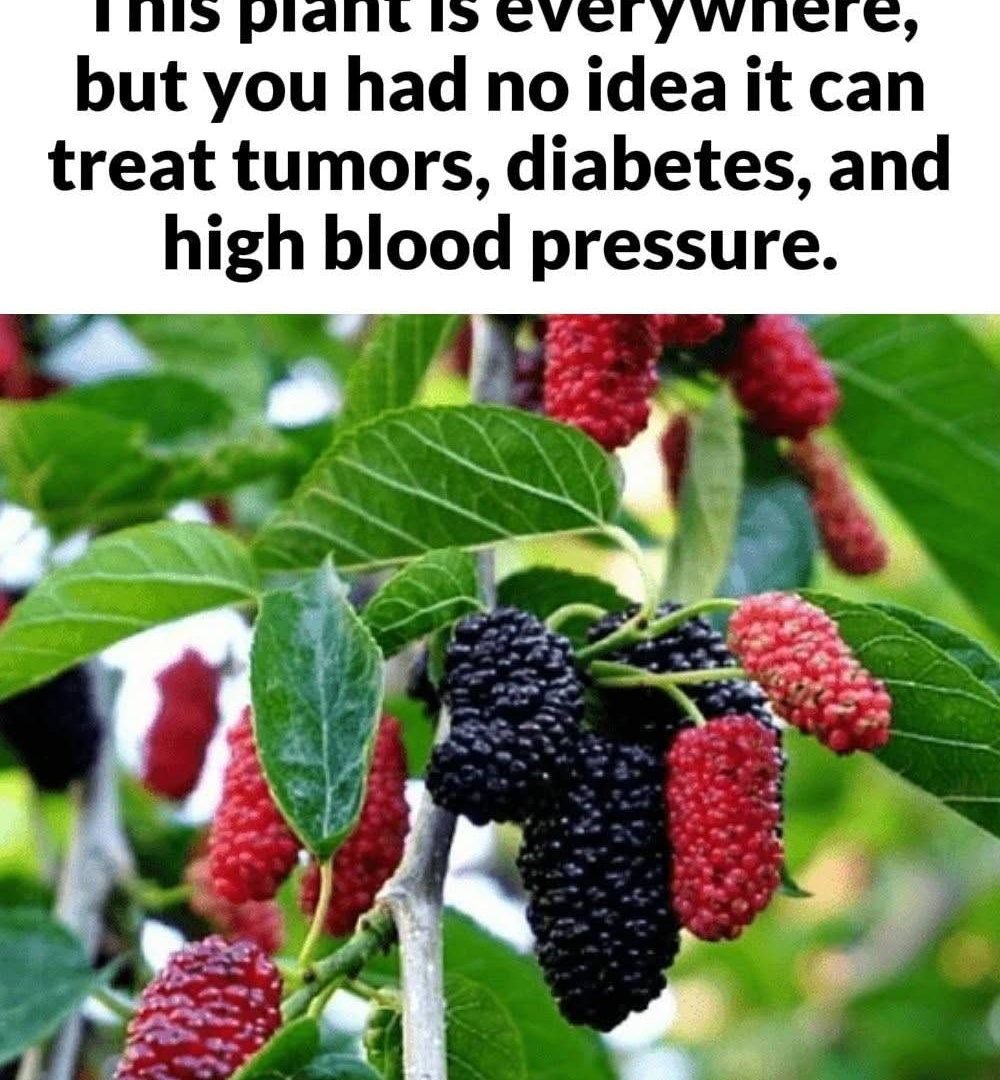
The dark berries shown in the image appear to be elderberries, but exact identification of a wild plant should never be based on a photograph alone.
Properly prepared elderberries can be a nutritious source of fiber, vitamin C, anthocyanins, and other plant compounds. Their deep color reflects the presence of naturally occurring pigments that have attracted considerable scientific interest.
However, the claim that elderberries are the “world’s healthiest fruit” and prevent stroke, heart attacks, dementia, and diabetes is not supported as a blanket medical claim.
Elderberries can be part of a healthy diet, but they are not a cure or guaranteed disease-prevention treatment.
Most importantly, do not eat raw or unripe elderberries or other parts of the elder plant without knowing how they should be prepared, because some parts can contain compounds that cause gastrointestinal illness. Proper cooking and correct identification are essential.
The healthiest approach is not to search for one magical fruit. Instead, build your diet around a variety of vegetables, fruits, legumes, whole grains, nuts, seeds, and appropriate protein sources.
Elderberries can certainly have a place in that pattern—but their real value is more interesting and more realistic than the exaggerated promise that one berry can prevent almost every major chronic disease.