The Beetroot Upgrade: What Happens to Your Body When You Eat Beets?
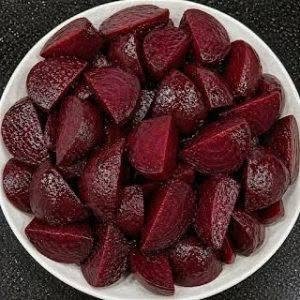
Beetroot is one of those foods that can look ordinary while providing a surprisingly rich combination of nutrients and plant compounds.
Its deep red-purple color comes from natural pigments called betalains, while beets also provide fiber, folate, potassium, and naturally occurring dietary nitrates.
That combination has made beetroot especially interesting in nutrition and exercise research. Studies have found that nitrate-rich beetroot products may modestly lower blood pressure and may improve certain aspects of exercise performance in some people.
But there is an important distinction between “beets can support your health” and claims that beets can cure disease, cleanse the blood, burn large amounts of fat, or replace medication.
They cannot.
The best way to think about beetroot is as a nutritious vegetable that can become part of a healthy eating pattern.
1. Your Blood Vessels May Benefit
One of the most researched properties of beetroot is its natural nitrate content.
Dietary nitrate can be converted in the body through several steps into nitric oxide, a molecule involved in blood-vessel relaxation and circulation.
This is one reason beetroot juice has been studied in people with elevated blood pressure.
Research reviews have found that beetroot juice can produce a modest reduction in blood pressure, particularly systolic blood pressure, although the effect varies between individuals and studies.
That doesn’t mean eating a few slices of beetroot will immediately normalize high blood pressure.
It also doesn’t mean someone taking blood-pressure medication should stop taking it.
Instead, beetroot can be considered one nutritious component of a diet that supports cardiovascular health.