The Beetroot Upgrade: What Happens to Your Body When You Eat Beets?
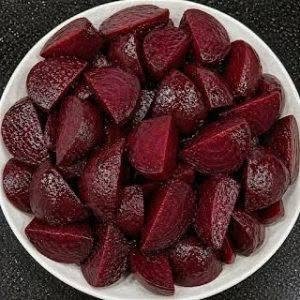
Whole beetroot contains dietary fiber.
Fiber is important for digestive health and can help contribute to normal bowel function.
It also helps make meals more filling.
Unlike beetroot juice, whole cooked or raw beetroot retains its physical structure and therefore generally provides more fiber.
Increasing fiber gradually can help reduce constipation, particularly when combined with adequate fluid intake.
However, suddenly eating very large amounts of high-fiber foods can cause:
Gas
Bloating
Abdominal discomfort
Changes in bowel movements
If your usual diet contains little fiber, increase it gradually rather than suddenly consuming enormous quantities of vegetables.
3. Your Exercise Performance May Improve Slightly
Beetroot has become popular among athletes because of its nitrate content.
Research suggests nitrate from beetroot may improve the efficiency of oxygen use during certain forms of exercise.
Some studies have reported improvements in endurance, exercise economy, or time-to-exhaustion measures.
More recent reviews continue to find potential benefits, although the size of the effect is generally modest and inconsistent, particularly among highly trained athletes.
That means beetroot isn’t a magic performance enhancer.
You won’t suddenly become an elite athlete because you drink beetroot juice.
Training, sleep, nutrition, hydration, and recovery remain much more important.
But for certain people and types of exercise, nitrate-rich beetroot may provide a small additional benefit.
4. Your Urine or Stool May Turn Red
This surprises many people.
After eating beets, some people notice that their urine becomes pink, red, or reddish-purple.
This is called beeturia.
It can look frightening, especially the first time it happens.
Beet pigments can also temporarily color stool reddish or dark pink.
In many cases, this is simply a harmless effect of the pigments passing through the digestive system.
However, you should not automatically assume every episode of red urine is caused by beets.
If red or bloody-looking urine occurs when you haven’t recently eaten beets, or if it persists, causes pain, or is accompanied by other symptoms, it should be medically evaluated.
Food can change urine color, but blood in urine has many possible causes and shouldn’t be ignored.
5. You Get Important Vitamins and Minerals
Beetroot isn’t a nutritional miracle, but it does contribute useful nutrients.
Depending on the amount consumed, beets can contribute:
Folate
Potassium
Fiber
Vitamin C
Manganese
Other micronutrients and plant compounds
Folate is important for DNA synthesis and normal cell division.
Potassium is involved in nerve function, muscle contraction, and fluid balance.
The nutritional value becomes even more meaningful when beets replace less nutritious foods rather than simply being added on top of an already excessive diet.
A colorful vegetable on your plate is generally a good thing.