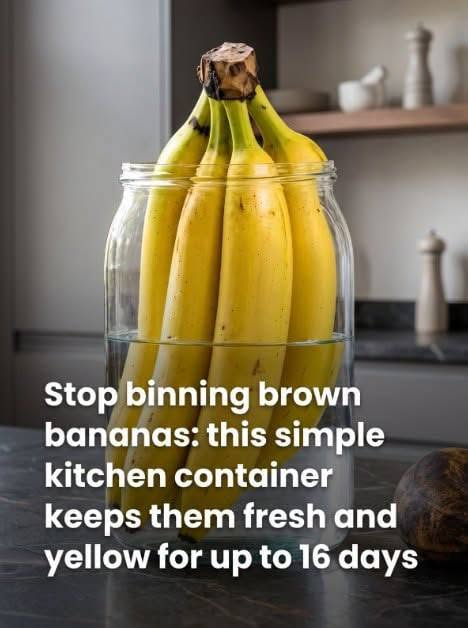
Bananas Last 10 Days Longer When Stored With One Kitchen Item Instead of in a Fruit Bowl
Fruit bowls are attractive and convenient, but they are not always the best place for bananas.
When bananas sit together with other fruits, they may be exposed to additional ethylene.
Apples, avocados, pears, peaches, and several other fruits also produce ethylene as they ripen.
When these fruits are placed close together, the surrounding ethylene concentration can increase and influence ripening.
This does not mean you must completely avoid fruit bowls.
Instead, consider keeping bananas separate from other fruits, particularly those that are already ripe.
A simple change in kitchen organization may help your fruit stay in better condition.
The Best Place to Keep Bananas Fresh
Choosing the right storage location is one of the most important steps in extending the useful life of bananas.
1. Keep Unripe Bananas at Room Temperature
If your bananas are still green or mostly green, leave them at room temperature.
A cool, dry location away from direct sunlight is generally ideal.
Avoid placing them beside an oven, stove, radiator, or sunny window.
Excessive heat can accelerate ripening.
2. Keep Them Away From Other Ripening Fruits
Try storing bananas separately from apples, avocados, and other ethylene-producing fruits.
This can help reduce their exposure to additional ethylene.
3. Use a Banana Hanger
A banana hanger is a small kitchen accessory designed to suspend bananas in the air.
It can help prevent the fruit from resting against a hard surface, reducing pressure marks and bruising.
Although hanging bananas does not stop the natural ripening process, it can help protect their appearance and condition.
4. Avoid Sealed Plastic Bags
Keeping bananas inside a tightly sealed plastic bag can trap moisture and encourage condensation.
Excess moisture may contribute to mold growth, particularly if the bananas have damaged areas.
If you need to transport bananas, use suitable packaging and avoid leaving them in warm, enclosed spaces for long periods.
Can You Put Bananas in the Refrigerator?
Yes, but timing matters.
Refrigeration is particularly useful once bananas have reached the ripeness you prefer.
If you have several yellow bananas and cannot eat them quickly enough, placing them in the refrigerator can slow further ripening.
One surprising thing may happen: the peel can become dark brown or nearly black.
This is generally a result of cold-related changes in the peel and does not automatically mean the fruit inside has spoiled.
The flesh may remain firm and edible for several days longer than it would at room temperature.
However, refrigeration is not ideal for completely unripe bananas because cold temperatures can interfere with normal ripening and affect the peel.
A useful rule: Let green bananas ripen at room temperature, then refrigerate them when they reach your preferred level of ripeness.
How to Freeze Bananas Before They Go Bad
Sometimes, even the best storage methods cannot prevent bananas from becoming overripe.
Instead of throwing them away, consider freezing them.
Frozen bananas are incredibly useful in the kitchen and can be used in several recipes.
Method 1: Freeze Peeled Whole Bananas
Remove the banana peels.
Place the bananas in a freezer-safe container or bag.
Remove as much excess air as practical.
Label the container with the freezing date.
Store in the freezer.
These bananas are excellent for smoothies and baking.
Method 2: Freeze Banana Slices
Sliced bananas are particularly convenient.
Peel the bananas.
Cut them into small pieces.
Arrange the pieces in a single layer on a baking tray.
Freeze until solid.
Transfer the frozen pieces into a freezer-safe bag.
Freezing them separately first helps prevent the slices from sticking together.
Frozen bananas generally maintain good quality for approximately two to three months, although they can remain safe longer if continuously frozen at the appropriate temperature.
Their texture becomes softer after thawing, making them better suited to smoothies, pancakes, and baked goods than eating fresh.
Five Signs Your Bananas Are Becoming Overripe
Brown spots do not necessarily mean a banana has gone bad.
In fact, many people prefer bananas when they develop small brown spots because the flesh becomes sweeter.
However, there are differences between normal ripening and spoilage.
Look for these signs:
1. Very soft flesh
A banana that feels extremely mushy may be past its preferred eating stage, although it can still be suitable for baking if it has no signs of spoilage.
2. Leaking liquid
If the fruit is leaking liquid, especially when accompanied by an unpleasant smell, it may be spoiled.
3. Mold
Visible fuzzy growth on the peel or exposed flesh is a reason to discard the banana.
4. Unpleasant odor
A fermented, rotten, or otherwise unusual smell can indicate spoilage.
5. Unusual texture or appearance inside
When peeled, the banana should not have signs of mold, unusual sliminess, or extensive deterioration.
When in doubt, discard it rather than taking unnecessary risks.