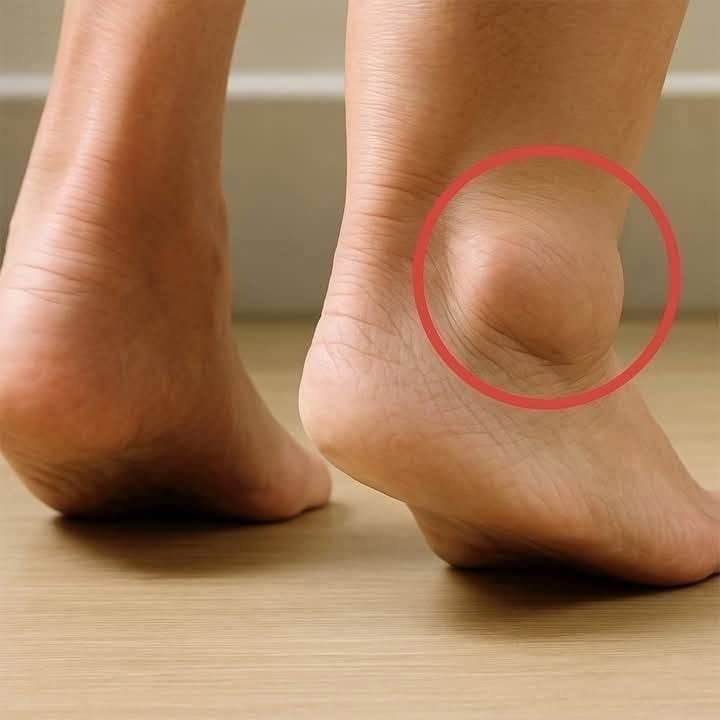
Can Two Tablespoons of This White Mineral Really Make Bone Pain, Nerve Problems, Anxiety, Depression and Insomnia Disappear?
Diarrhea
Nausea
Abdominal cramping
Extremely high amounts can cause much more serious toxicity, including:
Low blood pressure
Difficulty breathing
Abnormal heart rhythm
Cardiac arrest
The risk is particularly concerning in people with impaired kidney function because the kidneys normally help remove excess magnesium.
So “natural mineral” does not automatically mean “safe at any dose.”
If It’s Actually Ordinary Salt, the Advice Is Even More Concerning
If the white crystals in the image are table salt or another sodium-rich salt, consuming two tablespoons would be completely different from taking a magnesium supplement.
WHO recommends that adults consume less than 5 grams of salt per day, equivalent to less than 2,000 mg of sodium.
That’s the total daily amount—not a recommendation to take five grams as a morning supplement.
Excess sodium intake is associated with increased blood pressure and higher cardiovascular and kidney risks.
So nobody should look at this image and assume that eating two tablespoons of the crystals is beneficial.
Salt and Magnesium Are Completely Different
This distinction is important.
Table salt
Primarily contains sodium chloride.
Sodium is essential, but excessive sodium intake is a major health concern.
Epsom salt
Contains magnesium sulfate.
It is chemically different from table salt and shouldn’t automatically be treated as an oral dietary supplement.
Magnesium supplements
Can contain compounds such as:
Magnesium citrate
Magnesium glycinate
Magnesium chloride
Magnesium oxide
These differ in absorption, uses, and tolerability.