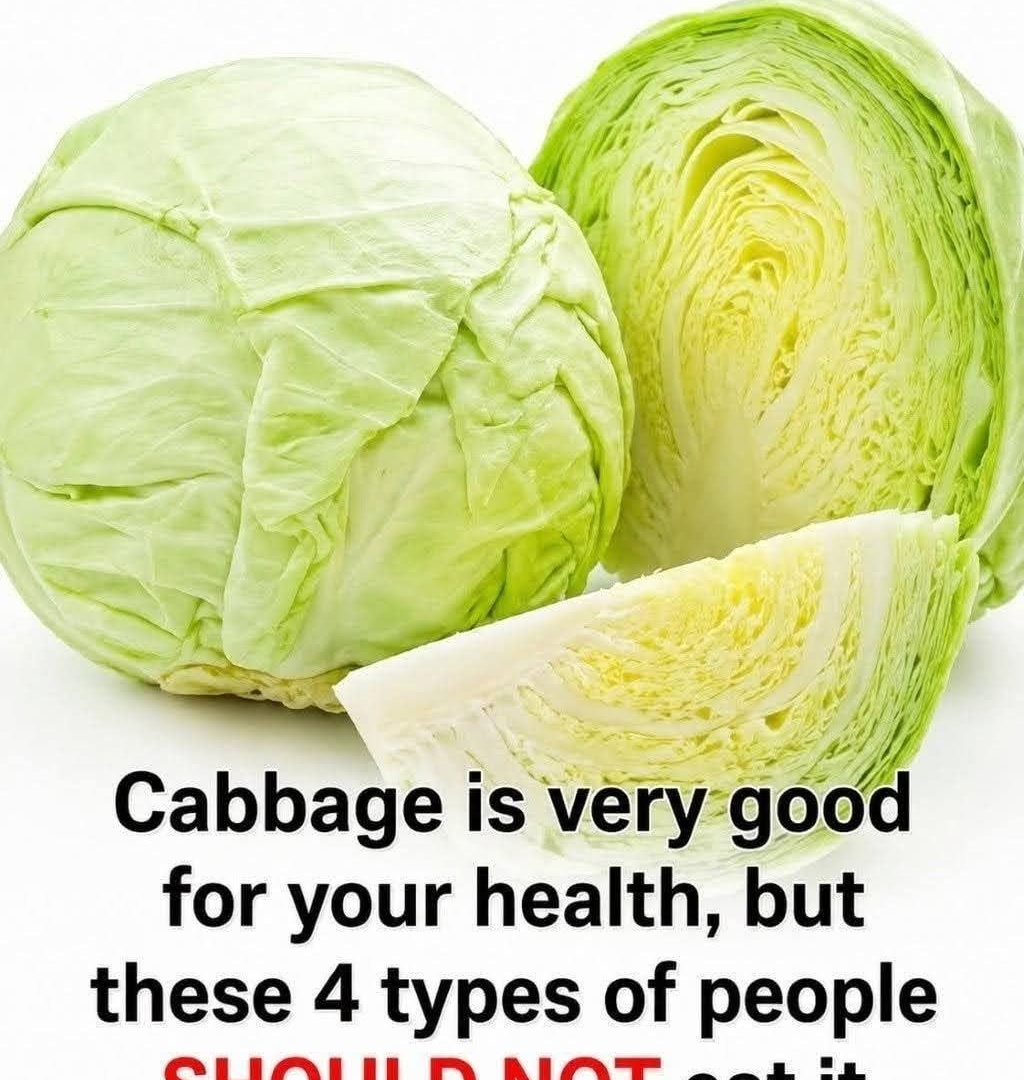
Doctors Explain What Eating Broccoli Can Cause in Your Body — The Benefits and Possible Side Effects
6. Broccoli Can Support a Heart-Healthy Diet
Broccoli is naturally low in calories while providing fiber and micronutrients.
Replacing some highly processed foods with vegetables can improve the overall nutritional quality of a diet.
A diet rich in vegetables is generally associated with better cardiovascular health.
Broccoli itself doesn’t magically clean arteries or dissolve cholesterol deposits.
Instead, its value comes from being one nutritious component of an overall eating pattern.
A heart-supportive diet can include vegetables, fruits, legumes, whole grains, nuts, seeds, fish, and other minimally processed foods while limiting excessive amounts of added sugars, sodium, and highly processed foods.
7. Broccoli May Help With Fullness
Because broccoli contains water and fiber, it can be filling without providing a large number of calories.
This can make it useful for people trying to manage their weight.
For example, adding steamed broccoli to a meal can increase the meal’s volume and nutritional content.
But broccoli itself does not “burn fat.”
Eating enormous quantities of broccoli will not automatically cause weight loss.
Weight changes depend on overall energy intake, physical activity, metabolism, sleep, medications, health conditions, and many other factors.
Broccoli can support a healthy eating pattern, but it is not a weight-loss treatment.
8. Raw Broccoli and Cooked Broccoli Are Not Identical
How broccoli is prepared can affect both its texture and nutritional characteristics.
Raw broccoli contains many of its natural compounds, but it can be harder for some people to digest.
Lightly steaming broccoli can make it softer and easier to eat.
Boiling for a long time can cause some water-soluble nutrients to move into the cooking water.
Steaming, microwaving, roasting, or lightly sautéing can be practical preparation methods.
There is no requirement to eat broccoli raw to make it healthy.
For someone who experiences bloating after raw broccoli, cooked broccoli may be easier to tolerate.
9. Broccoli Can Affect People With Sensitive Digestive Systems
Some people are particularly sensitive to fermentable carbohydrates found in certain vegetables.
Broccoli can cause more digestive symptoms in these individuals.
People with conditions such as irritable bowel syndrome may find that certain amounts or preparations of broccoli trigger symptoms.
This doesn’t mean broccoli is unhealthy.
It means individual tolerance matters.
One person may eat a large serving without any problem, while another may experience significant bloating after a much smaller portion.
Keeping a food and symptom diary can sometimes help identify patterns.
10. Broccoli Doesn’t “Detox” the Body
Another popular claim is that broccoli removes toxins from the body.
This is an oversimplification.
Your body already has organs responsible for processing and eliminating many substances, particularly the liver and kidneys.
Eating broccoli supports normal nutrition, but it doesn’t act like a special cleansing treatment that removes every toxin from the body.
The healthiest approach is to support the body’s normal functions through adequate nutrition, hydration, physical activity, sleep, and appropriate medical care.