Doctors Explain What Eating Broccoli Can Cause in Your Body — The Benefits and Possible Side Effects
11. Broccoli May Be Helpful for Bone Health
Broccoli provides vitamin K, vitamin C, and other nutrients involved in maintaining normal body functions related to bones.
Vitamin K contributes to normal bone metabolism, while vitamin C is involved in collagen formation.
However, bone health depends on many factors.
Adequate protein, calcium, vitamin D, physical activity, body weight, hormones, age, and genetics all play roles.
Eating broccoli is helpful as part of a nutritious diet, but it isn’t a replacement for treatment of osteoporosis or severe vitamin deficiencies.
12. People Taking Blood Thinners Should Pay Attention to Consistency
This is one of the most important medical considerations involving broccoli.
Vitamin K can interact with the effect of warfarin, an anticoagulant medication.
The issue isn’t simply that broccoli is “dangerous.”
Rather, suddenly changing the amount of vitamin K in the diet can affect anticoagulation management.
Someone taking warfarin should follow the dietary guidance provided by their healthcare professional and avoid making major dietary changes without discussing them.
Other blood-thinning medications don’t all work through the same mechanism, so people should not assume that every anticoagulant has the same dietary restrictions.
13. Broccoli Can Cause an Unpleasant Smell
There is a harmless but sometimes surprising consequence of cooking broccoli.
When broccoli is cooked, particularly when it is overcooked, some sulfur-containing compounds can produce a strong smell.
This is why an entire kitchen can sometimes smell strongly of cooked broccoli.
The smell does not mean that the vegetable has become poisonous.
Using shorter cooking times and appropriate ventilation can reduce the odor.
14. Eating Too Much Broccoli Isn’t Necessarily Better
Broccoli is healthy, but more is not always better.
A balanced diet should contain a variety of foods.
If someone eats enormous quantities of one vegetable every day, they may crowd other nutritious foods out of their diet.
Different vegetables provide different combinations of nutrients and plant compounds.
Instead of eating broccoli at every meal, consider rotating it with:
Carrots
Spinach
Peppers
Tomatoes
Cauliflower
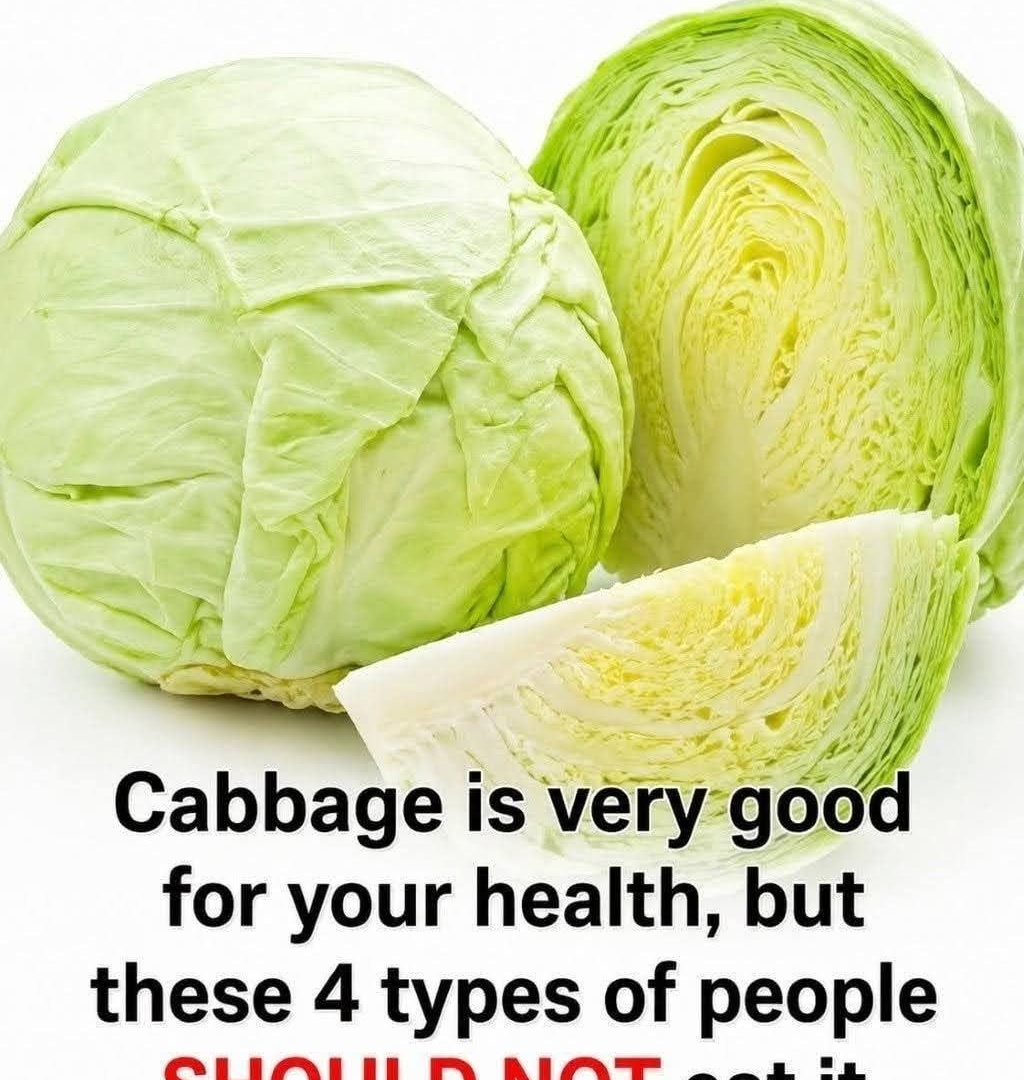
Cabbage
Green beans
Zucchini
Sweet potatoes
Leafy greens
Variety makes the diet more nutritionally diverse and enjoyable.
15. Broccoli and Thyroid Health
Cruciferous vegetables sometimes receive attention because they contain compounds called goitrogens.
This has led to online claims that broccoli can damage the thyroid.
For most people eating normal amounts of broccoli as part of a balanced diet, this is not a reason to avoid it.
Research on cruciferous vegetables and thyroid function is more complicated than social-media headlines suggest.
The risk is particularly different when considering extremely large amounts of raw cruciferous vegetables compared with ordinary dietary portions.
People with diagnosed thyroid disease should follow their healthcare professional’s dietary advice rather than eliminating nutritious vegetables based on internet claims.
How Much Broccoli Should You Eat?
There is no universal amount that every adult must eat.
A reasonable approach is to include broccoli as one of several vegetables in a varied diet.
A serving might be added to:
Lunch
Dinner
Soups
Stir-fries
Omelets
Pasta dishes
Grain bowls
Vegetable casseroles
Salads
If broccoli causes bloating, reduce the portion and see whether symptoms improve.
If you tolerate it well, there is generally no need to avoid it simply because an online headline claims it causes a hidden health problem.
How to Choose Fresh Broccoli
When buying fresh broccoli, look for firm heads with tightly packed florets.
The color should generally be green rather than extensively yellow or brown.
Avoid broccoli that has:
A strong rotten odor
Extensive sliminess
Significant mold
Very soft, decomposing areas
A few minor imperfections don’t necessarily mean the entire vegetable is unsafe, but visibly spoiled portions should be handled appropriately.
Wash fresh produce before eating or cooking it.
A Simple Way to Prepare Broccoli
One of the easiest methods is steaming.
Cut the broccoli into relatively similar-sized florets.
Steam until it becomes tender but still retains some firmness.
You can then add:
A small amount of olive oil
Garlic
Lemon zest or a small amount of lemon juice
Black pepper
Herbs
A modest amount of grated cheese
The result is simple, nutritious, and easy to incorporate into a meal.
Broccoli can also be roasted, stir-fried, or added to soups.
The Real “Cause” of Eating Broccoli
So, what does eating broccoli actually cause?
For most people, it contributes to a diet rich in:
Fiber
Vitamin C
Vitamin K
Folate
Plant compounds
Water
A relatively low calorie load
It may support normal digestion, nutrient intake, and overall dietary quality.
For some people, it can also cause temporary gas and bloating.
That is probably the “side effect” most people notice.
What it does not reliably do is cure cancer, detox the body, burn large amounts of fat, or guarantee protection against disease.
Final Takeaway
Broccoli is a nutritious cruciferous vegetable, not a miracle cure and not a hidden health threat.
Eating it regularly can be a useful part of a balanced diet because it provides fiber, vitamins, minerals, and beneficial plant compounds.
At the same time, some people may experience gas, bloating, or abdominal discomfort, particularly when eating large amounts or when their digestive system is sensitive to high-fiber foods.
People taking warfarin should pay attention to consistency in their vitamin K intake, and anyone with a specific medical condition should follow individualized dietary advice.
The healthiest approach is simple: eat broccoli if you enjoy it, prepare it in a way you tolerate well, and include it alongside a wide variety of other nutritious foods.
One vegetable does not determine your health by itself. Your overall eating pattern, lifestyle, medical care, activity level, sleep, and individual circumstances matter much more.