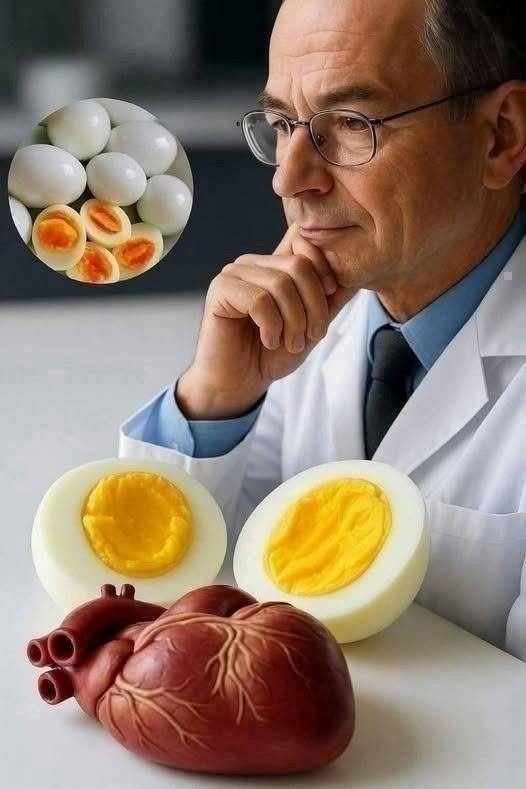
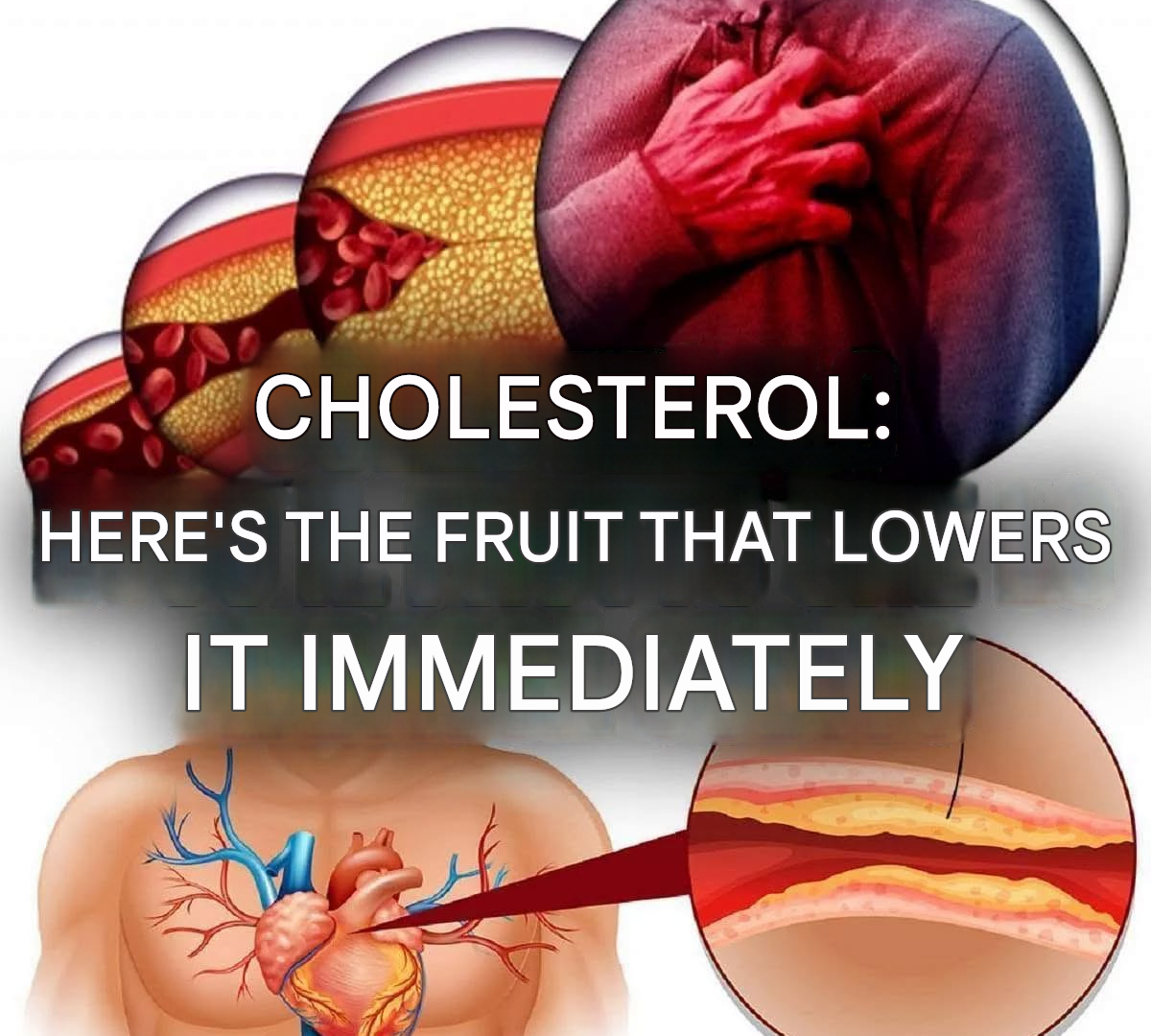
Doctors reveal that eating eggs in the morning causes …See more
There is no simple answer that applies equally to everyone.
Research examining egg consumption and cardiovascular health has produced mixed results.
Some studies have found little association between moderate egg consumption and cardiovascular disease in certain populations. Other research suggests that the relationship may depend on overall diet quality, existing health conditions, and lifestyle factors.
It is therefore misleading to claim that eating one egg every morning will automatically cause heart disease.
Cardiovascular health is influenced by many factors, including:
Blood pressure.
LDL and HDL cholesterol levels.
Smoking.
Physical activity.
Body weight.
Diabetes.
Family history.
Overall dietary habits.
A heart-conscious breakfast can include eggs alongside vegetables, fruit, oats, or whole grains.
Limiting processed meats and excessive saturated fat is also important.
8. Are Boiled Eggs Healthier Than Fried Eggs?
The nutritional value of an egg depends partly on how it is prepared.
Boiled eggs are often a convenient choice because they do not require added cooking fat.
Fried eggs can also be nutritious, especially when prepared using a small amount of unsaturated vegetable oil.
Scrambled eggs can provide similar nutrients, although adding large amounts of butter, cream, or cheese changes the nutritional profile.
Here is a simple comparison:
Boiled eggs: Cooked in water without added fat. They are convenient and easy to prepare in advance.
Poached eggs: Cooked in simmering water, usually without added oil or butter.
Fried eggs: Cooked in a pan, often with oil or butter. The amount and type of fat used influence the final nutritional profile.
Scrambled eggs: Cooked while stirring. Their nutritional content depends on whether milk, butter, cheese, or other ingredients are added.
There is no need to avoid fried or scrambled eggs entirely. The key is choosing preparation methods that fit your overall nutritional needs.
9. Are Three Eggs Every Morning Too Many?
The appropriate amount of eggs depends on individual circumstances.
For a healthy adult, eating eggs as part of a balanced diet may be reasonable. However, eating three or more eggs every day is not automatically necessary or beneficial.
Someone who eats three eggs daily should consider their overall dietary pattern, including other sources of saturated fat and cholesterol.
People with diabetes, high LDL cholesterol, cardiovascular disease, or inherited cholesterol disorders may need personalized advice.
It is also worth remembering that variety matters.
Instead of eating eggs at every breakfast, you can alternate them with oatmeal, Greek yogurt, beans, cottage cheese, or other nutritious foods.
A varied diet helps provide a broader range of nutrients.
10. Are Egg Whites Healthier Than Whole Eggs?
Egg whites and egg yolks contain different nutrients.
The egg white provides most of the egg’s protein and contains very little fat.
The yolk contains most of the egg’s fat, cholesterol, choline, vitamin D, vitamin B12, and carotenoids.
Choosing egg whites can be useful for people who want additional protein while limiting dietary fat and cholesterol.
However, removing the yolk also means missing several valuable nutrients.
For many people, eating whole eggs in reasonable portions can be part of a healthy diet.
The best choice depends on personal nutritional needs and medical circumstances.
11. Can Eating Eggs Cause Digestive Problems?
Eggs are generally easy to digest for many people, but individual reactions can vary.
Some people experience discomfort after eating eggs because of an allergy, intolerance, or the other ingredients included in the meal.
Egg allergy is more common in children than adults, although it can persist or develop later in life.
Symptoms may include:
Skin rashes or hives.
Itching.
Stomach discomfort.
Vomiting.
Diarrhea.
Swelling of the lips or face.
Severe allergic reactions can involve breathing difficulties and require emergency medical attention.
People who experience repeated symptoms after eating eggs should seek medical advice rather than repeatedly testing their tolerance themselves.
12. Why Food Safety Matters When Eating Eggs Daily
Eggs are nutritious, but they can sometimes carry harmful bacteria, including Salmonella.
Proper storage and cooking are important ways to reduce foodborne illness risks.
Keep eggs refrigerated when appropriate, follow local food safety recommendations, and avoid using eggs with cracked or contaminated shells.
Cook eggs until both the white and yolk are firm, particularly when preparing food for pregnant women, older adults, young children, or people with weakened immune systems.
Dishes containing eggs should also be handled carefully and refrigerated promptly.
If you prepare boiled eggs in advance, store them in the refrigerator and consume them within the recommended storage period.
What Is a Healthy Way to Eat Eggs in the Morning?
A nutritious breakfast does not need to be complicated or expensive.
Here are several simple combinations:
Option 1: Boiled Eggs and Whole-Grain Toast
Two boiled eggs.
One or two slices of whole-grain bread.
Fresh tomatoes.
Cucumber.
A piece of fruit.
Option 2: Vegetable Omelet
Two eggs.
Spinach.
Tomatoes.
Onions.
A small amount of olive oil.
Option 3: Eggs and Avocado
One or two boiled eggs.
A portion of avocado.
Whole-grain toast.
Fresh vegetables.
Option 4: Eggs with Oatmeal
Serve an egg alongside a bowl of oatmeal and fresh fruit for a breakfast containing protein, fiber, and several essential nutrients.
These meals demonstrate that eggs can fit into many different eating patterns.
So, Should You Eat Eggs Every Morning?
For most healthy adults, eggs can be a nutritious part of breakfast.
They provide high-quality protein, choline, vitamin B12, selenium, and other valuable nutrients.
They can also help make breakfast more satisfying and offer considerable flexibility in the kitchen.
However, eating eggs every morning is not a requirement for good health.
A balanced diet depends on variety, portion sizes, food quality, and individual nutritional needs.
People with high cholesterol, diabetes, cardiovascular disease, or inherited cholesterol conditions should discuss their dietary choices with a qualified healthcare professional.
The most important takeaway is simple: eggs are neither a miracle food nor something most people need to fear.
When prepared safely and included in a balanced eating pattern, they can be an affordable, practical, and nutritious breakfast option.
The real secret to a healthy morning isn’t eating one particular food every day. It’s building a balanced breakfast that gives your body the nutrients it needs.