Doctors Reveal What Eating Winged Beans Can Lead To: The Benefits and Risks You Should Know
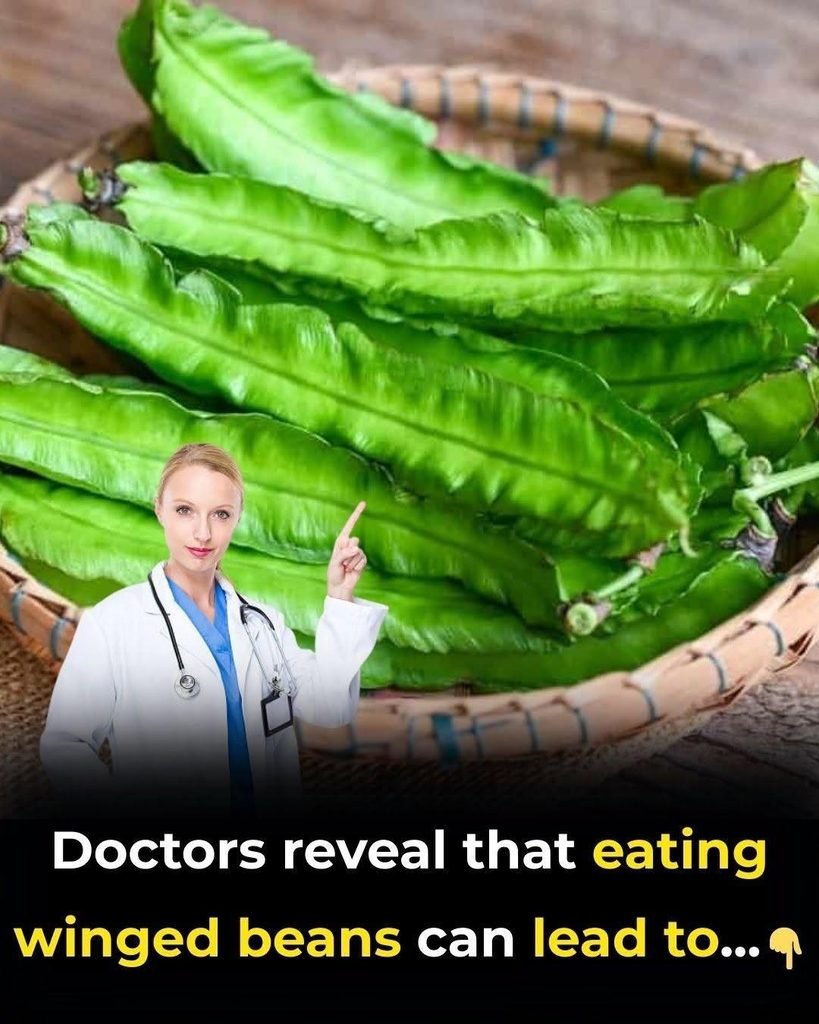
Winged beans are an unusual vegetable that many people have never tried. Their distinctive ridged pods give them their name, and they are especially popular in parts of Asia and tropical regions.
At first glance, winged beans may look unfamiliar, but they are actually a highly nutritious member of the legume family. The young pods can be cooked and eaten as a vegetable, while the mature seeds can be used similarly to other beans.
Viral posts sometimes claim that eating winged beans can produce dramatic health effects. Some claims are exaggerated, while others overlook an important point: how the beans are prepared matters.
When properly prepared, winged beans can provide protein, fiber, vitamins, minerals, and beneficial plant compounds. But eating certain parts raw or consuming large quantities can cause digestive problems and may expose you to naturally occurring antinutritional compounds.
What Are Winged Beans?
Winged beans are a tropical legume known scientifically as Psophocarpus tetragonolobus.
The young pods have four distinctive ridges or “wings” running along their length.
Almost the entire plant can be used as food, depending on its maturity and preparation.
People may eat:
Young pods
Mature seeds
Young leaves
Flowers
Tubers in some varieties
The young pods are particularly interesting because they can be prepared similarly to green beans.
1. Winged Beans Can Provide Plant Protein
One of the biggest nutritional advantages of winged beans is their protein content.
Legumes are among the most useful plant-based sources of protein, and mature winged-bean seeds can contain substantial amounts.
Protein is needed for:
Muscle maintenance
Tissue repair
Enzyme production
Hormone production
Immune function
Normal growth and development
For people who eat fewer animal products, legumes can be an important part of a balanced diet.
However, eating winged beans doesn’t mean you can ignore the rest of your protein intake.
A varied diet containing beans, lentils, peas, nuts, seeds, eggs, dairy, fish, or other appropriate protein sources can provide a broader range of nutrients.
2. They Are a Source of Dietary Fiber
The young pods and mature seeds contain dietary fiber.
Fiber supports normal digestion and can help maintain regular bowel movements.
It can also contribute to feelings of fullness after meals.
Regularly consuming fiber-rich foods is associated with a healthier overall dietary pattern.
However, suddenly eating large quantities of a high-fiber legume can cause:
Gas
Bloating
Abdominal discomfort
Changes in bowel movements
If winged beans are new to your diet, start with a moderate portion and see how your body responds.
3. Winged Beans Provide Important Micronutrients
Winged beans can contribute several vitamins and minerals to the diet.
Depending on the part of the plant and its preparation, they may provide nutrients such as:
Vitamin C
Folate
Vitamin A-related compounds
Calcium
Iron
Magnesium
Potassium
The exact nutritional composition varies depending on the maturity of the plant, growing conditions, and preparation method.
This is one reason legumes and vegetables can be valuable components of a varied diet.
4. They May Help You Feel Full
The combination of protein and fiber makes legumes particularly satisfying.
A meal containing winged beans may keep you feeling full longer than a meal based mainly on refined carbohydrates.
For example, cooked winged beans can be combined with vegetables and a source of whole grains or another protein to create a balanced meal.
This may indirectly support healthy weight management.
But winged beans themselves do not “burn fat.”
No vegetable can selectively melt belly fat.
5. They Contain Natural Plant Compounds
Like many legumes and vegetables, winged beans contain naturally occurring plant compounds.
Some of these compounds act as antioxidants or have other biological activities that researchers have studied.
This is one reason diets rich in a variety of plant foods are generally encouraged.
However, the presence of a particular plant compound does not mean that eating winged beans will cure a disease.
Food should be viewed as part of an overall dietary pattern rather than as a replacement for medical treatment.
The Most Important Warning: Don’t Assume Raw Beans Are Always Safe
This is particularly important with legumes.
Some raw or insufficiently cooked legumes contain naturally occurring compounds that can interfere with digestion or nutrient absorption.
These include substances such as lectins and other antinutritional factors.
The amounts vary considerably between different types of legumes and different parts of the plant.
Proper cooking helps reduce many of these compounds.
For that reason, mature winged-bean seeds should not simply be eaten raw.
6. Proper Cooking Makes Winged Beans Safer
If you’re preparing mature winged-bean seeds, thorough cooking is important.
Cooking can improve digestibility and reduce certain naturally occurring compounds that can cause problems when consumed in large amounts while raw or inadequately cooked.