Don’t get fooled by the supermarkets. They’re selling you meat from… See more
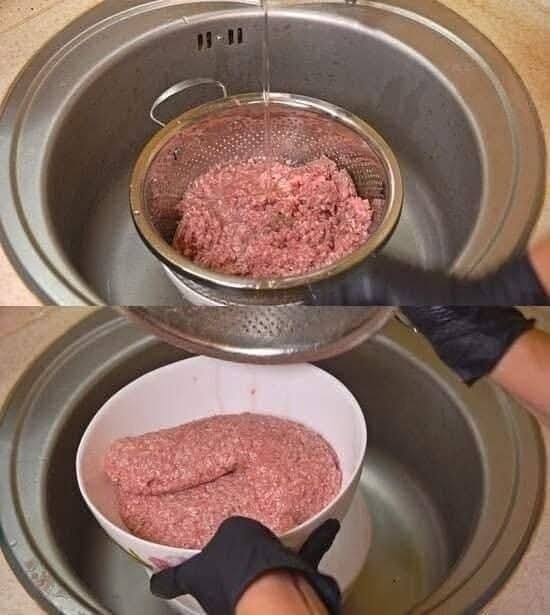
ave you ever stood at the meat counter and noticed that some ground beef is a deep, dark red, while other packages are a bright, almost neon pink? A viral image recently surfaced showing two side-by-side packages of ground meat—one dark and textured, the other bright pink and finely ground—with the caption: “Don’t get fooled by the supermarkets. They’re selling you meat from…”
This image has sparked a massive debate online, with many consumers wondering if the bright pink meat is artificially dyed, chemically treated, or even from a different animal altogether. The truth, however, is a fascinating mix of food science, marketing, and biology. In this article, we will uncover why supermarkets sell meat that looks different, what that bright pink color actually means, and how to make sure you are getting the best quality meat for your money.
The Visual Difference: Why Does Ground Meat Look Different?
At first glance, the image shows a stark contrast. On the left, we see a dark, maroon-colored block of meat wrapped in butcher paper. On the right, we see a bright, pinkish-red tray of meat wrapped in plastic.
The immediate assumption for many people is that the bright pink meat is “fake” or “filled with dyes.” But the reality is rooted in oxidation and packaging.
The Science of Meat Color: Myoglobin
The color of meat is determined by a protein called myoglobin. Myoglobin is responsible for storing oxygen in muscle tissue. When meat is first cut, the myoglobin reacts with oxygen in the air.
Dark Red/Brown: When myoglobin is exposed to oxygen for a long time, it oxidizes and turns brown. This is the natural color of meat that has been sitting out or is older.
Bright Red/Pink: When myoglobin is exposed to certain gases (like carbon monoxide or nitrogen) in a modified atmosphere package (MAP), it binds to the gas and creates a stable, bright cherry-red color. This is why the meat on the right looks so vibrant.
The Packaging Trick: Modified Atmosphere Packaging (MAP)
The bright pink meat on the right is almost certainly packaged using Modified Atmosphere Packaging (MAP). In this process, the air inside the plastic tray is replaced with a specific mixture of gases, usually oxygen and carbon dioxide.
This does two things:
Preserves Color: The oxygen keeps the meat looking fresh and pink for much longer.
Extends Shelf Life: The carbon dioxide inhibits the growth of bacteria.
So, the bright pink color is not a sign of dye; it is a sign of modern food preservation technology. However, this is where the “fooling” part comes in. The bright pink color can make older meat look fresher than it actually is.
The Texture Difference: Coarse vs. Fine Grind
Beyond the color, there is another major difference in the image: the texture.
The meat on the left is coarse-ground. You can see the individual pieces of fat and muscle. This is typically what you get when you ask a butcher to grind a specific cut of meat for you. It has a more natural, rustic texture and tends to cook better, holding its shape in burgers.
The meat on the right is fine-ground. It looks like a paste. This is often the result of high-pressure grinding in industrial machines. While it is not necessarily bad, fine-ground meat can sometimes be made from meat scraps or trimmings from various parts of the animal. It also has a higher risk of containing more fat and connective tissue, which can affect the taste and texture of your final dish.
The “Fooling” Factor: What Supermarkets Don’t Tell You
The viral post claims that supermarkets are “fooling” you. While they aren’t selling you fake meat, there are several ways the industry uses these visual cues to their advantage:
The “Fresh” Illusion
As mentioned, MAP packaging keeps meat pink for days, sometimes weeks. A package of meat that is 10 days old can still look bright pink. Consumers associate pink with freshness, so they buy it, unaware that the meat is actually older than it appears.
The “Lean” Illusion
Fine-ground meat often looks leaner because the fat is completely incorporated into the paste. However, it can actually contain a higher percentage of fat than coarse-ground meat, which is more transparent about its fat content.
The “Grade” Illusion
Supermarkets often mix different grades of meat. The bright pink color can mask the fact that the meat is from older animals or lower-quality cuts. A butcher’s dark red meat is often a sign of a specific, higher-quality cut, while the bright pink tray might be a blend of leftovers.
How to Protect Yourself from Being Fooled
So, how can you make sure you are getting the best meat? Here are some practical tips:
Look for the “Pack Date”: Always check the date on the package. If it was packed more than 3-4 days ago, it is not fresh, no matter how pink it looks.
Check the Fat Content: Look for the percentage of fat on the label. If it doesn’t say, ask the butcher. A good rule of thumb is 80/20 (80% lean, 20% fat) for burgers.
Trust Your Nose: Fresh meat should have a mild, clean smell. If it smells sour or ammonia-like, do not buy it.
Buy from a Butcher: If you want to know exactly what you are getting, buy from a local butcher. You can ask them to grind the meat in front of you, ensuring it is fresh and from a specific cut.
Don’t Judge by Color Alone: Remember that the bright pink color is a chemical reaction, not a guarantee of quality. The dark red meat on the left is actually closer to its natural state.
Conclusion
The viral image of the two ground meats is a perfect example of how visual marketing can influence our buying decisions. The bright pink meat is not “fake” or “dyed”—it is simply packaged in a way that preserves its color. However, this does not mean you should be complacent. By understanding the science behind meat color and packaging, you can avoid being fooled by supermarkets and make informed choices about the food you feed your family.
Do you prefer bright pink meat or dark red meat? Let us know in the comments below!