Drinking Water on an Empty Stomach: What You Need to Know
Drinking water after waking up is a simple habit that can help support hydration and overall health. However, many claims circulating online suggest that drinking water immediately after waking up can prevent heart attacks, dissolve blood clots, or remove cholesterol from the arteries. These claims need to be understood carefully.
Water is essential for the body, including the cardiovascular system. Staying properly hydrated supports normal blood circulation and helps the heart perform its normal function. But drinking water at a particular time of day is not a proven treatment for blocked arteries, blood clots, or heart attacks.
Why Drinking Water in the Morning Can Be Helpful
During sleep, you go several hours without drinking. You naturally lose some water through breathing, sweating, and urination.
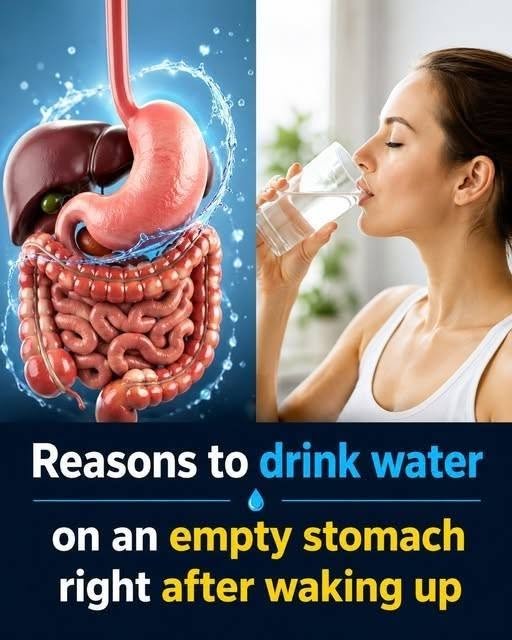
Having a glass of water after waking can therefore be a simple way to begin replacing fluids.
Some people find that drinking water in the morning also helps them feel more awake and refreshed. Others simply develop the habit because they are thirsty when they wake up.
There is no requirement to drink a specific amount immediately after getting out of bed. A normal glass of water is perfectly reasonable for most people.
The more important goal is to maintain adequate hydration throughout the entire day.
Does Drinking Water Prevent Heart Attacks?
This is one of the most important points to understand.
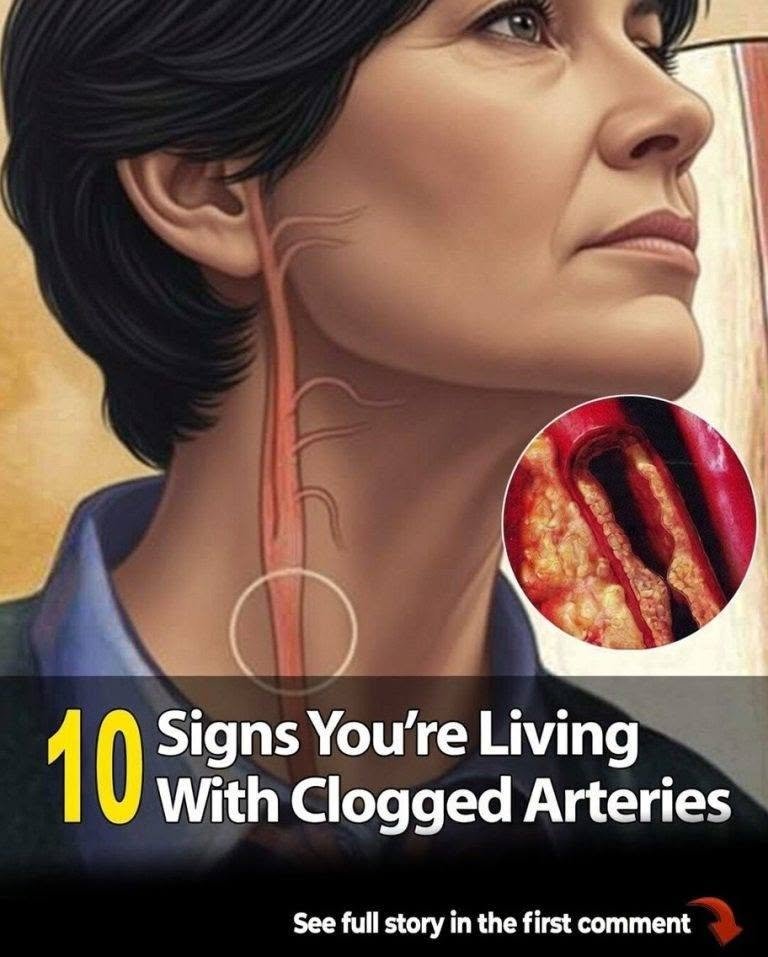
A heart attack usually occurs when blood flow to part of the heart becomes severely reduced or blocked. One common mechanism involves cholesterol-containing plaque developing inside a coronary artery. If the surface of a plaque becomes damaged, a blood clot can form and obstruct blood flow.
Drinking water cannot physically remove that plaque or dissolve a dangerous coronary blood clot.
Therefore, the claim that drinking water immediately after waking up can prevent a heart attack should not be treated as established medical advice.
Water supports normal body function, but it should not be considered a medication or emergency treatment for cardiovascular disease.
Can Water Clean Your Arteries?
You may encounter claims that drinking large amounts of water, warm water, lemon water, or water on an empty stomach can “flush” cholesterol from your arteries.
This is misleading.
Arterial plaque develops through complex biological processes over time. Drinking water does not wash plaque away like water cleaning dirt from a pipe.
Protecting cardiovascular health involves many factors, including:
Eating a balanced diet
Being physically active
Not smoking
Managing blood pressure
Managing cholesterol
Maintaining a healthy weight
Managing diabetes when applicable
Getting appropriate medical care
Drinking enough water can be part of a healthy lifestyle, but it cannot replace these measures.
How Much Water Should You Drink?
There is no universal amount that every person needs.
Your fluid requirements can change depending on:
Your body size
Physical activity
Weather
How much you sweat
Your diet
Illness
Pregnancy or breastfeeding
Certain medications
Certain medical conditions
A common general recommendation is to drink regularly throughout the day and increase your fluid intake when you are losing more water through sweating or illness.
Your body also gets water from foods such as fruits, vegetables, soups, yogurt, and other foods containing significant amounts of fluid.
Rather than forcing yourself to drink an enormous amount at once, it is generally more practical to drink regularly throughout the day.
Is It Better to Drink Water on an Empty Stomach?
There is nothing inherently dangerous about drinking water when your stomach is empty.
If you wake up thirsty, drinking water before breakfast is completely reasonable.
However, the idea that an empty stomach somehow transforms water into a special treatment for the heart is not supported by established medical evidence.
Water does not become a medicine simply because you drink it before eating.