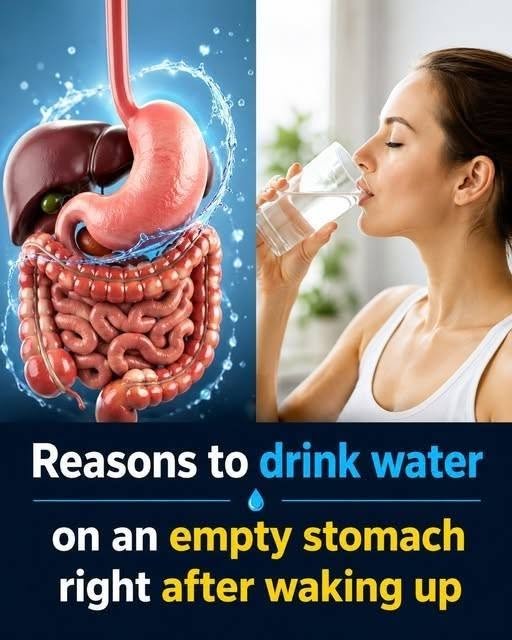
Drinking Water on an Empty Stomach: What You Need to Know
What About Warm Water?
Some people prefer warm water in the morning because they find it soothing and comfortable.
There is nothing wrong with this preference.
However, there is no need to drink warm water specifically to prevent heart disease.
The temperature of your water is much less important than maintaining appropriate hydration.
What About Lemon Water?
Adding lemon to water can make it more pleasant and may encourage someone to drink more.
Lemon also provides a small amount of vitamin C.
But lemon water should not be considered a treatment for clogged arteries or heart disease.
If you enjoy lemon water in the morning, it can simply be part of your normal diet and hydration routine.
Can Drinking Too Much Water Be Harmful?
Yes.
Although hydration is important, more water is not always better.
Consuming excessive amounts of water in a short period can overwhelm the body’s ability to maintain the proper balance of water and electrolytes.
For this reason, there is no benefit to forcing yourself to drink huge quantities of water simply because a social media post recommends it.
Drink regularly according to your thirst and circumstances, while following any specific fluid recommendations given to you by a healthcare professional.
People with certain heart, kidney, or other medical conditions may have individualized fluid requirements.
What Actually Protects Your Heart?
Heart health depends on long-term habits rather than one morning ritual.
A heart-supportive lifestyle generally includes a balanced eating pattern with plenty of vegetables and fruits, whole grains, healthy sources of protein, and healthier unsaturated fats.
It is also important to limit excessive amounts of added sugars, sodium, saturated fats, and highly processed foods.
Regular physical activity is another important part of cardiovascular health.
Avoiding tobacco is particularly important because smoking significantly increases cardiovascular risk.
Regular medical checkups can also help identify conditions such as high blood pressure, high cholesterol, or diabetes that may increase the risk of cardiovascular disease.
These factors have a much greater role in long-term heart health than whether you drink your first glass of water before or after breakfast.
Don’t Ignore Heart Attack Symptoms
One of the most important messages associated with this topic is knowing when to seek emergency medical attention.
Possible symptoms of a heart attack can include:
Pressure, squeezing, fullness, or pain in the chest
Discomfort spreading to an arm or both arms
Pain in the back, neck, jaw, or shoulder
Shortness of breath
Cold sweating
Nausea or vomiting
Lightheadedness
Unusual weakness or fatigue
Not everyone experiences the classic severe chest pain.
Symptoms can vary from person to person, and some people may experience less obvious symptoms.
If you believe you or someone else may be experiencing a heart attack, do not attempt to treat the problem by drinking water and waiting.
Seek emergency medical care immediately.
A heart attack is a medical emergency, and getting treatment quickly can be critical.
A Simple Morning Hydration Routine
For someone without a medical reason to restrict fluids, a simple morning routine can be enough:
1. Wake up and listen to your body.
If you’re thirsty, have some water.
2. Drink a comfortable amount.
You do not need to force down several large glasses.
3. Eat your normal breakfast if you are hungry.
There is no medical requirement to remain on an empty stomach after drinking water.
4. Continue drinking throughout the day.
Don’t rely exclusively on one large glass in the morning.
5. Pay attention to your body’s signals.
Thirst, dry mouth, and dark urine can be signs that you need more fluids.
The Bottom Line
Drinking water after waking up is a simple and healthy habit for most people.
It can help you maintain normal hydration after several hours of sleep, but it should not be presented as a cure or guaranteed prevention for heart attacks.
Water does not dissolve cholesterol plaques, unblock coronary arteries, or replace emergency medical treatment.
The best approach is to stay adequately hydrated throughout the day and combine that habit with a heart-healthy lifestyle, regular physical activity, a balanced diet, avoidance of tobacco, and appropriate management of blood pressure and cholesterol.
And if symptoms of a possible heart attack ever appear, don’t wait for water, food, exercise, or a home remedy to make them disappear. Get emergency medical help immediately.