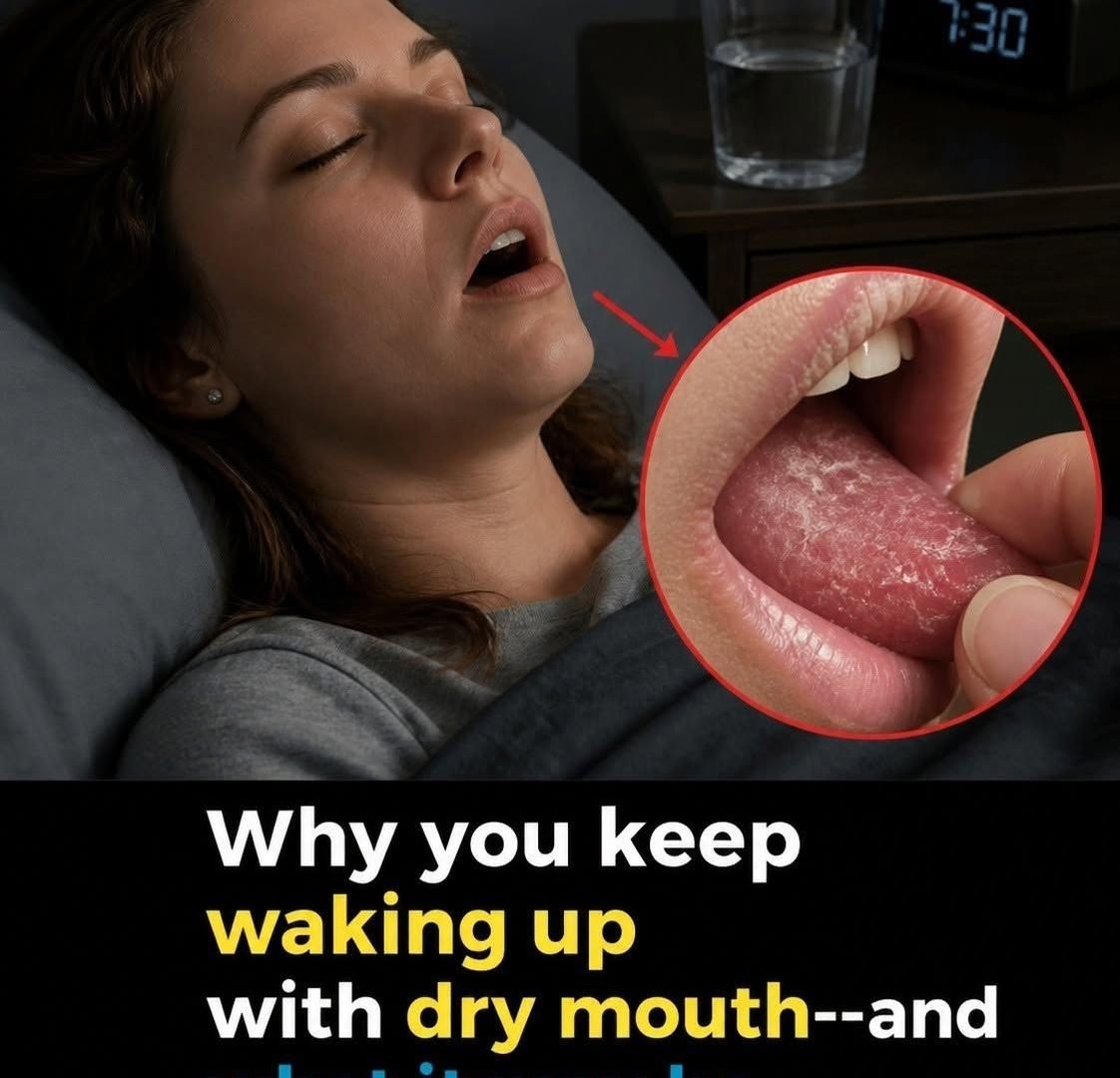
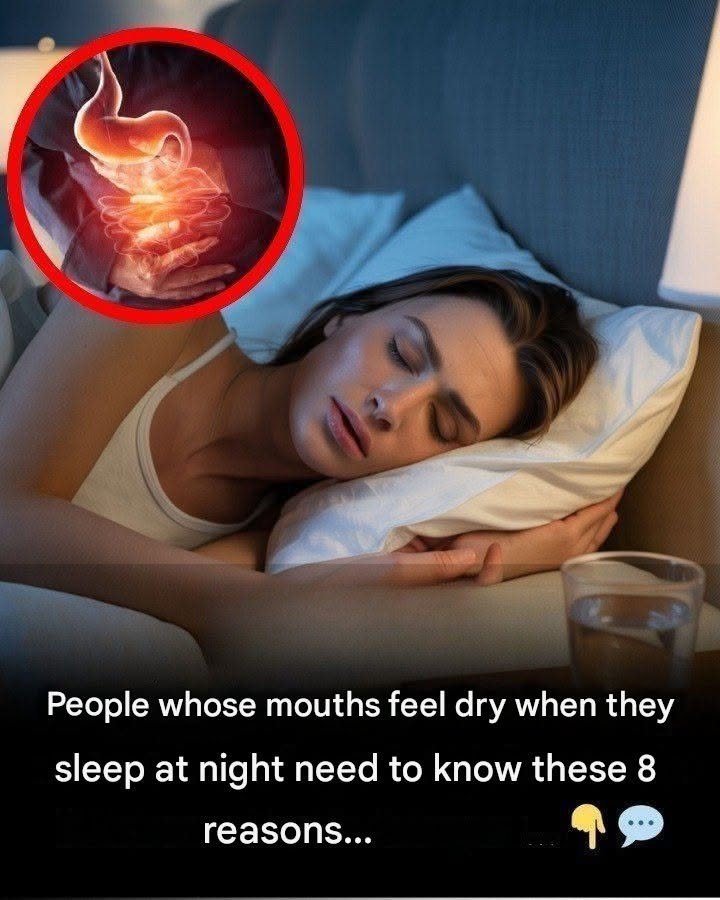
Dry Mouth While Sleeping? 8 Possible Reasons You Should Know
Waking up in the middle of the night with a dry mouth, sticky tongue, or an uncomfortable feeling in your throat can be frustrating. For some people, it happens occasionally, especially after sleeping in a warm room or forgetting to drink enough water during the day. For others, it becomes a regular problem that affects sleep quality and leaves them feeling uncomfortable every morning.
Dry mouth, medically known as xerostomia, occurs when the mouth does not have enough saliva to stay comfortably moist. Saliva plays an important role in everyday health. It helps lubricate the mouth, makes swallowing easier, supports digestion, protects teeth from decay, and helps control bacteria.
Although experiencing a dry mouth at night is relatively common, persistent symptoms should not always be ignored. They may be related to sleeping habits, dehydration, medications, nasal congestion, or certain medical conditions.
The good news is that many causes can be identified and managed with appropriate changes or medical treatment.
Here are eight possible reasons why your mouth feels dry when you sleep, along with practical ways to manage the problem.
1. Sleeping With Your Mouth Open
One of the most common reasons for waking up with a dry mouth is breathing through your mouth while sleeping.
When you breathe through your nose, the air is warmed, filtered, and humidified before reaching your respiratory system. When you breathe through your mouth, air passes directly across the tissues inside your mouth and throat.
This can increase moisture loss, particularly during several hours of sleep.
You may notice symptoms such as:
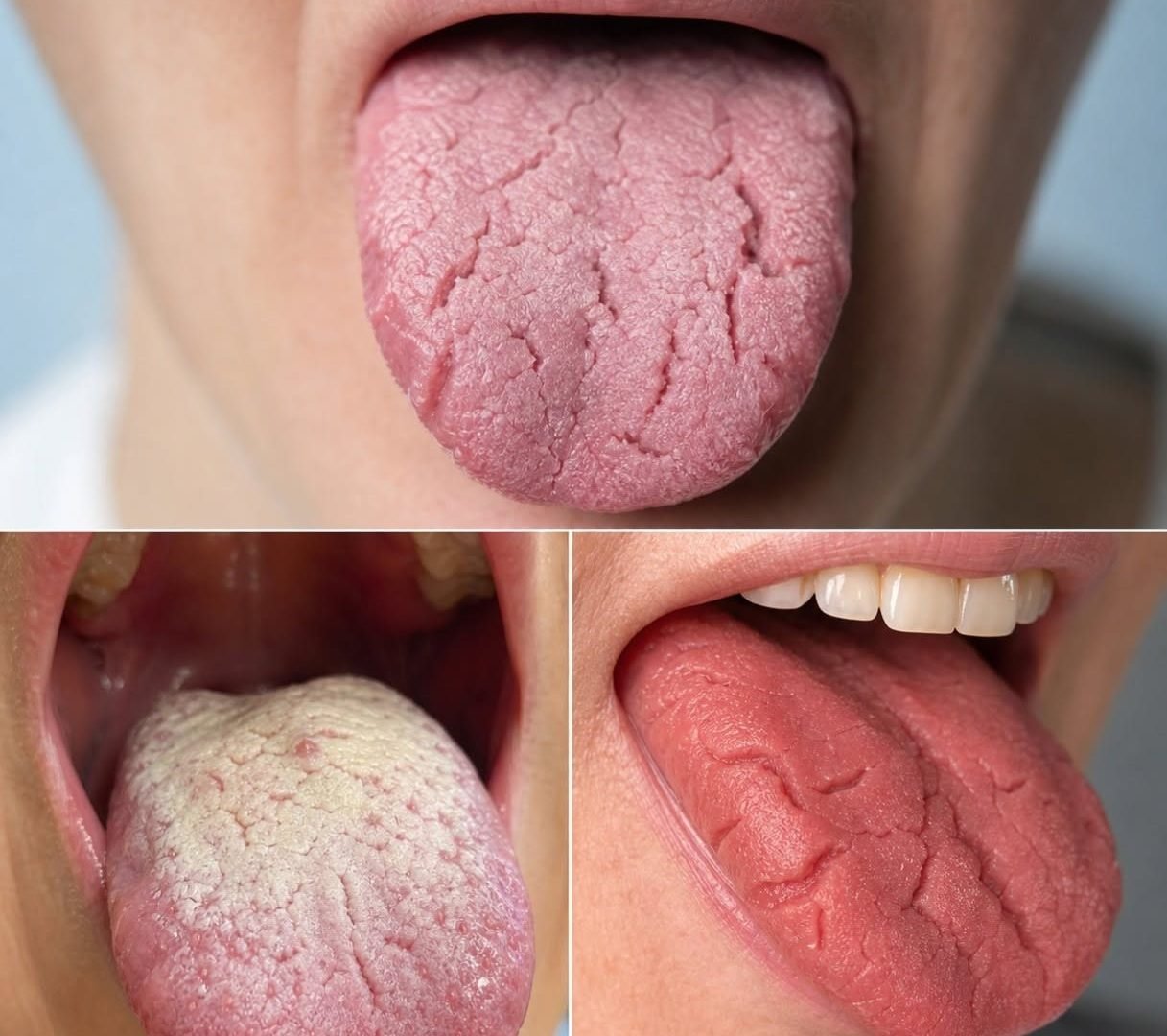
A very dry tongue when waking up.
Sticky saliva or an unpleasant feeling inside the mouth.
Dry or irritated lips.
A scratchy throat in the morning.
Bad breath after waking up.
Mouth breathing can happen occasionally, but it may also be associated with nasal congestion, allergies, a deviated nasal septum, enlarged nasal structures, or certain sleep-related breathing problems.
Some people naturally sleep with their mouths open without realizing it.
What Can Help?
If nasal congestion is contributing to mouth breathing, identifying and treating the underlying cause may improve the situation.
Saline nasal sprays or rinses may help relieve some types of nasal congestion. People with persistent allergies may benefit from discussing appropriate treatment with a healthcare professional.
It is important not to force your mouth closed while sleeping. Mouth taping is not a suitable solution for everyone and may be unsafe for people with nasal obstruction or sleep-disordered breathing.
If you regularly wake up with a dry mouth, snore loudly, or experience choking or gasping during sleep, discuss these symptoms with a healthcare professional.
2. Not Drinking Enough Water During the Day
Dehydration is another possible reason for nighttime dry mouth.
Your body needs water to maintain normal functions, including saliva production. When you do not consume enough fluids, your body may conserve water, and you may notice that your mouth feels unusually dry.
Dehydration can occur for several reasons:
Drinking too little water.
Spending time in hot weather.
Sweating heavily.
Exercising without replacing lost fluids.
Experiencing fever.
Having vomiting or diarrhea.
Consuming excessive amounts of alcohol.
Some people do not notice that they are drinking very little throughout the day. They may only recognize the problem when they wake up with a dry tongue or throat.
Other possible signs of dehydration include thirst, darker urine, reduced urination, tiredness, and dizziness.
What Can Help?
Try drinking water regularly throughout the day instead of waiting until you become extremely thirsty.
Keep a glass of water near your bed if you occasionally wake up thirsty.
However, avoid drinking excessive amounts of water immediately before sleeping, especially if doing so causes frequent nighttime bathroom visits.
Your fluid requirements depend on factors such as activity, climate, diet, age, and health conditions. People with kidney, heart, or other medical conditions may have specific fluid restrictions and should follow their healthcare professional’s advice.
If dry mouth continues despite adequate hydration, dehydration may not be the only explanation.
3. Certain Medications Can Reduce Saliva Production