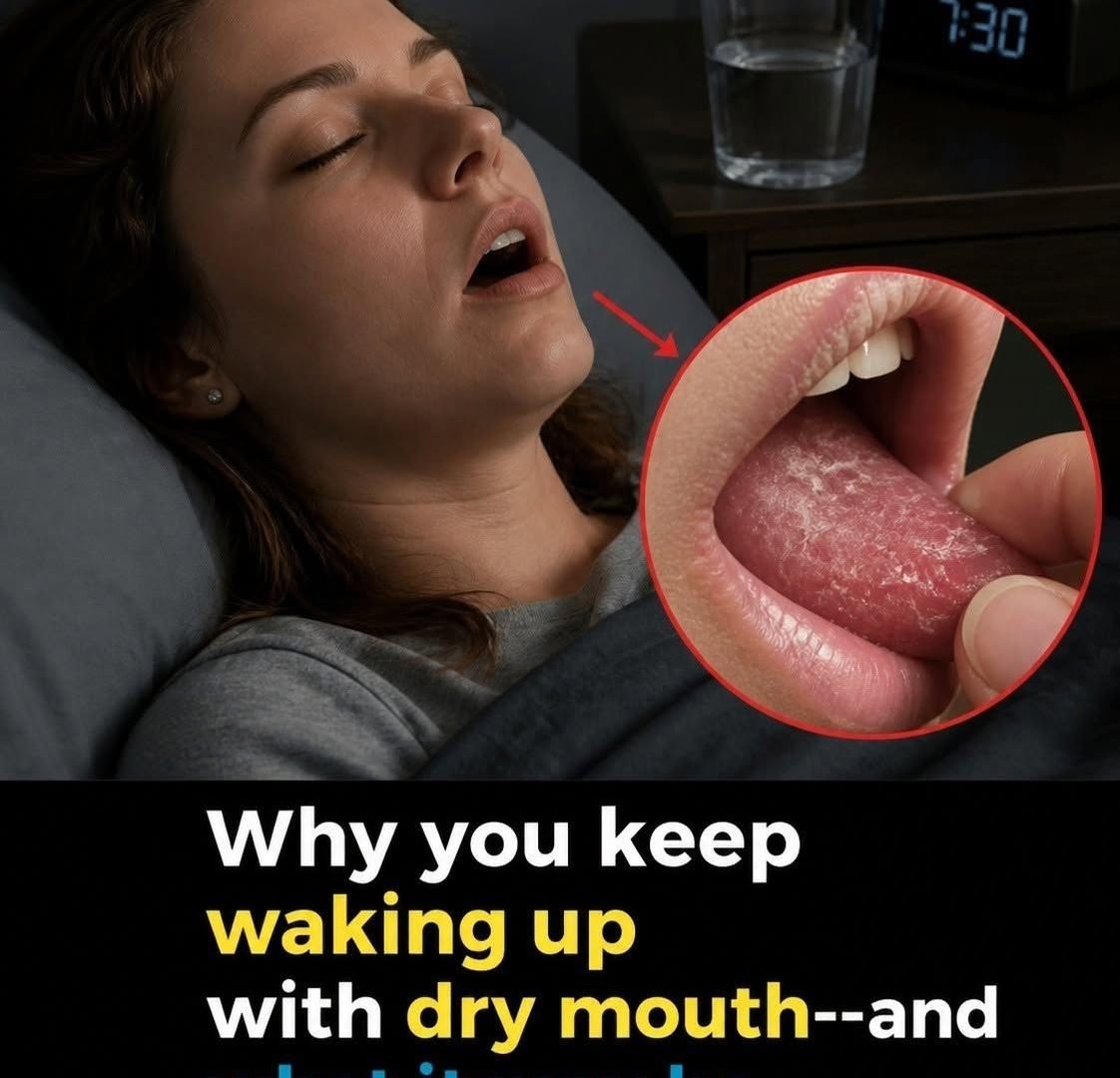
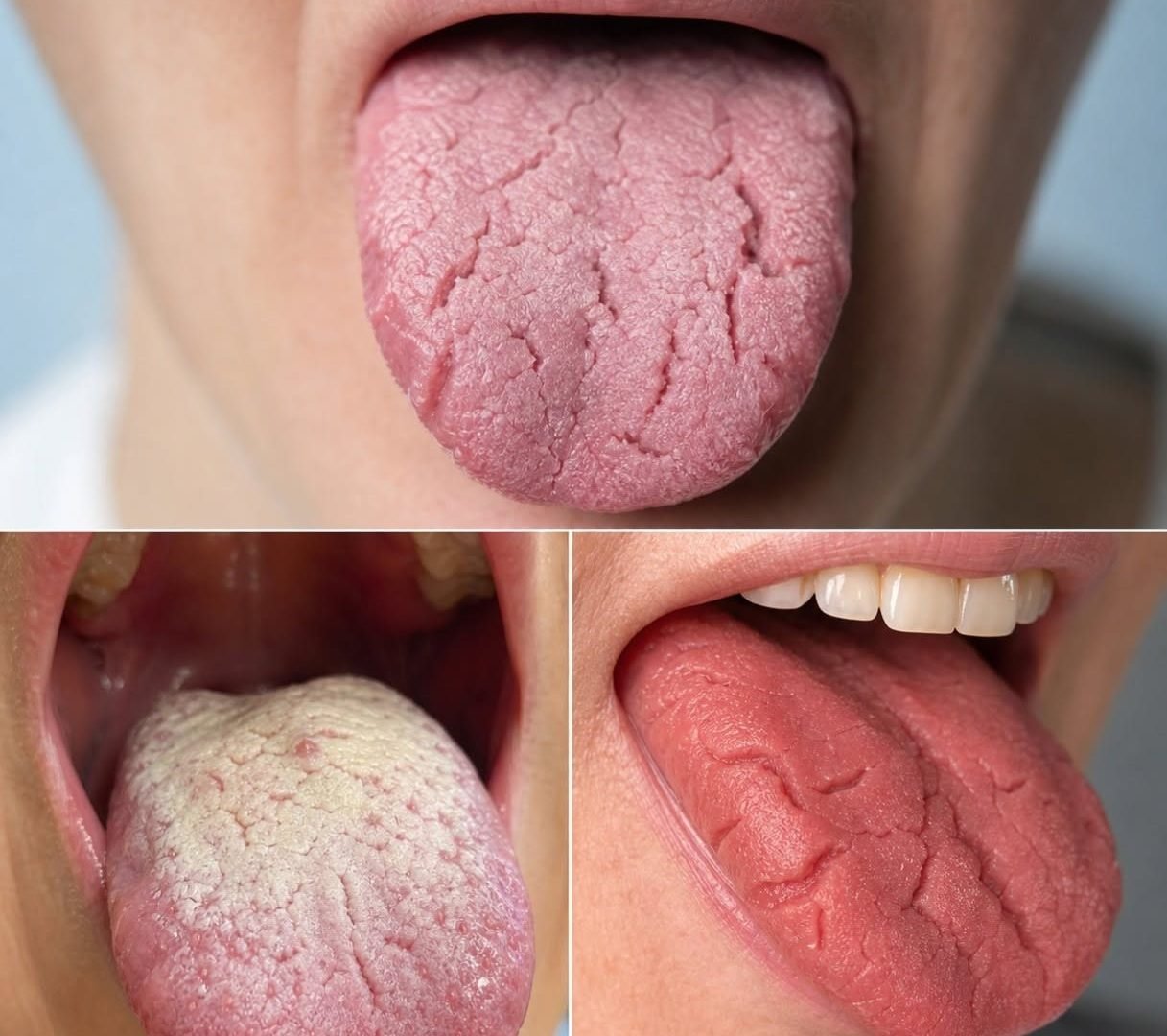
Dry Mouth While Sleeping? 8 Possible Reasons You Should Know
Medication side effects are a frequently overlooked cause of dry mouth.
Many commonly prescribed and over-the-counter medicines can affect the nerves and glands responsible for saliva production.
Some medications may reduce saliva directly, while others can influence the body’s fluid balance or cause changes in the mouth.
Examples include:
Certain antihistamines used for allergies.
Some antidepressants.
Certain medications for anxiety.
Some blood pressure medicines.
Certain bladder-control medications.
Some pain medications.
Certain decongestants.
Some medications used to treat Parkinson’s disease.
The likelihood of experiencing dry mouth may increase when someone takes several medications at the same time.
For example, an individual taking medication for allergies, blood pressure, and another health condition may experience more noticeable dryness than someone taking only one medicine.
What Can Help?
If your dry mouth began after starting a new medication or changing a dose, speak with your doctor or pharmacist.
They can review your medication list and determine whether one or more medicines may be contributing to the problem.
Depending on the medication and your medical needs, a healthcare professional may consider adjusting the dose, changing the timing, or recommending an alternative.
Never stop taking prescribed medication without medical advice.
In the meantime, sipping water, using sugar-free gum during the day, and trying saliva substitutes may provide relief.
4. Nasal Congestion, Allergies, and Sinus Problems
Your nose plays an important role in comfortable breathing during sleep.
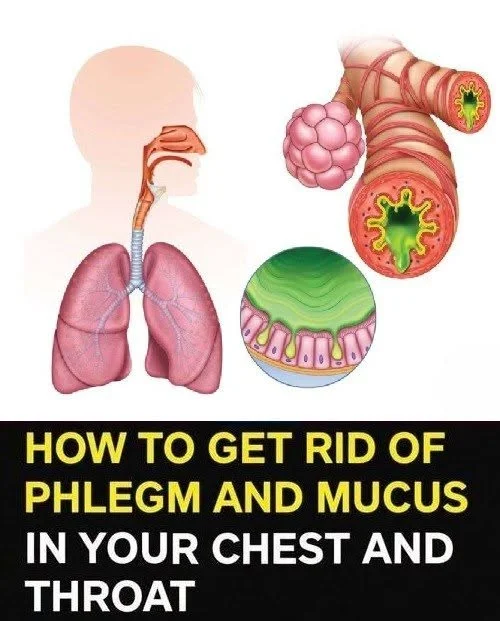
When nasal passages become blocked, breathing through the nose can become difficult. As a result, you may begin breathing through your mouth without realizing it.
Common causes of nasal congestion include:
Seasonal allergies.
Dust allergies.
Pet allergies.
Colds and respiratory infections.
Sinus inflammation.
A deviated nasal septum.
Nasal polyps.
Allergic reactions can also cause sneezing, itching, a runny nose, and irritation.
If congestion becomes worse at night, you may wake up with a dry mouth even if you drink enough water during the day.
What Can Help?
Try to identify possible triggers in your sleeping environment.
Regularly washing pillowcases and bedding, reducing dust accumulation, and keeping pets away from the sleeping area may help people whose symptoms are triggered by allergens.
A saline nasal spray may help moisturize nasal passages and loosen mucus.
If nasal blockage is persistent, a healthcare professional can investigate the cause and recommend suitable treatment.
Avoid using decongestant nasal sprays for longer than recommended, because some products can cause rebound congestion when overused.
5. Snoring and Obstructive Sleep Apnea
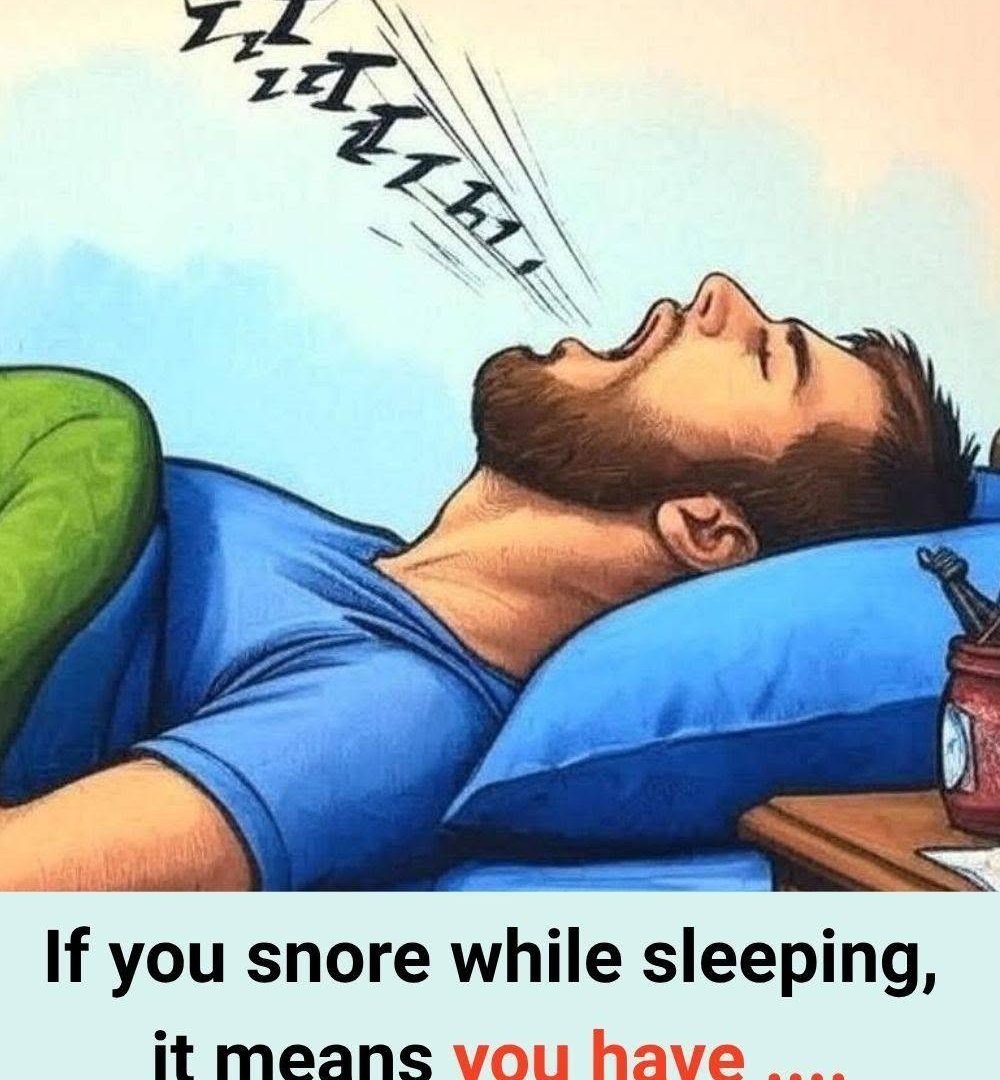
Snoring is another possible factor associated with dry mouth during the night.
When someone snores, airflow through the upper airway causes surrounding tissues to vibrate. Some people who snore also breathe through their mouths, which can increase moisture loss.
However, persistent loud snoring may sometimes indicate a condition called obstructive sleep apnea.
Sleep apnea occurs when the upper airway repeatedly becomes partially or completely blocked during sleep. These interruptions can reduce airflow and cause brief awakenings.
Possible symptoms include:
Loud, persistent snoring.
Repeated pauses in breathing noticed by another person.
Gasping or choking during sleep.
Waking up with a dry mouth.
Morning headaches.
Excessive daytime sleepiness.
Difficulty concentrating.
Feeling unrefreshed after a full night in bed.
Not everyone who snores has sleep apnea, and not everyone with sleep apnea experiences noticeable snoring.
What Can Help?
If you regularly snore loudly, wake up gasping, or feel excessively sleepy during the day, seek medical assessment.
A healthcare professional may recommend a sleep study to determine whether sleep apnea is present.
Treatment depends on the cause and severity. Options may include positive airway pressure therapy, oral appliances, positional strategies, or other treatments.
Treating sleep apnea can improve sleep quality and may also reduce symptoms associated with nighttime mouth breathing.
6. Diabetes and Blood Sugar Problems
Persistent dry mouth can sometimes occur in people with diabetes.
When blood glucose levels become too high, the kidneys may remove excess glucose through urine. This can increase urination and contribute to fluid loss.
As the body loses more fluid, thirst and dry mouth may become noticeable.
Other possible symptoms of diabetes include:
Frequent urination.
Increased thirst.
Unexplained weight loss.
Increased hunger.
Fatigue.
Blurred vision.
Slow-healing cuts or wounds.
Recurrent infections.
Not everyone with diabetes experiences all these symptoms.
Dry mouth alone does not mean someone has diabetes. It can have many other explanations.
However, if persistent dryness occurs alongside excessive thirst, frequent urination, or unexplained weight changes, discussing blood glucose testing with a healthcare professional is sensible.
What Can Help?
A doctor may recommend blood tests such as fasting blood glucose or HbA1c to evaluate blood sugar levels.
If diabetes is diagnosed, appropriate management can help reduce complications and improve overall health.
People who already have diabetes should also pay attention to oral health because reduced saliva and elevated blood glucose can increase the risk of dental problems.
7. Alcohol, Caffeine, and Tobacco Use
Certain substances can contribute to dry mouth, particularly when consumed regularly or in large amounts.
Alcohol can increase urine production and contribute to dehydration. It may also irritate the tissues inside the mouth.
Caffeine affects people differently. Although moderate caffeine consumption does not necessarily cause significant dehydration in regular users, coffee and other caffeinated beverages may aggravate dry-mouth symptoms in some individuals.
Tobacco products can also irritate the mouth and affect oral health.
Possible contributing habits include:
Drinking alcohol in the evening.
Consuming large amounts of coffee late in the day.
Smoking cigarettes.
Using other tobacco products.
Using recreational substances that affect saliva production.
These habits may also interfere with sleep quality.
What Can Help?
Consider reducing alcohol consumption, particularly close to bedtime.
If coffee seems to make your symptoms worse, try reducing your intake or avoiding caffeinated drinks later in the day.
Avoid smoking and tobacco products.
If you use medication or other substances that may affect saliva production, discuss persistent symptoms with a healthcare professional.
Small changes in daily habits may help, although they will not resolve every underlying cause of dry mouth.
8. Hormonal Changes and Conditions Affecting Salivary Glands