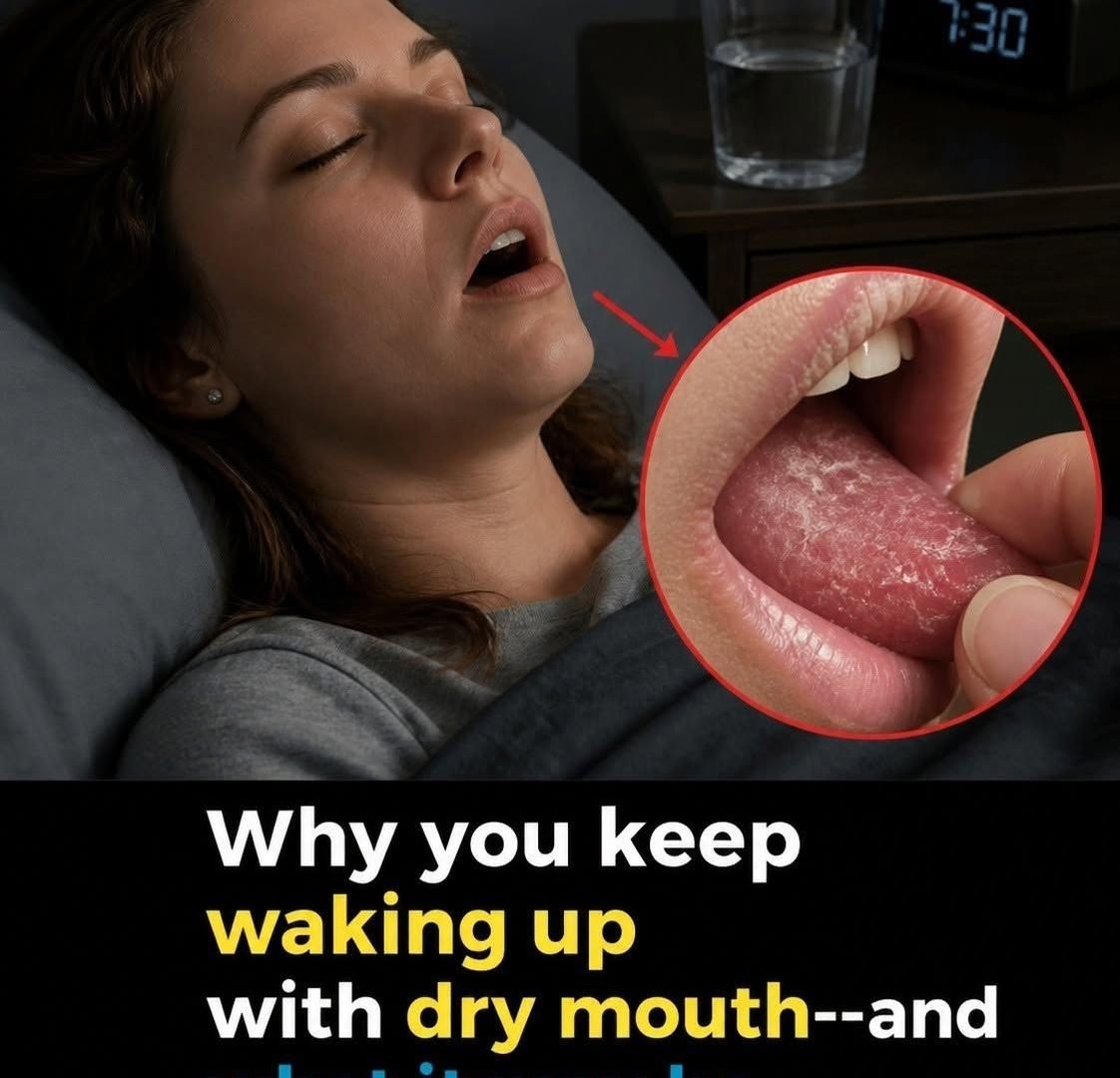
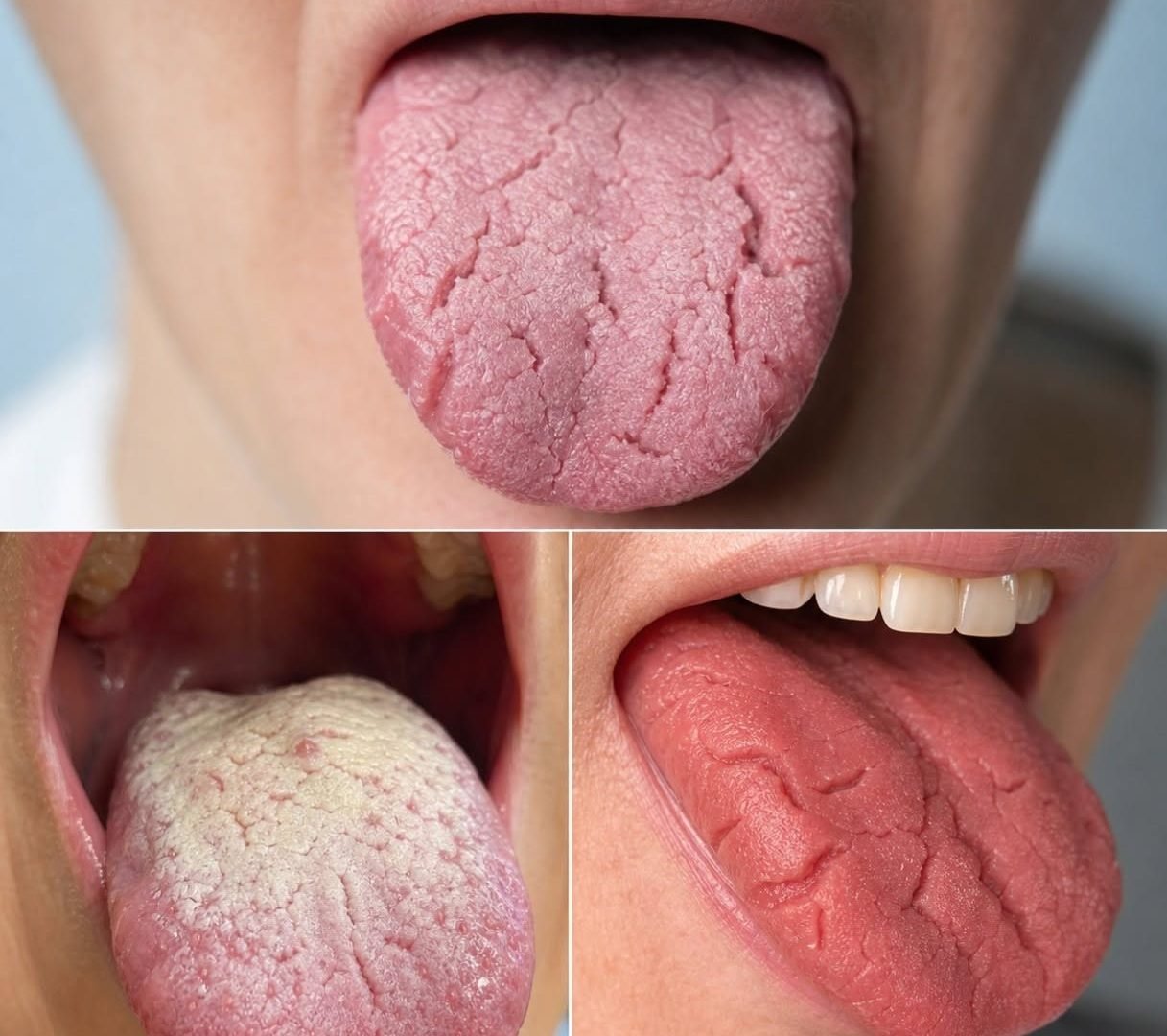
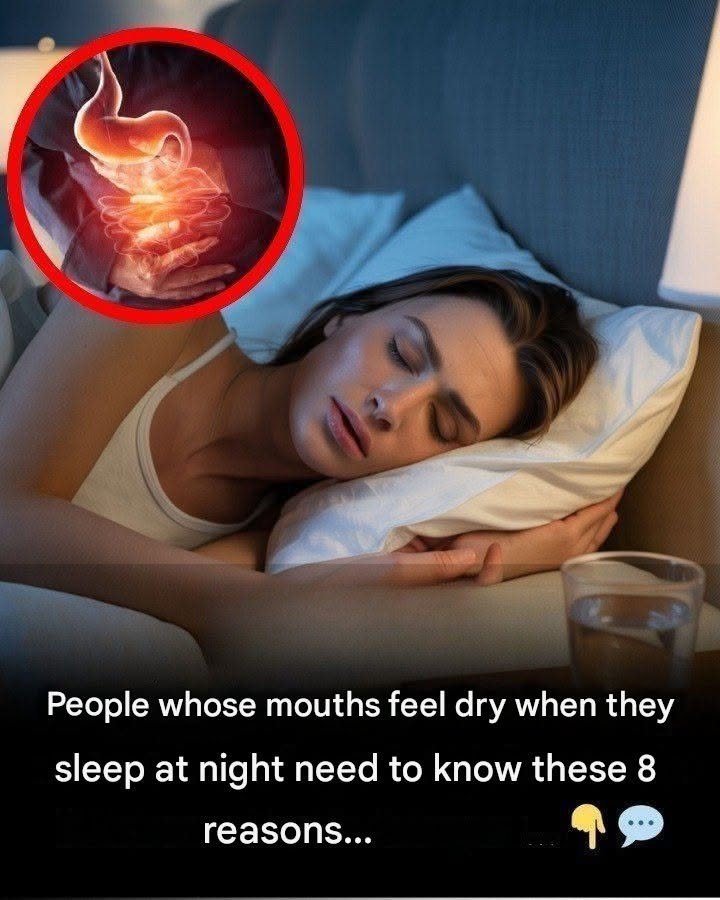
Dry Mouth While Sleeping? 8 Possible Reasons You Should Know
Hormonal changes and certain medical conditions may contribute to persistent dryness.
Some people notice changes in mouth moisture during menopause, although dry mouth is not experienced by everyone and should not automatically be attributed to hormonal changes.
Another possible cause is a condition called Sjögren’s disease, an autoimmune disorder in which the immune system attacks moisture-producing glands.
It commonly affects the salivary and tear glands.
Possible symptoms include:
Persistent dry mouth.
Difficulty swallowing dry foods.
A burning sensation in the mouth.
Dry or irritated eyes.
Needing water frequently while eating.
Increased dental cavities.
Swelling around the salivary glands.
Other conditions affecting the salivary glands, including inflammation, blockages, or previous radiation treatment involving the head and neck, can also reduce saliva production.
What Can Help?
If dryness affects both your mouth and eyes, or if you have persistent difficulty swallowing, speak with a healthcare professional.
A doctor may investigate autoimmune conditions, medication effects, and other possible causes.
Treatment depends on the underlying condition and may include saliva substitutes, medications that stimulate saliva production, and preventive dental care.
Why Is Saliva So Important?
Saliva is much more than water inside your mouth.
It contains substances that help protect teeth, maintain oral tissues, and support digestion.
Its main functions include:
Protecting teeth: Saliva helps neutralize acids produced by bacteria and supports the natural repair of tooth enamel.
Supporting digestion: Saliva moistens food and contains enzymes that begin breaking down certain carbohydrates.
Making swallowing easier: Moisture helps food move comfortably through the mouth and throat.
Protecting oral tissues: Saliva helps keep the tongue, gums, and other soft tissues moist.
Supporting taste: Dissolved substances in saliva interact with taste receptors, helping you experience different flavors.
When saliva production is reduced, the risk of cavities, gum problems, mouth infections, and difficulty swallowing may increase.
This is why persistent dry mouth deserves attention, even when the discomfort seems relatively minor.
Practical Ways to Relieve Dry Mouth at Night
If your symptoms are mild, several simple measures may help improve comfort.
Keep Water Nearby
A small glass of water beside your bed can help if you wake up feeling thirsty.
Take small sips rather than drinking a large quantity at once.
Maintain Good Oral Hygiene
Brush your teeth twice daily with fluoride toothpaste and clean between your teeth regularly.
Dry mouth increases the risk of tooth decay, making preventive dental care especially important.
Try Sugar-Free Gum During the Day
Chewing sugar-free gum can stimulate saliva production.
Products containing xylitol may be useful for some people, although excessive consumption can cause digestive discomfort.
Consider a Saliva Substitute
Over-the-counter saliva substitutes, moisturizing gels, and mouth sprays may help relieve dryness.
A pharmacist or dentist can help you choose an appropriate product.
Avoid Irritating Mouth Products
Alcohol-containing mouthwashes may worsen dryness.
Consider an alcohol-free mouthwash designed for people with dry mouth.
Improve Bedroom Conditions
Very dry indoor air may make mouth and throat discomfort more noticeable.
A clean humidifier may help some people, particularly during dry weather. It must be maintained properly to prevent the growth of mold and bacteria.
Reduce Evening Alcohol and Tobacco Use
Avoiding alcohol close to bedtime and stopping tobacco use can benefit both oral health and general health.
Address Persistent Nasal Blockage
If you cannot breathe comfortably through your nose, investigate the cause rather than simply accepting nighttime mouth breathing as normal.
When Should You Seek Medical Advice?
Occasional dry mouth is usually not an emergency.
However, you should arrange a medical or dental appointment if:
Your mouth feels dry almost every night.
Symptoms continue for several weeks.
You have difficulty swallowing or speaking.
You frequently develop mouth sores.
Your tongue feels persistently painful or irritated.
You experience repeated dental cavities.
You also have unusually dry eyes.
You have excessive thirst and frequent urination.
You suspect medication is causing the problem.
Seek urgent medical attention if dry mouth occurs alongside severe dehydration, confusion, fainting, or an inability to keep fluids down.
A healthcare professional can review your symptoms, medications, oral health, and medical history to identify the most likely cause.
Final Thoughts
Waking up with a dry mouth can be uncomfortable, but it does not automatically indicate a serious disease.
The eight possible causes include mouth breathing, dehydration, medication side effects, nasal congestion, snoring or sleep apnea, diabetes, alcohol or tobacco use, and hormonal or salivary gland conditions.
The most useful step is to look for patterns.
Does the dryness happen only after drinking alcohol? Does it occur when your nose is blocked? Did it begin after starting a new medication? Do you also experience loud snoring, excessive thirst, or dry eyes?
These details can help a healthcare professional determine what may be happening.
Remember that persistent dry mouth should not simply be ignored, especially when it affects sleep, swallowing, or dental health. Identifying the underlying cause is often the most effective way to find lasting relief.