Essential Minerals for Proper Organ Function and Overall Health
Vitamin D and Bone Health
Although vitamin D is technically a vitamin rather than a mineral, it deserves special attention when discussing bones.
Vitamin D helps the body absorb calcium and is necessary for normal bone mineralization. It also plays important roles in muscles, nerves, and the immune system. (ODS)
When vitamin D deficiency becomes significant, adults can develop a condition called osteomalacia. This can cause bone pain and muscle weakness.
This is one reason people sometimes associate leg or bone pain with vitamin D deficiency.
However, having pain in the legs does not prove that vitamin D is low.
Leg discomfort can also occur because of muscle strain, injuries, circulation problems, nerve problems, certain medications, electrolyte disturbances, and many other conditions.
If pain is persistent, severe, unexplained, or accompanied by weakness or other symptoms, it should be evaluated rather than automatically treated with supplements.
Magnesium: Important for Muscles and Nerves
Magnesium is another essential mineral that deserves attention.
It participates in hundreds of biochemical reactions throughout the body. It contributes to energy production, protein synthesis, muscle function, nerve function, blood glucose regulation, and normal heart rhythm. It also contributes to bone structure.
Foods rich in magnesium include:
Almonds
Cashews
Pumpkin seeds
Peanuts
Beans
Whole grains
Spinach and other leafy greens
Some fish
Dark chocolate
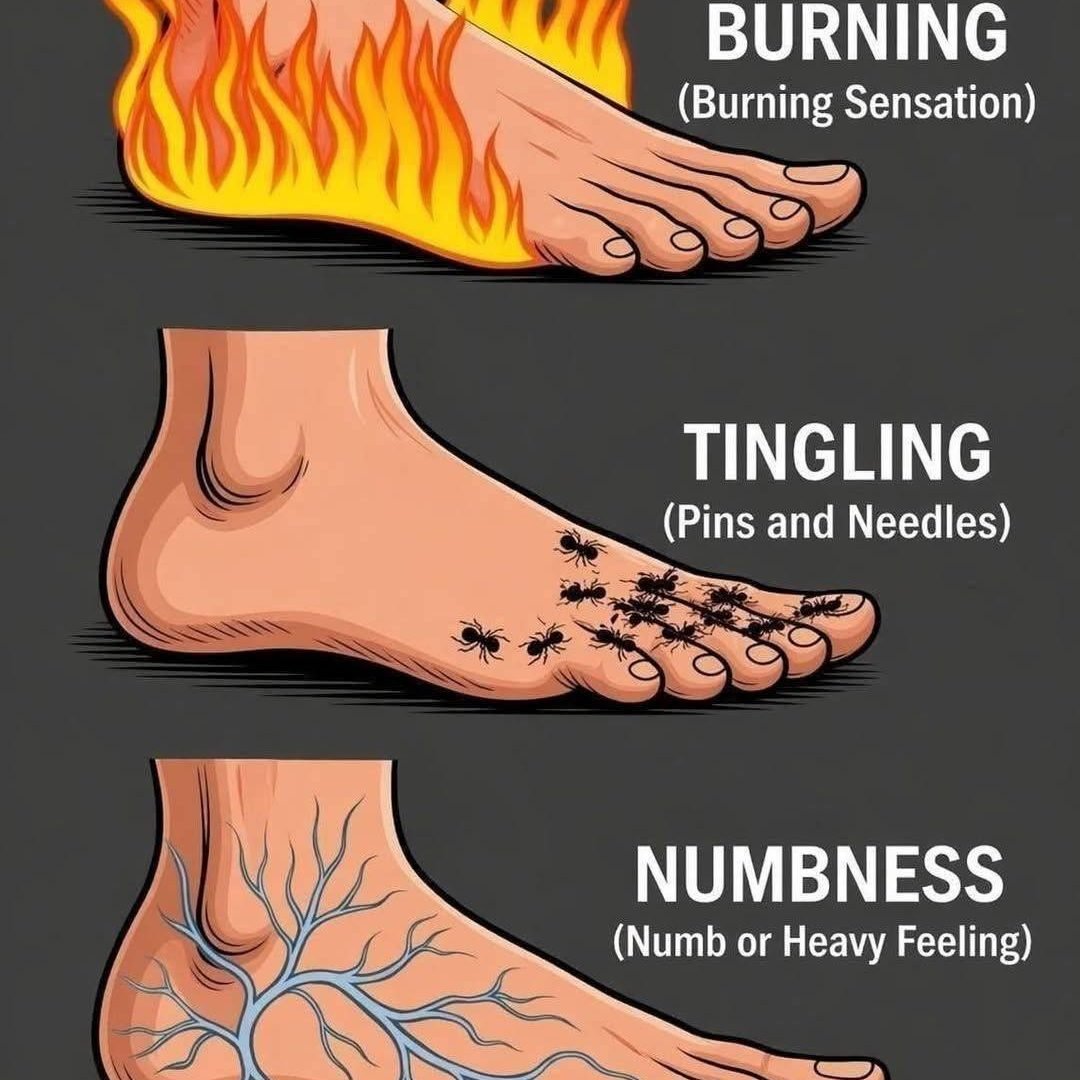
Severe magnesium deficiency can cause muscle contractions, cramps, weakness, numbness, tingling, and abnormal heart rhythms. However, symptomatic magnesium deficiency caused simply by low dietary intake is uncommon in otherwise healthy people because the kidneys help conserve magnesium.
That means taking magnesium supplements simply because you occasionally experience a muscle cramp is not necessarily the right solution.
Potassium: Supporting Muscles, Nerves, and Fluid Balance
Potassium is an electrolyte and mineral involved in many important processes.
It helps maintain normal fluid balance and participates in nerve signaling and muscle contraction. The heart also depends on appropriate potassium levels for normal electrical activity.
Good food sources include:
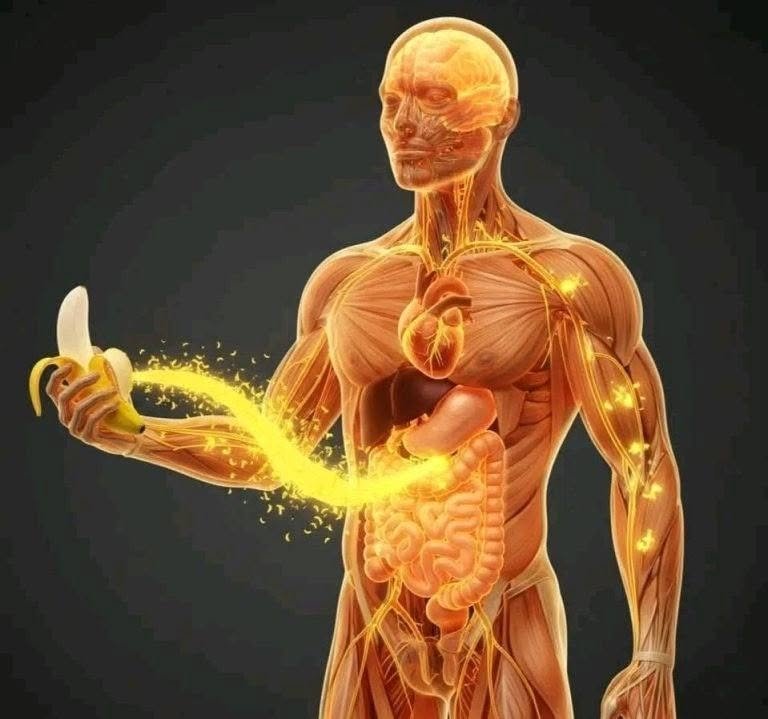
Bananas
Potatoes
Beans
Lentils
Avocados
Tomatoes
Spinach
Oranges
Yogurt
Other fruits and vegetables
Severe potassium deficiency can produce tiredness, muscle weakness, constipation, and abnormal heart rhythms. It can occur after prolonged vomiting or diarrhea, with certain medications, or under particular medical conditions.
However, potassium supplements should not be taken casually. People with kidney problems or those taking certain medications can have difficulty regulating potassium, and excessively high potassium can also be dangerous.
For most people, getting potassium from a varied diet is the preferred approach.
Iron: Important for Oxygen Transport
Iron is an essential mineral because it is required for hemoglobin, the protein in red blood cells that carries oxygen throughout the body.
When iron stores become too low, iron-deficiency anemia can develop. This can contribute to symptoms such as tiredness, weakness, reduced ability to exercise, and difficulty concentrating.
Iron-rich foods include:
Red meat
Poultry
Seafood
Lentils
Beans
Spinach
Fortified cereals
Nuts and seeds
Iron from animal foods is generally absorbed differently from iron found in plant foods.
It is important not to assume that tiredness automatically means iron deficiency. Too much iron can also be harmful, and high-dose iron supplements can cause gastrointestinal side effects such as nausea and constipation. (ODS)
If iron deficiency is suspected, medical testing can help determine whether supplementation is actually necessary.
Zinc: Supporting Immune Function and Cell Growth
Zinc is a trace mineral involved in many biological processes.
It contributes to immune function, wound healing, protein synthesis, DNA synthesis, cell division, and normal growth and development. (ODS)
Food sources include:
Oysters and other seafood
Meat
Poultry
Eggs
Dairy products
Beans
Nuts
Seeds
Whole grains
Because zinc is involved in immune function, it is sometimes marketed as a way to prevent every type of illness. Those claims should be approached carefully.
Zinc is important when the body needs it, but consuming excessive amounts does not necessarily provide additional benefits and can cause problems.
Selenium: A Small Amount With an Important Role
Selenium is required in very small quantities, but it contributes to important processes involving thyroid function, antioxidant defense, DNA production, and reproduction.
Good dietary sources can include seafood, meat, poultry, eggs, dairy products, and some nuts.
Because the body only needs a relatively small amount, taking large doses of selenium supplements is unnecessary for most people and can potentially be harmful.
This illustrates an important nutritional principle:
More does not always mean better.
The goal is adequate nutrition, not extremely high intake.
Iodine and Thyroid Function
Iodine is another trace mineral that plays an important role in thyroid hormone production.
Thyroid hormones influence metabolism, growth, and development.
Common dietary sources of iodine include:
Iodized salt
Seafood
Dairy products
Eggs
Both too little and too much iodine can interfere with thyroid function in susceptible people, so supplementation should be approached carefully.
Why a Balanced Diet Matters
It can be tempting to focus on one particular nutrient after seeing a social-media post claiming that a certain vitamin or mineral is responsible for a specific symptom.
Real nutrition is more complicated.
The body does not operate using isolated nutrients. Vitamins, minerals, proteins, carbohydrates, fats, water, and other dietary components work together.
For example, vitamin D helps the body absorb calcium. Magnesium participates in processes involving calcium and potassium. Iron is necessary for oxygen transport. Zinc participates in cellular metabolism and immune function.
This interconnectedness is why eating a wide variety of nutritious foods is generally more useful than focusing on one “miracle” nutrient.
Foods That Provide Multiple Minerals
You do not necessarily need expensive supplements to obtain important minerals.
Many ordinary foods provide several nutrients at the same time.
Leafy Greens
Spinach, kale, and other leafy vegetables can contribute magnesium, calcium, potassium, and other nutrients.
Nuts and Seeds
Almonds, pumpkin seeds, sunflower seeds, and similar foods provide magnesium, zinc, and other minerals.
Beans and Lentils
Legumes provide minerals along with protein and dietary fiber.
Dairy Products
Milk, yogurt, and cheese can provide calcium, phosphorus, potassium, and other nutrients.
Seafood
Fish and shellfish can provide protein along with minerals such as selenium, iodine, zinc, and iron depending on the type.
Eggs
Eggs provide protein and several vitamins and minerals.
Fruits and Vegetables
A variety of fruits and vegetables contributes potassium, magnesium, and numerous other nutrients.
What About Cloves?
The image features cloves, which are aromatic flower buds commonly used as a culinary spice.
Cloves contain various plant compounds and can be included in a balanced diet as a spice. However, cloves should not be treated as a replacement for a nutrient-rich diet or as a guaranteed treatment for leg or bone pain.
The amount of a particular nutrient obtained from a small amount of a spice may also be quite different from the amount provided by foods specifically rich in that nutrient.
Using cloves in cooking or tea can be enjoyable, but it is important not to assume that a social-media recipe can correct a confirmed nutritional deficiency.
Should You Take a Multivitamin or Mineral Supplement?
Not everyone needs supplements.
Supplements can be useful when someone has a documented deficiency, has difficulty obtaining certain nutrients through food, has a medical condition that affects absorption, or has another specific nutritional need.
But taking several supplements at once without knowing whether you need them can create unnecessary risks.
Some nutrients can interact with medications, while excessive amounts of certain vitamins and minerals can cause harmful effects.
Vitamin D is a good example. Although it is essential, excessive supplemental vitamin D can cause abnormally high calcium levels and, in severe cases, kidney problems and other serious complications. (ODS)
When Leg or Bone Pain Should Be Checked
Occasional muscle soreness after physical activity is different from unexplained or persistent pain.
If you experience recurring bone pain, significant muscle weakness, persistent cramps, numbness, swelling, difficulty walking, or pain that does not improve, it is worth discussing the symptoms with a healthcare professional.
Depending on the situation, a clinician may consider your diet, medications, medical history, physical activity, and other possible causes. Blood tests can sometimes be used to check specific nutrient levels.
For example, vitamin D status can be assessed using a blood test measuring 25-hydroxyvitamin D. (ODS)
That is much more reliable than guessing which vitamin you lack based only on a symptom.
The Bottom Line
Minerals are essential for keeping the body’s systems working properly. Calcium supports bones and teeth, magnesium participates in muscle and nerve function, potassium helps regulate fluid balance and supports nerve and muscle activity, iron is essential for oxygen transport, and zinc contributes to immune function, healing, and cellular processes.
Vitamin D is also particularly important for bone health because it helps the body absorb calcium. A significant deficiency can cause bone pain and muscle weakness in adults. (ODS)
But leg pain does not automatically mean that you are deficient in vitamin D, and it is not possible to determine a specific deficiency from a photograph or a single symptom.
The best long-term strategy is to build meals around a variety of nutritious foods: vegetables, fruits, whole grains, legumes, nuts, seeds, dairy or suitable alternatives, eggs, fish, and other protein-rich foods.
If you suspect a vitamin or mineral deficiency, especially when symptoms are persistent, testing and professional advice can help identify what is actually happening instead of relying on a single supplement or home remedy.
A healthy body needs many nutrients working together—not one miracle vitamin.