High Blood Pressure, High Cholesterol: 3 Morning Habits to Avoid
Having high blood pressure or high cholesterol does not always produce obvious symptoms. A person can feel completely normal while these conditions gradually increase the strain placed on the heart and blood vessels.
That is why everyday habits matter.
The morning can be an especially useful time to establish healthier routines. What you eat, drink, and do after waking can influence your overall diet, blood pressure, blood sugar, physical activity, and long-term cardiovascular health.
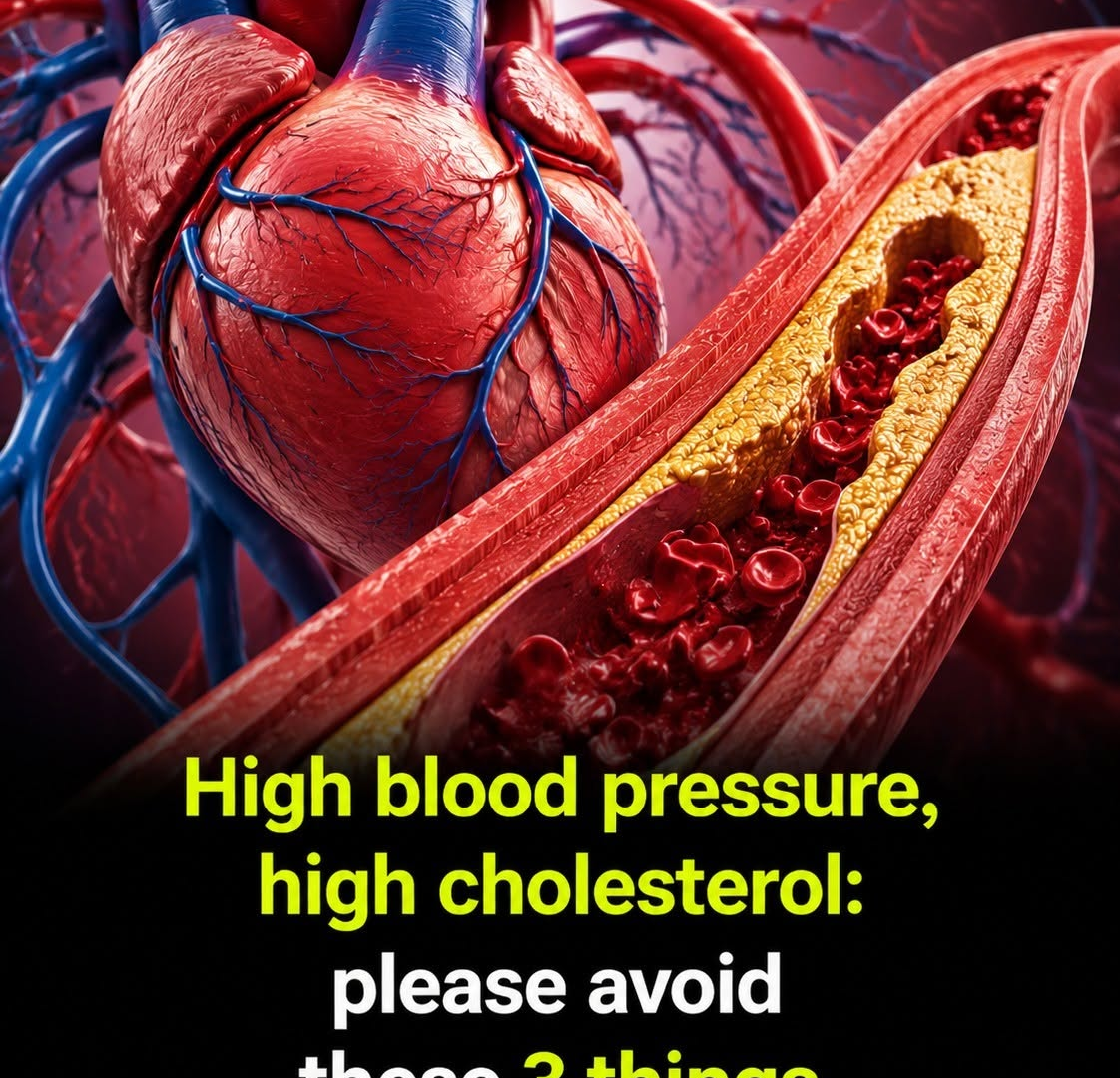
A viral image may suggest that people with high blood pressure and high cholesterol should avoid three specific morning habits. However, there isn’t one universal list that applies identically to everyone.
Instead, there are several morning habits worth limiting because they can work against cardiovascular health.
1. Starting the Day With a High-Salt, Highly Processed Breakfast
One of the biggest problems with many convenient breakfast foods is their sodium content.
Foods such as processed meats, salty cheeses, packaged breakfast sandwiches, instant noodles, processed pastries, and other highly processed foods can contribute significant amounts of sodium to the diet.
For people with high blood pressure, regularly consuming too much sodium can make blood-pressure management more difficult.
Why Does Sodium Matter?
Sodium helps the body maintain fluid and nerve function, but excessive sodium intake can cause the body to retain more fluid.
For some people, this contributes to higher blood pressure.
The effect isn’t identical in everyone. Some people are more sensitive to sodium than others, but reducing excessive sodium intake is an important part of managing blood pressure for many people.
This doesn’t mean you need to eliminate every food containing sodium.
The goal is to avoid consistently consuming large amounts, particularly from heavily processed foods.
Better Breakfast Choices
Instead of starting the morning with a heavily processed, salty meal, consider foods such as:
Oatmeal
Unsweetened whole-grain cereal
Fresh fruit
Plain yogurt
Eggs prepared with limited added salt
Unsalted or lightly salted nuts
Beans
Whole-grain toast
Fresh vegetables
You can add flavor with herbs, spices, garlic, onion, lemon, or other ingredients instead of relying heavily on salt.
2. Drinking Sugary Beverages or Eating a Very Sugary Breakfast
Another morning habit worth reconsidering is starting the day with a large amount of added sugar.
Some common examples include:
Sugary breakfast cereals
Sweet pastries
Doughnuts
Sweetened coffee drinks
Flavored drinks
Soft drinks
Sweetened juices
Large amounts of syrup or sugar added to breakfast foods
Eating these foods occasionally doesn’t automatically cause high cholesterol or high blood pressure.
The bigger concern is a repeated dietary pattern that provides large amounts of added sugar while offering relatively little fiber, protein, or nutritional value.
What Does Sugar Have to Do With Cholesterol?
Cholesterol isn’t simply determined by how much cholesterol you eat.
Your overall diet and metabolism matter.
Diets high in refined carbohydrates and added sugars can contribute to excess calorie intake, weight gain, and unfavorable blood lipid patterns in some people.
Some people with high triglycerides, for example, may benefit significantly from reducing excessive added sugar and refined carbohydrates.
This is one reason a breakfast based heavily on sweetened foods isn’t an ideal everyday habit.
A Better Morning Drink
Water is a simple choice.
Unsweetened tea or coffee can also fit into a healthy diet for many people.
If you drink coffee, be careful with what you add to it. A large coffee containing substantial amounts of sugar, flavored syrup, and high-fat cream can turn an otherwise relatively low-calorie drink into a significant source of calories and added sugar.
You don’t necessarily need to stop drinking coffee.
The issue is often what is added to it and how much you consume.
3. Smoking Soon After Waking Up
For cardiovascular health, smoking is one of the most important habits to avoid—not only in the morning but throughout the day.
Tobacco smoke contains substances that can damage blood vessels and increase cardiovascular risk.
Smoking can also contribute to changes in blood pressure and heart rate and is strongly associated with cardiovascular disease.
For someone who already has high blood pressure or high cholesterol, continuing to smoke adds another major cardiovascular risk factor.
What About Vaping?
Switching from cigarettes to another nicotine product does not make nicotine exposure completely harmless.
Different products have different risk profiles, and some adults use alternatives as part of an effort to stop smoking.
However, people shouldn’t assume that vaping or another nicotine product is harmless for the cardiovascular system.
If you smoke, quitting is one of the most meaningful changes you can make for your long-term health.
Don’t Forget About Your Prescribed Medication
There is another morning habit that deserves special attention:
Skipping prescribed medication because you feel fine.
High blood pressure and high cholesterol can exist without obvious symptoms.
That means feeling normal does not necessarily mean that your blood pressure or cholesterol has returned to a healthy level.
If your healthcare professional has prescribed medication, take it according to the instructions you were given.
Don’t stop a medication simply because your blood pressure reading improves.
And don’t double a dose because you accidentally forgot one unless your healthcare professional or medication instructions specifically tell you to do so.
Different medicines have different rules for missed doses.
What About Coffee?
Coffee is often included in viral warnings about high blood pressure.