High Blood Pressure and High Cholesterol: 3 Morning Habits You Should Avoid
Why Breakfast Quality Matters
A healthy breakfast isn’t a treatment for high blood pressure or high cholesterol by itself.
However, your morning meal can set the tone for the rest of the day.
If breakfast is consistently high in sodium, added sugar, and saturated fat, it may be harder to maintain an overall heart-healthy diet.
On the other hand, choosing foods rich in fiber, vegetables, fruits, whole grains, and appropriate sources of protein can make it easier to maintain good nutritional habits throughout the day.
Think about the pattern rather than one individual meal.
What About Eggs?
Eggs are sometimes unnecessarily feared by people concerned about cholesterol.
Eggs can be part of a balanced diet for many people.
The overall dietary pattern is important, including the amount of saturated fat and highly processed foods consumed.
An egg with vegetables and whole-grain toast is very different from a breakfast consisting of eggs alongside large amounts of processed meat, butter, and other high-saturated-fat foods.
If you have been diagnosed with high cholesterol, your individual dietary needs may depend on your cholesterol levels, medical history, medications, and other cardiovascular risk factors.
Don’t Forget Fiber
Fiber is particularly useful when building a heart-conscious diet.
Foods rich in soluble fiber can help support healthy cholesterol levels as part of an overall healthy eating pattern.
Good choices include:
Oats
Barley
Beans
Lentils
Apples
Pears
Berries
Vegetables
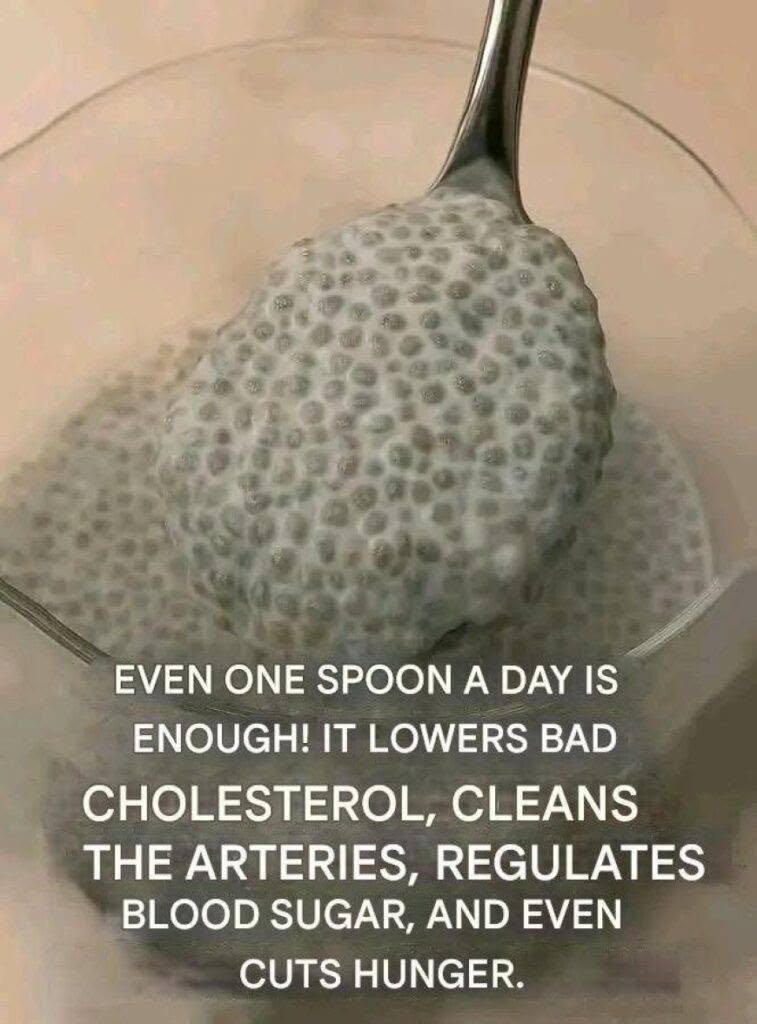
Chia seeds
Flaxseeds
Adding these foods to breakfast can be a simple way to increase your daily fiber intake.
If you’re not accustomed to eating much fiber, increase it gradually and drink enough fluids to reduce the chance of digestive discomfort.
The Bigger Picture Matters Most
Having high blood pressure or high cholesterol isn’t usually caused by one bad breakfast.
Likewise, one healthy breakfast won’t completely correct these conditions.
Your cardiovascular health is influenced by many factors, including:
Genetics
Diet
Physical activity
Body weight
Smoking
Alcohol intake
Sleep
Stress
Blood sugar
Blood pressure
Cholesterol levels
Age
Existing medical conditions
This is why it’s better to focus on sustainable habits rather than searching for a single “miracle” food or morning trick.
A Simple Morning Checklist
If you’re trying to improve your cardiovascular habits, consider this simple routine:
Wake up: Give yourself enough time so you aren’t rushing.
Hydrate: Drink water according to your normal needs.
Breakfast: Choose a meal containing fiber and a nutritious source of protein.
Limit excess sodium: Be cautious with heavily processed and salty foods.
Reduce added sugar: Especially in drinks and highly processed breakfast foods.
Move: Take a walk or incorporate some physical activity into your morning.
Medication: If you have prescribed medication, take it according to your healthcare professional’s instructions.
Monitor: If you regularly check your blood pressure, measure it under consistent conditions.
These habits don’t need to be perfect.
The goal is consistency.
The Bottom Line
If you have high blood pressure or high cholesterol, three morning habits are particularly worth reconsidering: starting the day with a very salty breakfast, regularly consuming large amounts of added sugar and highly processed foods, and remaining inactive for hours after waking.
Instead, build your morning around nutritious foods, adequate hydration, regular movement, and the treatment plan recommended for you.
You don’t need an extreme diet or complicated routine.
Small choices repeated every morning can become part of a healthier lifestyle—and when combined with appropriate medical care, regular physical activity, and a balanced diet, they can support better cardiovascular health over the long term.