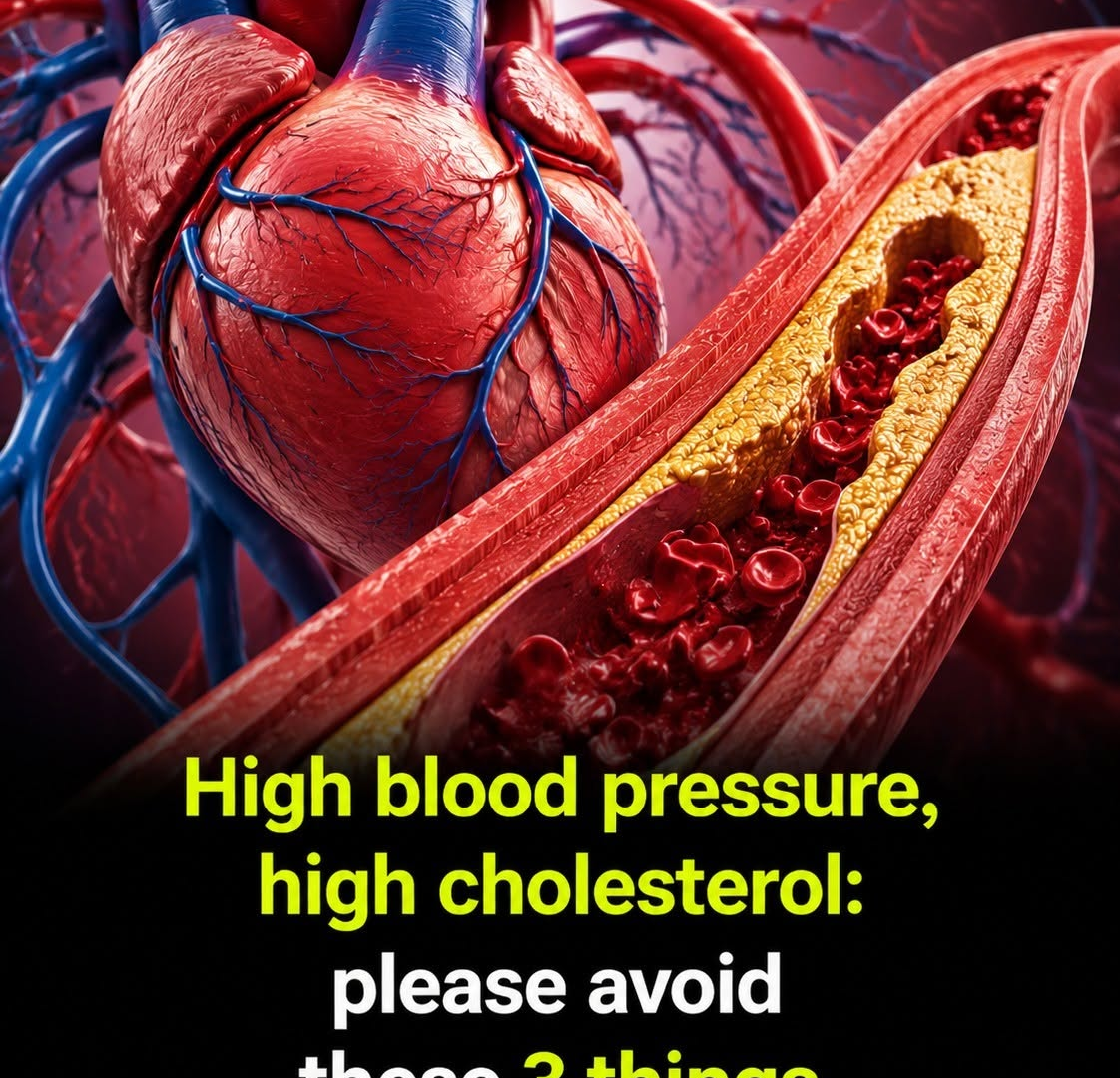
High Blood Pressure, High Cholesterol: 3 Morning Habits to Avoid
Depending on your health and physical ability, you might:
Take a walk
Stretch
Do light exercises
Ride a bicycle
Perform household activities
Follow a suitable exercise program
Regular physical activity can support cardiovascular health, weight management, blood pressure control, and cholesterol management.
If you have a medical condition or haven’t exercised for a long time, start at an appropriate level and seek professional advice if necessary.
Don’t Sit for Hours After Waking
Another overlooked habit is starting the day with prolonged inactivity.
For example, someone might wake up, eat a highly processed breakfast, sit with their phone for several hours, and barely move until lunchtime.
That isn’t ideal for cardiovascular health.
You don’t need to exercise continuously.
Breaking up long periods of sitting with short periods of movement can be a practical improvement.
Even simple activities such as walking around the house or taking a short walk outside can add movement to your day.
Stress Can Affect Blood Pressure
Morning stress can also matter.
Rushing out of bed, immediately checking stressful messages, arguing, worrying about work, or starting the day in a constant state of tension can make mornings unpleasant.
Stress can temporarily increase blood pressure.
That doesn’t mean stress alone causes chronic hypertension, but learning to manage stress can be useful for overall health.
A calmer morning might include:
Preparing things the night before
Getting enough sleep
Eating breakfast without rushing
Taking a short walk
Practicing slow breathing
Limiting unnecessary morning screen time
These habits don’t replace medical treatment, but they can contribute to a healthier routine.
Sleep Is Part of Blood Pressure Management
A healthy morning actually begins the night before.
Poor or insufficient sleep is associated with cardiovascular problems and can make healthy eating and exercise more difficult.
If you regularly wake up exhausted despite getting what should be enough sleep, or if you snore heavily or experience interrupted breathing during sleep, discussing the problem with a healthcare professional may be worthwhile.
A consistent sleep schedule can also help establish a more stable daily routine.
Monitor Your Blood Pressure Correctly
If you have hypertension, measuring your blood pressure at home can provide useful information when done correctly.
Don’t immediately assume that one unusual reading represents your normal blood pressure.
Before taking a reading, sit quietly for several minutes.
Use an appropriately sized cuff.
Keep your arm supported.
Avoid talking during the measurement.
If your healthcare professional has asked you to monitor your blood pressure, follow the specific schedule they recommended.
Keeping a record can help identify patterns.
Don’t Panic Over One High Reading
Blood pressure naturally changes throughout the day.
Exercise, stress, caffeine, nicotine, pain, and other factors can temporarily influence readings.
One elevated reading doesn’t necessarily mean that your treatment has failed.
However, repeatedly high readings deserve attention.
If your readings are consistently above the range recommended by your healthcare professional, discuss them with that professional rather than changing medication on your own.
What About Cholesterol?
Unlike blood pressure, cholesterol isn’t something you can reliably determine from how you feel.
A person can have elevated LDL cholesterol and feel completely healthy.
That’s why blood testing is important when cholesterol needs to be assessed.
A healthy-looking breakfast doesn’t prove that cholesterol is under control.
Likewise, feeling energetic in the morning doesn’t tell you whether your arteries are healthy.
The Three Habits to Focus On
If you want to simplify the message from the viral image, focus on these three broad habits:
1. Avoid a Breakfast Dominated by Salt and Highly Processed Foods
Choose more whole or minimally processed foods and moderate your sodium intake.
2. Avoid Making Added Sugar the Main Part of Your Morning
If you smoke, consider getting professional support to quit.
These aren’t magic rules, but they address important aspects of cardiovascular health.
The Bigger Picture Matters More Than One Morning
One breakfast won’t determine your cholesterol.
One salty meal won’t automatically cause hypertension.
One day without exercise won’t destroy your cardiovascular health.
What matters most is what you do repeatedly.
A healthy lifestyle is built from dozens of small decisions made over weeks, months, and years.
That includes:
Eating a balanced diet
Limiting excessive sodium
Reducing added sugars
Eating enough fiber
Maintaining a healthy weight when appropriate
Being physically active
Avoiding tobacco
Getting adequate sleep
Managing stress
Taking prescribed medications correctly
Monitoring blood pressure when recommended
Checking cholesterol as advised
Final Thoughts
If you have high blood pressure or high cholesterol, you don’t need to be frightened by every food or drink mentioned in a viral health post.
Instead, focus on the habits that have meaningful effects over time.
A breakfast high in processed foods and sodium isn’t ideal for blood-pressure management. A morning dominated by sugary foods and drinks can make a healthy diet more difficult. Smoking adds significant cardiovascular risk and is especially important to address when other cardiovascular risk factors are already present.
At the same time, don’t make the mistake of thinking that one “perfect” breakfast can reverse high blood pressure or cholesterol.
These conditions require a broader approach.
Eat more whole, fiber-rich foods, moderate sodium and added sugar, stay active, avoid tobacco, take prescribed treatment correctly, and monitor your health regularly.
And if you have been diagnosed with high blood pressure or high cholesterol, don’t stop or change your medication because of something you saw online. Your treatment should be based on your individual health, test results, and advice from your healthcare professional.